Forests and role in better water
Recent problems in the main treatment plant for Dublin and surrounding areas highlighted the sort of difficulties that can arise. Our public supplies, on which more than 80% of the population depends, are treated with chemicals to purify water.
Providing 1.6 billion litres of drinkable water for the country each day is extremely expensive. In some private rural schemes, often sourced from wells, water has been found to be contaminated with human and animal waste, but the overall quality of water in public schemes is of a high standard, we’re assured by the authorities.
In the US, they’re looking at the use of forests and other natural means to secure clean water, with spin-off benefits for wildlife and natural habitat. Just like here, treatment plants in the US are aging and demand is increasing. Weather is another challenging factor, with extremes of prolonged periods of either drought or rain. New, low-cost techniques for ensuring clean supplies are needed.
A group of US water experts has released new guidance — under the aegis of the World Resources Institute — for water services managers, which builds on several initiatives where money is being saved by investing in natural infrastructure.
Forests, wetlands, and floodplains can be used to complement traditional treatment systems to reduce water management costs and ensure quality.
“Natural infrastructure, with its capacity to absorb rainfall and filter out pollutants and sediment, while providing natural amenities for ratepayers and citizens, is an effective approach to reducing treatment costs and deferring, if not avoiding, significant capital investments over time,” says Tracy Mehan, former US EPA Assistant Administrator for Water.
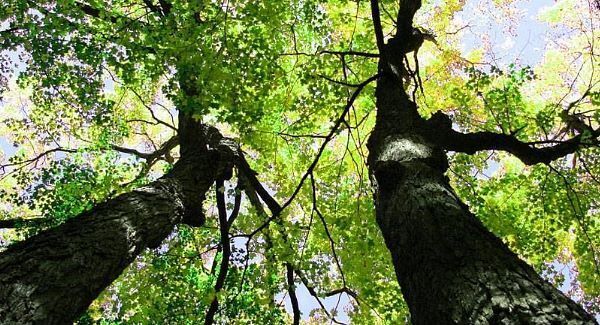
Forests and other ecosystems have advantages in regard to water. Multiple layers of vegetation help to slow falling rain and reduce its erosive force. Forests also promote infiltration of water into the soil, minimising flooding and allowing for nutrient uptake by vegetation and soil.
New ‘’natural’’ systems of treating water could be trialed here, especially on smaller schemes. But, an official Irish mindset which favours traditional treatment systems must first be changed. One thing is sure — people will be much more demanding regarding the quality and reliability of their supplies.


CONNECT WITH US TODAY



Be the first to know the latest news and updates