Gareth O'Callaghan: Shane Ross book charts decades of RTÉ controversy and dysfunction
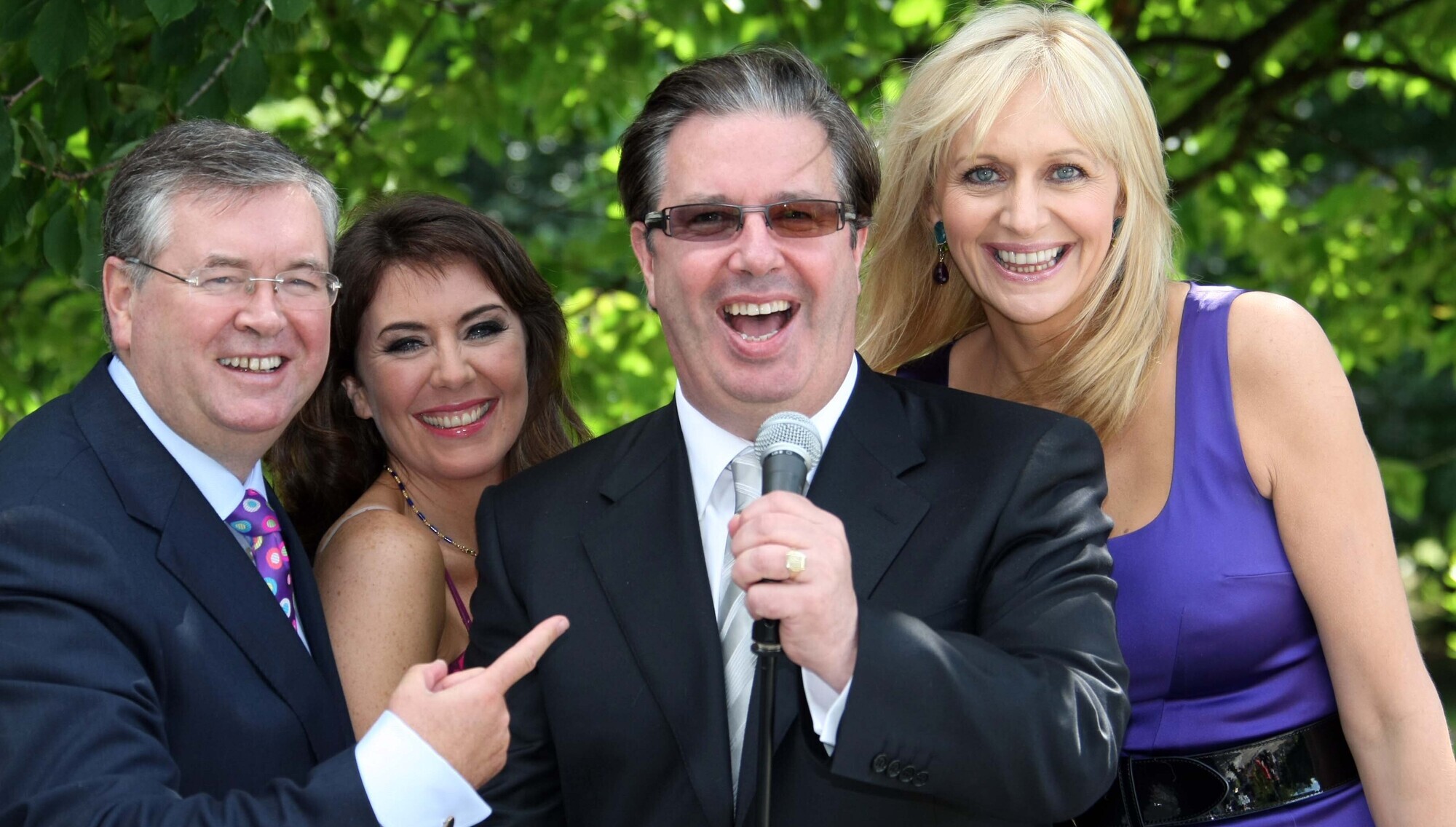
Joe Duffy, Eibhlín Ní Chongaile, Gerry Ryan and Miriam O'Callaghan at the launch of the RTÉ Radio Schedule for autumn 2009. Picture: Colin Keegan/ Collins
Ní neart go cur le chéile is a famous Irish phrase which means there is no strength without unity. It’s a thread that runs through Shane Ross’ new book . Disunity is at the heart of RTÉ’s turbulent history and financial woes.
On March 7, 2023, RTÉ’s director general Dee Forbes was no doubt counting down the days to her retirement. She had exactly 18 weeks left before she walked out of her office for the last time. She would leave with her full term completed, her head held high, albeit without any major achievements to crow about.
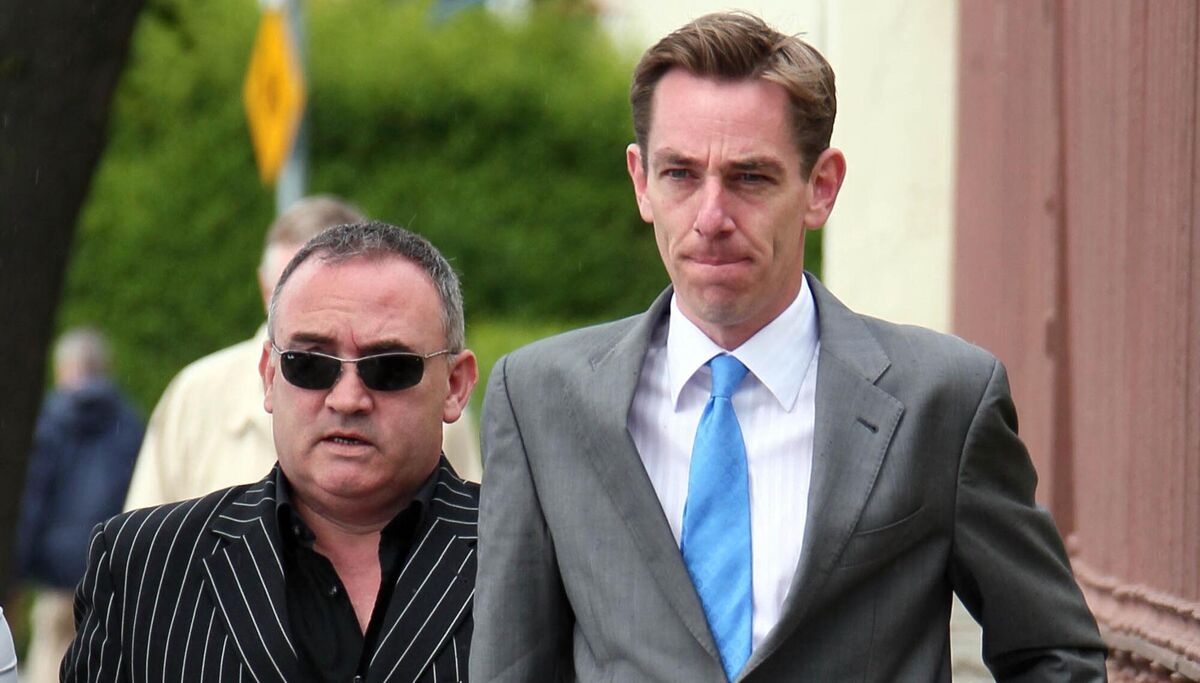
That same day, chief financial officer Richard Collins had just been contacted by auditors Deloitte, who were in the middle of a routine audit. They had questions about two puzzling invoices paid through a mysterious ‘barter’ account, issued by a UK company called Century Merchandise Services, relating to two payments — one in 2021, the other in 2022 — totalling €150,000. The company was owned by Noel Kelly, Ryan Tubridy’s agent.
Collins contacted Forbes. The payments, she said, were for consultancy by Kelly for advice on how RTÉ should reconfigure in the aftermath of covid. That wasn’t true. She revised her story and admitted the payments were made to Kelly to fulfil what would become the infamous Renault deal.
Read More
Nine days after Collins spoke with Deloitte in relation to the hidden payments to Kelly, Tubridy sensationally announced he was stepping down as presenter of — a decision he later claimed was in no way linked to the scandal that was coming down the line at full speed. The die was cast.
Most of us are done with the scandal by now, so I was curious as to its contents when I started reading Ross’s book this week, considering the main player, Dee Forbes, vanished within hours of her resignation on June 26, 2023. In her absence, the jigsaw remains largely unfinished.
The book, which its author admits started out as “the story of a single scandal, but finished as the tale of scores of skeletons”, is an excellent read. Its thriller-like prose is pacy, its subjects are well-researched. Pages detailing bizarre governance and political interference leave you wanting more.
In the station’s chequered history of blind spots, the Tubridy storm was far from a one-off deviation, in as much as RTÉ’s ignorance to detail over the years is breathtaking.
For those of us who were reared on RTÉ, the story reveals a flawed hubris over decades. Individuals overestimated their abilities and abused their positions while ignoring warnings and inevitably walking blind into scandals that took years to come to the boil.
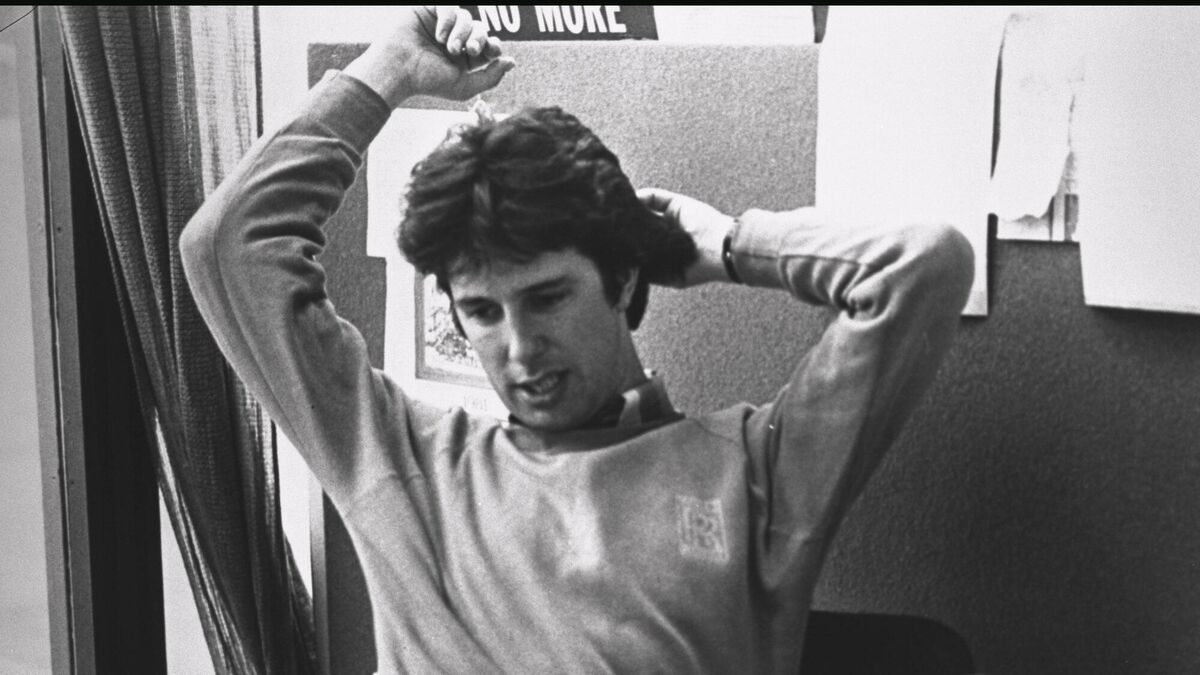
On April 30, 2010, Gerry Ryan never showed up for work. He was normally at his desk by 7.45 each morning. As the clock ticked closer to showtime, he wasn’t answering urgent calls from his team. Eventually, his partner, Melanie Verwoerd, with the help of two builders, managed to break the lock on his front door on Dublin’s Upper Leeson Street. His body was found on the floor beside his bed.
In December that year, an inquest heard his death was due to heart failure. Traces of cocaine found in his system were the likely “trigger”. It was well known Gerry enjoyed an extravagant lifestyle. He spoke on air about his penchant for expensive brandy. What he never talked about was his fondness for cocaine. The dogs in the street were aware of his addiction.
“Of course, it is crystal clear that the word was out on the ground in RTÉ that Gerry had a drug problem, an alcohol challenge, serious debts, and a personal life in turmoil,” writes Ross.
Ryan was media royalty. He was monitored everywhere he went. As for his drinking, one of his producer’s tells the author, his “alcohol level was off the charts. I confronted him about drinking double whiskies at 11 in the morning.”
Where was RTÉ during all this? Addiction doesn’t just happen overnight, and it’s impossible to keep the lid on it when you work for a media giant that employed 1,853 people in 2010. Office doors at the highest levels slammed shut in the aftermath.
As a corporate entity, RTÉ treated the inquest’s findings, and more important “the desperate situation of one of its most important sons”, with callous disregard.
“Why in the name of humanity did RTÉ not reach out to one of its staff in trouble?” Ross asks. His question is nothing short of damning.
Perhaps RTÉ’s resistance to offer support was because of its own deep malaise. The station rarely aired its dirty laundry. In keeping with its social missteps over the years, it simply looked the other way, hoping the public would forget.
For years, Gerry's anniversary was recalled on the station with tributes and stories, but the elephant in the room was intensively avoided.
To work for RTÉ was (and still is) a much valued status to have on your CV. What you did during your time there didn’t matter. To many onlookers, you’d made it once you got your foot in the door. The clout of the station was incredible, and its modus operandi for many years was never questioned by those buying their television licences.
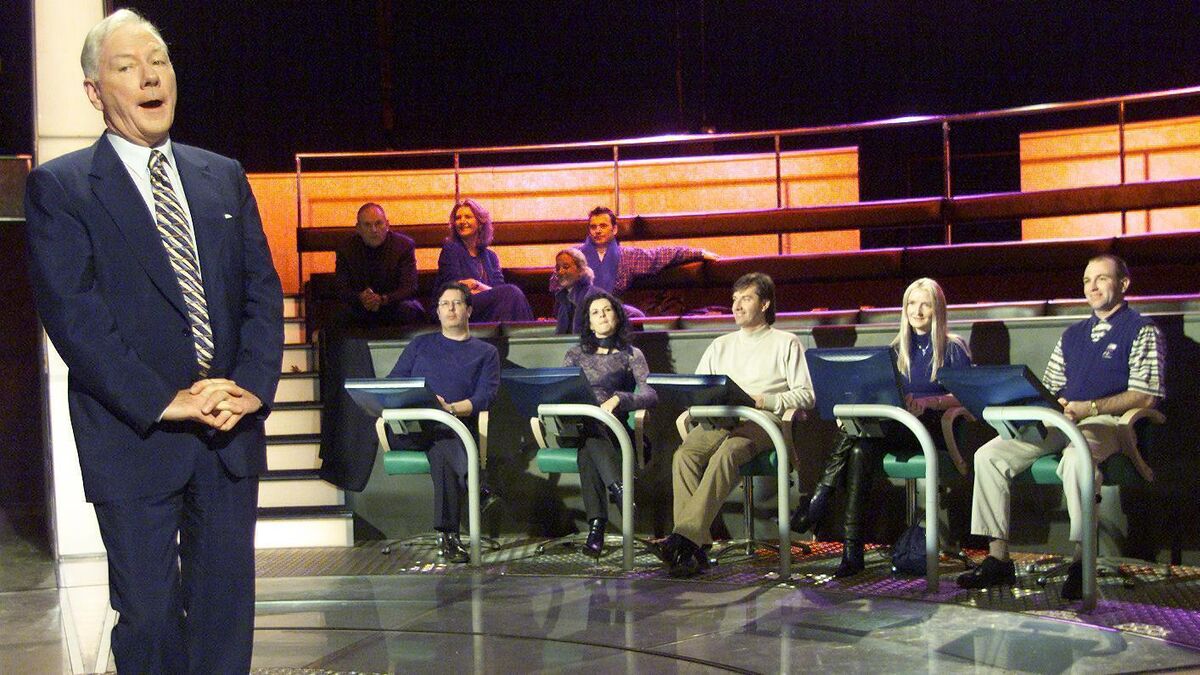
Years before Gerry Ryan and Ryan Tubridy, RTÉ’s success was accelerated beyond its wildest dreams by one man. He was Gay Byrne. As his ratings on both radio and television climbed to dizzying heights, so did his hunger for power and fame.
Despite all the good he’s famous for, it was no secret within RTÉ that he was his own boss. No one dared to challenge him.
His affection for another ‘boss’, Charles Haughey, is one of the intriguing insights in the book. Some of his private letters to CJ are laid bare in all their fawning. For a man who was the voice of the underdog, his obsequious behaviour towards Haughey reads nauseously.
In a letter from February 1992, Gay describes his sadness that Haughey has been forced out of power and how sorry both he and Kathleen are that he is going, that the reason for his departure “seems to me to be all wrong. But then, when enough Lilliputians start heaving on the ropes…” — Lilliputians being the small narrow-minded people who, Gay claims, felled Haughey the giant.
This was the Gay Byrne loved by a generation, cosying up to the man who accused us all of living way beyond our means. Their hunger for power was what their egos had in common.
Gay Byrne was self-made, just as Gerry Ryan and Ryan Tubridy were. But, unlike now, there was little if any accountability back in Haughey’s days. As Ross states, through his years as RTÉ’s greatest broadcaster, Byrne believed “balance and objectivity were for the little broadcasters”.
That effrontery didn’t hold sway in 2023, much as those at the centre of the payment scandal might like to think it did. Enormous risks were being taken; and because of the disconnect among the executive board members and those on the RTÉ board, no one shouted stop.
Would the scandal have happened if Kevin Bakhurst had been chosen as director general in 2016 instead of Forbes? Judging by his take-no-prisoners approach to rebuilding the station since 2023, it’s unlikely. His successor in 2028 will tell a lot about the effects of sweeping changes he is currently introducing.
What saved RTÉ in 2023 after its outrageous governance became its own news headlines was the loyal staff who weren’t afraid to put it up to those they no longer trusted and publicly denounced for what had happened, thus keeping the ship afloat and the audience on board.
As the author says, they were the ones “who retained the trust of the Irish people while their bosses lost it”. Could there be another RTÉ scandal? It’s not so much a matter of if, as when.

CONNECT WITH US TODAY



Be the first to know the latest news and updates