Waterford family deaths: Gardaí still investigating 'other avenues' even after two charged

Garda Commissioner Justin Kelly told the PCSA there were similar arson attacks around Ireland on the two days after the attack on the English family's home, adding that it was 'unfathomable that even a terrible tragedy like this did not put people off.' Picture: PA
Gardaí are working on “other avenues” in the case of a Waterford family murdered in a house fire, even after two people have been charged in connection with their deaths.
Garda Commissioner Justin Kelly said that full resources are still allocated to the investigation, and it is not over.
“This is not the end of this. This is ongoing. There are other avenues that we are working on,” Mr Kelly told a public meeting of the Policing and Community Safety Authority (PCSA) today, Thursday.
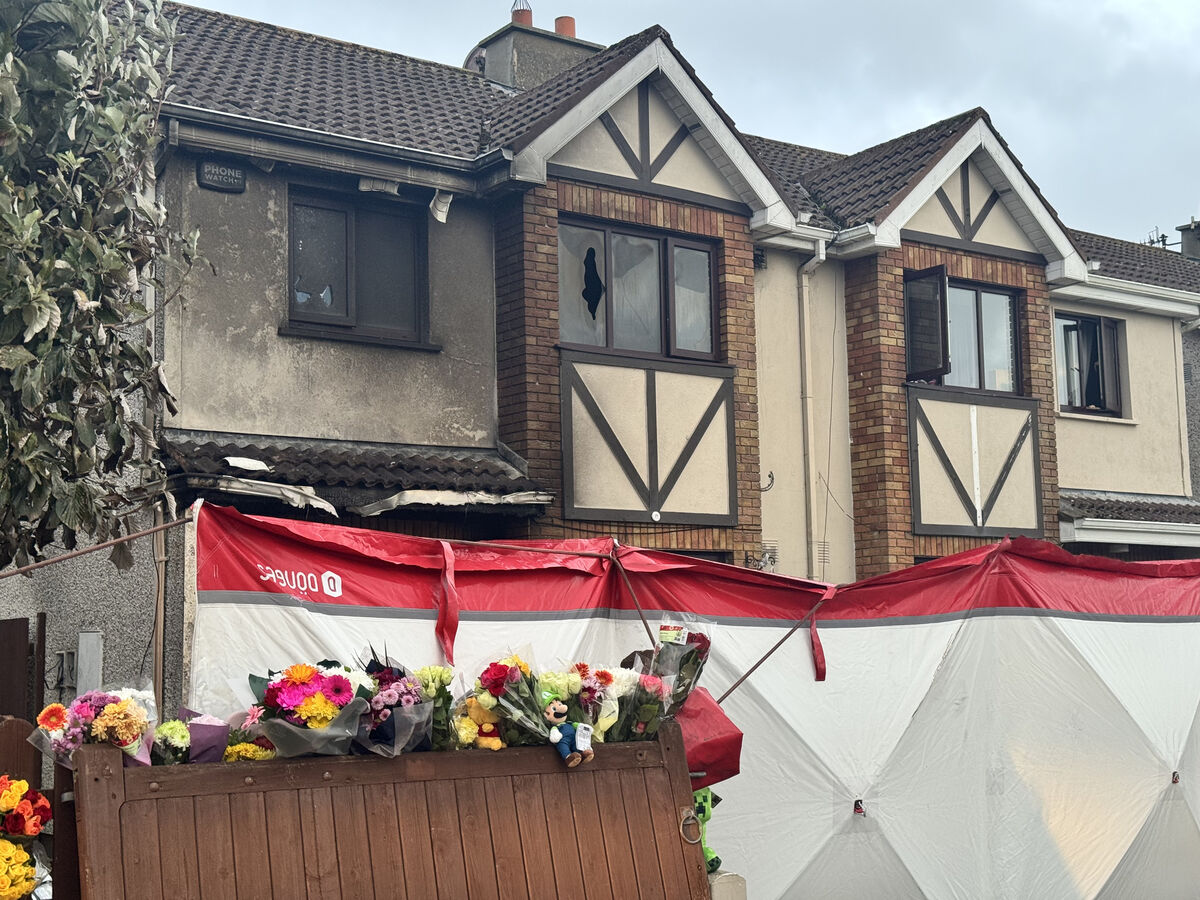
Philip and Kim English, and their children Callum, 12, and Jayden, 9, were killed in an arson attack at their home on October 13. Two other children — a girl, 14, and a boy, 6 — were critically injured.
A man and a woman have been charged with one count of criminal damage and two counts of assault causing serious harm, and there have been multiple additional arrests.
It is suspected that the family was targeted over a €20,000 drug debt that someone known to Mr English was accused of owing, although the family living in the house was not involved in drugs.
Although the case raised widespread horror, on the following two days there were similar arson attacks on other family homes across the country, Mr Kelly said.
“It is unfathomable that even a terrible tragedy like this did not put people off,” he said.
People who are in the “terrible situation” of drug-related intimidation are absolutely terrified, he said.
Some people threaten to rape a victim’s sister if they owe money, he said, and multiple arson attacks are now linked to it.
And debts can be sold to other criminal organisations, which may suddenly enforce a much higher amount, he said.
Read More
Assistant Garda Commissioner Paul Cleary said that while he remembers dealing with drug-related intimidation 30 years ago, the level of violence and the willingness of criminals to target the families of someone they say owes them a debt have increased.
And people committing drug-related intimidation (DRI) can be the victims of DRI themselves, and can carry out attacks on the orders of organised crime groups in a bid to clear their own debts, Mr Cleary said.
On the garda Pulse system, drug-related intimidation can now be recorded as a motivator for a crime, Mr Kelly told the PCSA, although it is not currently listed as a crime in itself.
And all garda recruits receive modules on DRI during training in Templemore.
As long as demand for drugs continues, the problems will continue, Mr Kelly said.
People who are otherwise socially-minded, who may drive EVs and recycle, "have a complete disconnect” with how the drugs they consume fuel DRI, catastrophic environmental damage in South America, human trafficking, the arms trade, and gun crime.
Chair of the PCSA Elaine Byrne said that the reported stigma, shame, and fear people feel around reporting drug-related intimidation echo the same attitudes that kept domestic abuse a more hidden crime for far too long. And that fear prevents progress from happening.
Mr Kelly said that coming forward to gardaí could only benefit anyone experiencing drug-related intimidation, even if the victims were drug suppliers themselves.
“It doesn’t matter who you are [...] we will look at everyone with sympathy, we are here to help, not judge people,” Mr Kelly said.

CONNECT WITH US TODAY



Be the first to know the latest news and updates