Can Christopher Nolan's The Odyssey bring back the summer blockbuster?
Colin Sheridan explores whether Christopher Nolan's The Odyssey can revive the shared cinematic experience once defined by summer blockbusters
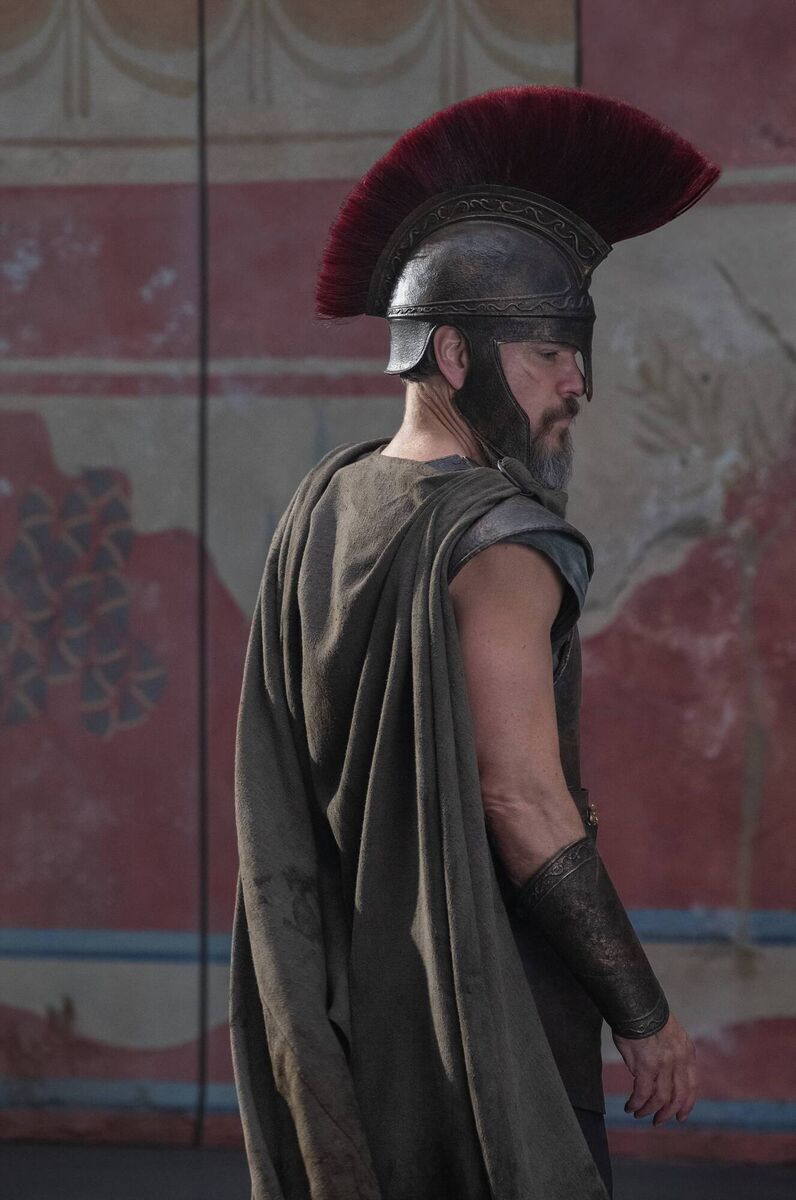
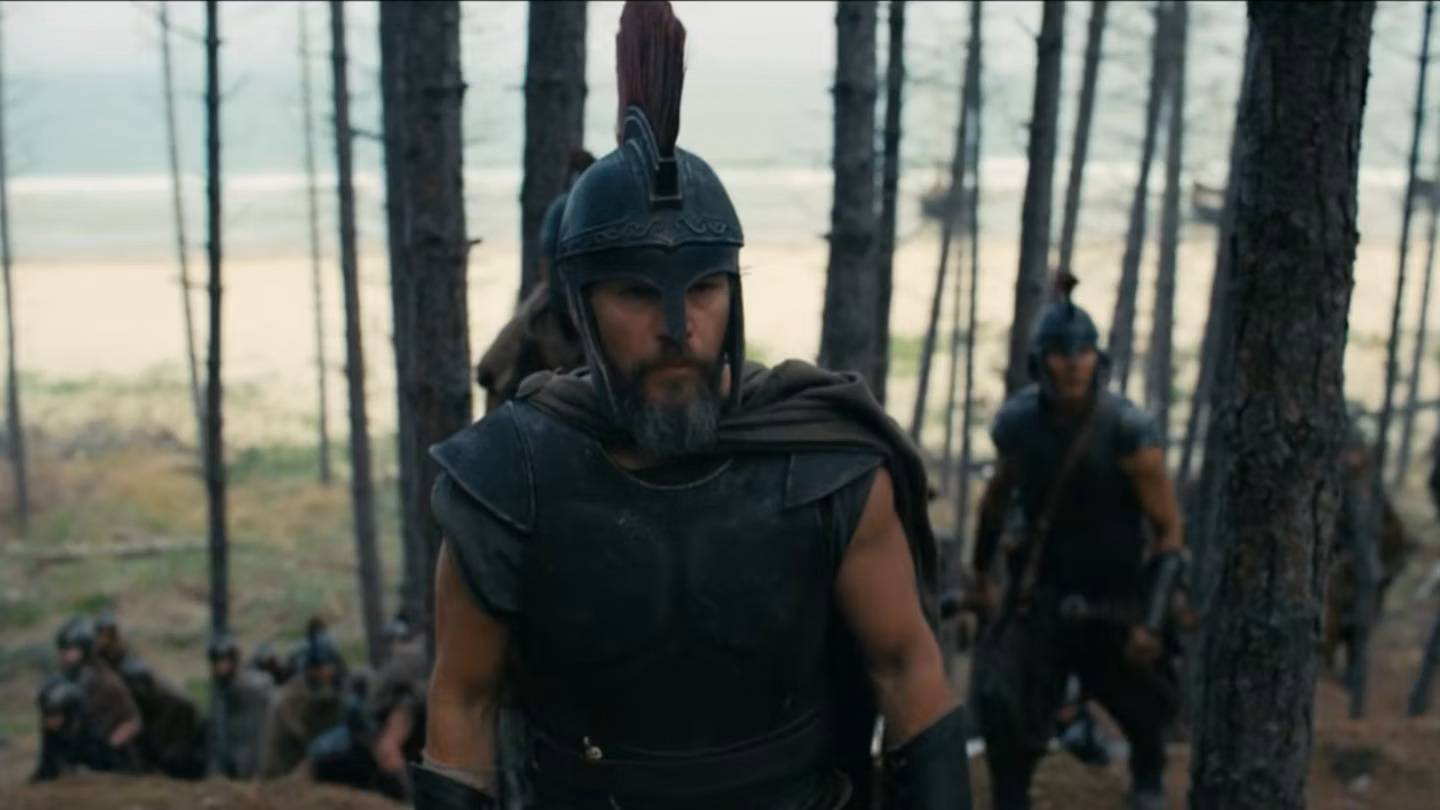
Matt Damon as Odysseus in 'The Odyssey', which is set to be the feature film of the summer.

Matt Damon as Odysseus in 'The Odyssey', which is set to be the feature film of the summer.

Whatever happened to the summer blockbuster? Not the billion-dollar film, Hollywood still produces plenty of those. Nor the sequel, the reboot, or the latest instalment in an ever-expanding cinematic universe. The summer blockbuster in its original sense: the film that didn’t simply arrive in cinemas but somehow became part of the season itself. The one everybody knew was coming, whether they intended to buy a ticket or not.

Christopher Nolan’s The Odyssey opens next week amid enormous anticipation within the film industry. Advance IMAX screenings sold out almost as quickly as they were announced. Analysts expect one of the year’s biggest openings, while cinema lovers have spent months dissecting every casting announcement, location shoot, and trailer.

And yet there is a curious paradox. Can a film be one of the biggest releases of the year without becoming the defining cultural event of the summer?

Once, those two things were almost inseparable. There was a time when summer arrived with its own unmistakable rhythm. The Bog. Wimbledon. The Tour de France. Never-ending evenings. The first family holiday. And somewhere in the middle of it all, one film that everyone seemed to be talking about. 

You didn’t have to see Jaws to know the shark was coming. You didn’t have to buy a ticket for Jurassic Park to know there were dinosaurs loose. 

Even people who never intended to watch Titanic somehow knew Celine Dion’s song. They recognised the poster. They overheard conversations in pubs and offices. Children recreated scenes in schoolyards. Adults queued around the block. These films didn’t merely entertain us. They temporarily united us.

Perhaps that is why Christopher Nolan’s decision to adapt Homer’s The Odyssey feels strangely appropriate. Not because Homer wrote the first blockbuster — the Epic of Gilgamesh, anyone? — but because he understood something that Hollywood has spent the last half-century trying to rediscover: people don’t simply crave spectacle. They crave stories large enough to belong to everyone.

The blockbuster itself is a surprisingly modern invention. Although the word existed long before cinema, it wasn’t until Steven Spielberg’s Jaws in 1975 that Hollywood truly discovered the commercial power of the summer release. Conventional wisdom had suggested audiences wanted beaches rather than cinemas. Spielberg turned that logic on its head. Suddenly the school holidays weren’t a problem to overcome; they were an opportunity to be seized.

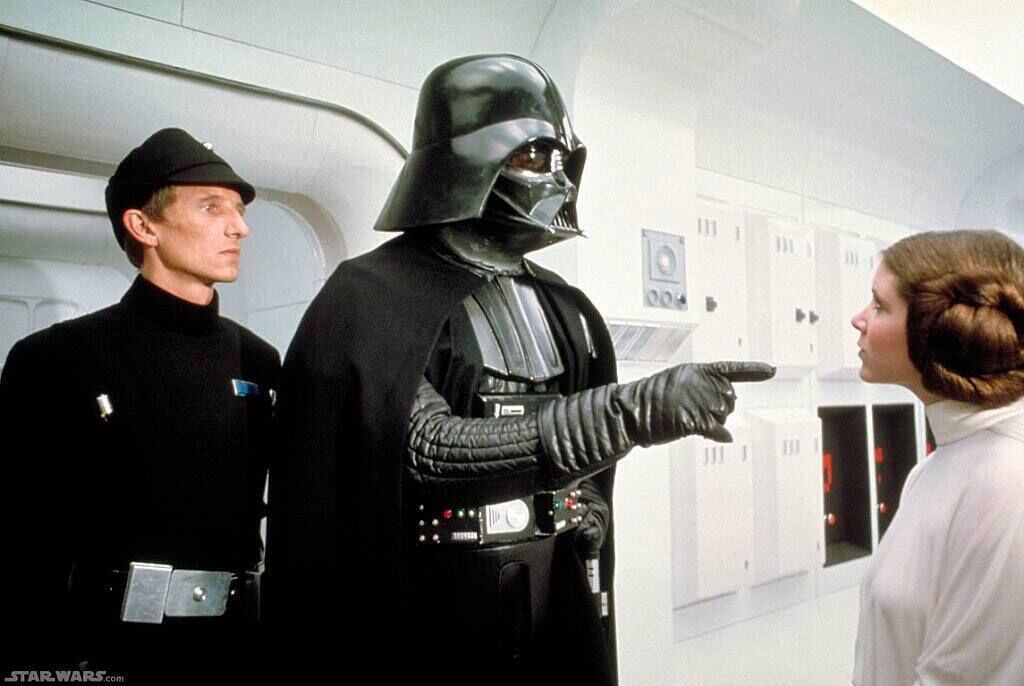
'Star Wars: Episode IV - A New Hope' wasn’t simply a successful film. It was a cultural event. It spawned toys, lunchboxes, playground debates, and endless conversations about what might happen next. File picture

George Lucas quickly realised something similar. Star Wars: Episode IV - A New Hope wasn’t simply a successful film. It was a cultural event. It spawned toys, lunchboxes, playground debates and endless conversations about what might happen next. Spielberg and Lucas didn’t merely make films. They created occasions.

What made those early blockbusters remarkable wasn’t simply their quality. It was their accessibility.

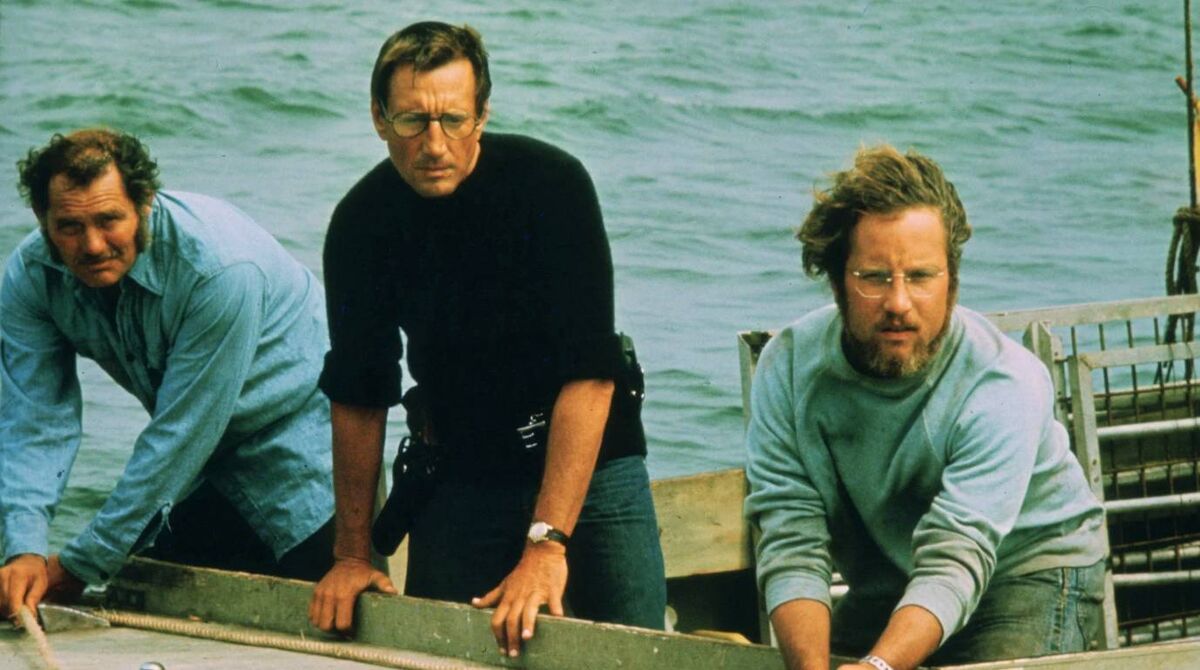
Robert Shaw, Roy Scheider, and Richard Dreyfuss in Steve Spielberg’s Jaws. File picture: Universal Pictures

A shark terrorises a seaside town. A lonely boy befriends an alien. An archaeologist beats the Nazis to a lost relic.

The premise could be explained in a sentence because the audience was everybody. No prior knowledge was required. No cinematic universe had to be navigated. Parents, teenagers and grandparents could all sit together in the same auditorium and experience the same story.

By the 1990s, Hollywood had refined the formula into an industry.

Independence Day famously advertised itself by blowing up the White House months before release. Armageddon sent blue-collar oil drillers into space to save humanity. The spectacle became larger, the budgets ballooned and the marketing campaigns became almost impossible to escape. The summer blockbuster wasn’t simply a film anymore. It was a season.

Then, almost without noticing, something changed. Hollywood didn’t stop making blockbusters. Audiences stopped being one audience.

The rise of streaming, social media and algorithm-driven entertainment has given us unprecedented choice. That is undoubtedly a good thing. More voices are heard. More stories are told. More filmmakers can find audiences that would once have been impossible to reach.

But something has quietly been lost in the process.

The biggest film of the summer now competes not simply with another film, but with Netflix, TikTok, YouTube, podcasts, PlayStation, Instagram, holidays, the Tour de France, Wimbledon, and an infinite stream of personalised entertainment designed specifically for each of us.

The old blockbuster didn’t compete with everything.

It interrupted everything.

Tale as old as time 

That may explain why The Odyssey feels both perfectly timed and strangely out of time.

In many ways, Christopher Nolan is attempting something deeply old-fashioned. At a moment when Hollywood has become increasingly dependent on familiar franchises and interconnected universes, he has turned not to another sequel but to one of the oldest stories ever told.

Technically, The Odyssey is ancient intellectual property. Yet for most audiences it will feel more original than many supposedly original films. It is not Episode 14. It isn’t another reboot. It asks only that audiences surrender themselves to a beginning, a middle and an end.

There is something wonderfully circular about that.

After half a century of sharks, spaceships, dinosaurs, asteroids and superheroes, Hollywood has returned to Homer.

Perhaps that shouldn’t surprise us.

Joseph Campbell famously argued that every great story follows the same heroic journey. His thesis asserts that all human mythologies share a single, universal narrative structure — the monomyth — which serves as a psychological blueprint for personal transformation. 

Matt Damon as Odysseus

At its core, the heroic journey is not a celebration of physical conquest, but a metaphor for the ego’s death and rebirth. By venturing out of the safe, ordinary world into the terrifying unknown, the hero faces trials that dismantle their old identity, allowing them to tap into a deeper, universal consciousness. 

Ultimately, the true heroic act is completing the cycle: returning to society to share this hard-won wisdom and revitalize a stagnant world Homer understood that instinct nearly three millennia ago. Spielberg understood it. Lucas understood it. Nolan clearly does too. Technology changes, special effects improve. Human beings, however, continue to respond to remarkably similar stories.

Yet perhaps the real question facing The Odyssey has nothing to do with Homer at all. Perhaps it is about us, and whether there still exist such a thing as a shared cultural experience? Can one film still cut across algorithms, demographics and personalised feeds to become something everyone is talking about? Or has that idea itself become nostalgic?

There is no reason The Odyssey cannot become one of the biggest films of the decade. It may well justify every expectation placed upon it. Whether it can become something bigger than that is another matter entirely.

Three thousand years ago, audiences gathered around fires to hear Homer tell the story of a man trying to find his way home. Some 50 years ago, audiences gathered in darkened cinemas to watch Spielberg’s shark emerge from beneath the water. Different technologies, eras, centuries — but the same instinct.

The blockbuster was never really about explosions or special effects. It was about telling the same old story — a hero goes on a journey, a stranger rides into town — a hundred different ways. 

It was about all of us agreeing, for a couple of hours, to share the same story. Christopher Nolan’s gamble isn’t simply that audiences still want epic cinema. It’s that, despite everything that has changed, we might still want to be an audience.

More in this section

Lunchtime News

Newsletter

Get a lunch briefing straight to your inbox at noon daily. Also be the first to know with our occasional Breaking News emails.

Cookie Policy Privacy Policy Brand Safety FAQ Help Contact Us Terms and Conditions

© Examiner Echo Group Limited