Defence Forces Tribunal special report: Why it was established, how much it cost, and what's next
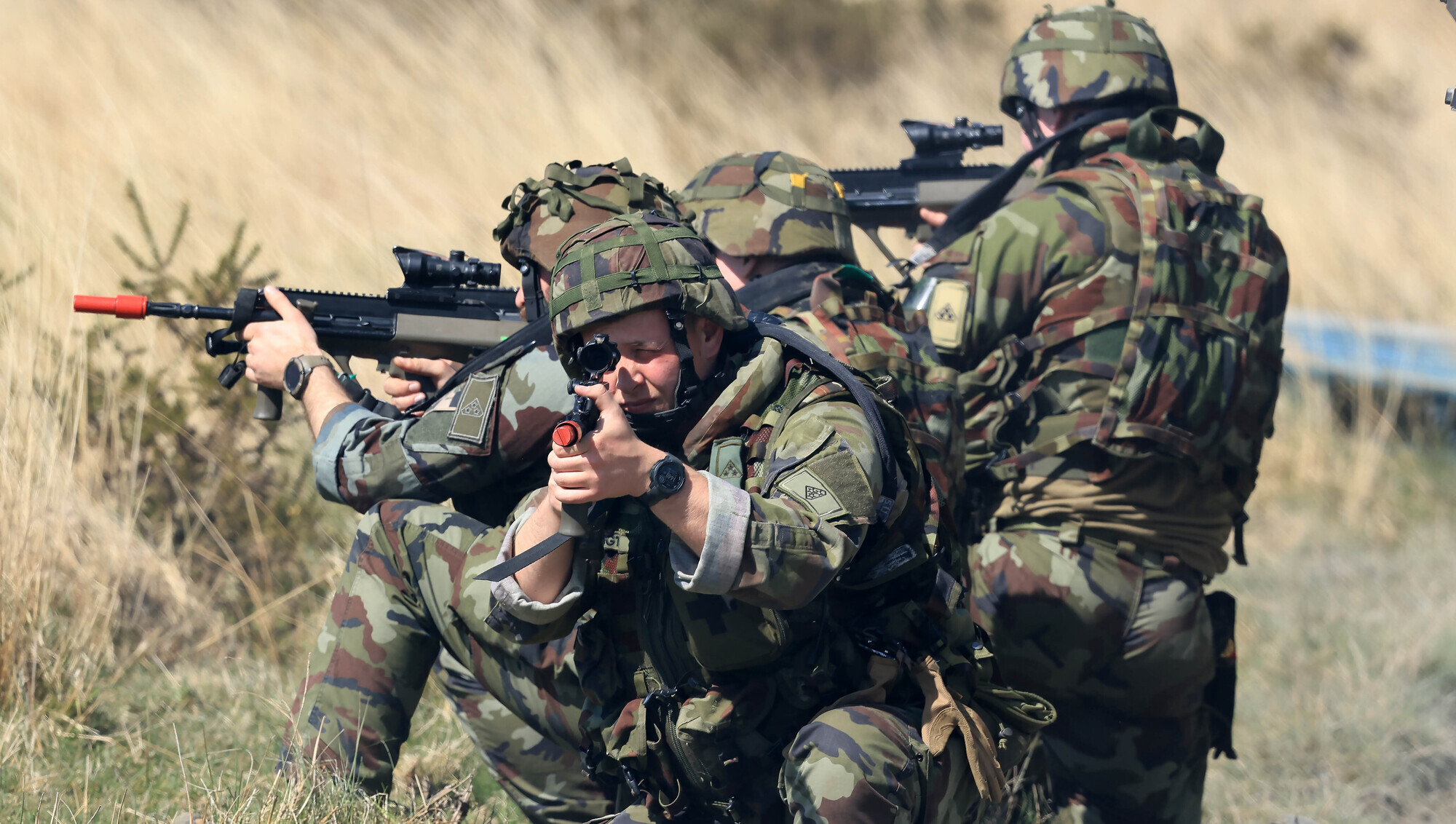
Members the Defence Forces pictured this afternoon during a mission readiness exercise of the 128th Infantry Battalion. File picture: Colin Keegan, Collins, Dublin.
The tribunal is a three-year inquiry into how complaints were handled in the Defence Forces from 1983 until 2024.
Its establishment in June 2024 was a recommendation of the Independent Review Group (IRG): Defence Forces Report.
Published in March 2023, that report detailed disturbing allegations which included the rape of both male and female soldiers.
Those abused include the Women of Honour, a group of serving and former members whose allegations featured in an RTÉ documentary by reporter Katie Hannon in 2021 which prompted the review in the first place.
They also include members of the Army Apprentice School in Devoy Barracks, Naas, Co Kildare, and air corps personnel exposed to toxic chemicals without being provided with adequate PPE.
Read More
The IRG report highlighted issues around misogyny, bullying, victimisation, and even “psychological torture” in the Defence Forces.
One of the IRG conclusions was that the Defence Forces is "unable or unwilling to make the changes needed to provide a safe working environment (notwithstanding the nature of the work of a defence force) that affords dignity and respect to members”.
It concluded that “at best, the Defence Forces barely tolerates women and, at its worst, verbally, physically, sexually, and psychologically abuses women in its ranks”.
The IRG report was the latest in a long line of reports dating back decades that have exposed mistreatment and abuse of soldiers in the Defence Forces.
The first one to really expose the abuse was the subject of a PhD by senator Tom Clonan in 2000, when he was serving as a captain in the Defence Forces.
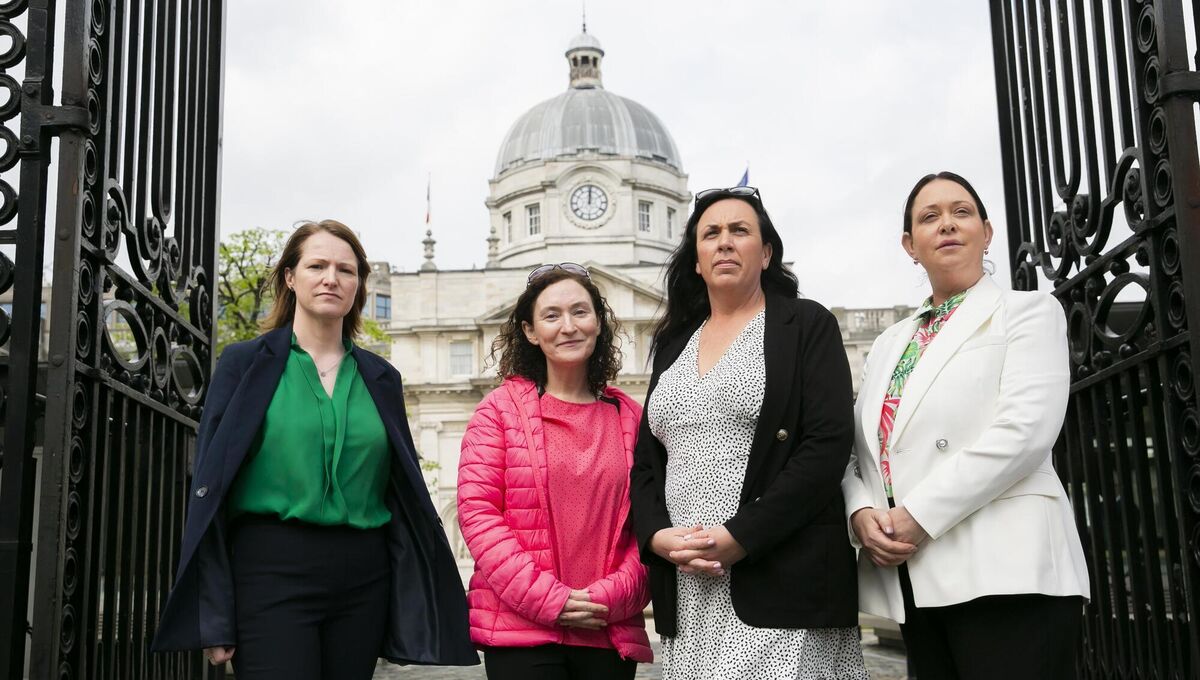
All but one of the 60 women he interviewed for his study reported that they had been the victim of a variety of behaviour, including discrimination, bullying, sexual harassment, and assault.
Regardless of the nature of allegations to feature in the tribunal, however, it is not permitted to make any findings in relation to the “well-foundedness” of any complaints of abuse.
A similar restriction was imposed on the workings of the IRG group, whose report was not permitted to make any “factual or legal findings in relation to any specific case”.
This restriction on the IRG group and the tribunal continues to infuriate survivors of abuse.
The Government has insisted that looking into complaints is “the only comprehensive method of inquiry to resolve outstanding issues that are of fundamental public importance”.
This is despite repeated calls in the IRG report — which ultimately led to the establishment of the tribunal — for perpetrators of abuse to be held accountable.
The report highlighted concerns about “the presence of serial perpetrators whose behaviour is not addressed and is, in fact, often rewarded”.
The Defence Forces Tribunal is expected to cost over €25m by next year.
Figures released to the show administration and legal costs totalled €3.3m in 2024, including €2.8m in legal fees.
Those figures include the costs of the tribunal's own legal team, as well as legal representation for the Defence Forces chief of staff and the defence minister.
In 2025, administration and legal costs rose to €8.26m, of which €7.7m was spent on legal fees.
Legal costs had reached €4.4m by the end of June 2026, with a further €360,000 spent on administration costs.
Those figures form part of the €7.5m allocated by the Government last October to cover the tribunal's costs in 2026.
Costs are expected to exceed €6m in 2027.
A Department of Defence spokesperson said: “An allocation for 2027 will be sought in line with the annual estimates process later this year.”
It is understood the rent for the tribunal's offices on the third floor of the Infinity Building in Smithfield, Dublin, estimated at €24,000 a month, is included in administration costs.
The tribunal team comprises Ms Justice Ann Power, a registrar, stenographer, receptionist, security personnel and administrative staff, along with three senior counsel, three junior counsel, and a number of solicitors.
While the State's legal costs are known or can be estimated, the total amount payable for legal representation provided to witnesses has yet to be agreed.
In the early stages of the current public hearing module, the tribunal heard a form er soldier break down in tears as she gave harrowing evidence of being gang-raped at the age of 19.
The alleged assault occurred at the beginning of what was later described as a “long and distinguished” military career.
Speaking from behind a screen, Ms Y told the tribunal she became pregnant as a result of the rape and later terminated the pregnancy.
She said she did not tell anyone about what had happened at the time because she feared she would be expelled from the Defence Forces.
“I didn’t know who attacked me, I didn’t have any evidence,” she said.
“What happened to me should not have happened.”
Earlier, she said that after the group of three men stopped raping her in her bed in quarters at a barracks she was staying in, one of them warned: “If you ever say anything, you will be kicked out of the army.”
She told the tribunal hearing: “I was afraid. I was only out of school.
“I was 19 years old and [joining the army] was all I had ever dreamed of doing.
When she discovered she was pregnant, she said she was “devastated”.
Ms Y said she “went away and had a termination" and very soon after “went back to work”.
Ms Y said she suffered flashbacks, but when asked if she ever sought help or even reported the rape, she replied: “Absolutely not.”
The tribunal also heard evidence from a serving soldier identified only as Mr R.
He said he was sexually assaulted on two separate occasions at a barracks in the 1990s.
On both occasions, he was asleep when he awoke to find an unknown man assaulting him, he told the tribunal.
After the second incident, he said that when he complained about the alleged assaults, a senior officer warned him: “You’ll lose your job if you bring this up again.”
The tribunal has also heard a serving soldier who tried to tell a senior officer he was sexually assaulted claims the officer just “backed away” from him and the allegation was never followed up.
The alleged incident happened in the past “two to three years” and, according to the soldier, followed a 30-minute talk about “how to talk to women and all that stuff” and the Defence Forces’ complaints process.
Asked if life in the Defence Forces had improved in recent years, Mr S said that while “in some ways it has”, he felt the changes were “just skin deep”, adding that issues around bullying “haven’t changed”.
As a result, he said: “There will always be a fear of coming forward.
“The walls have ears.”
He described the Defence Forces' efforts at reform and to improve how personnel are treated as little more than “a box-ticking exercise”.
He said: “Since the tribunal came up, a lot of stuff was rushed out, so the Defence Forces could cover themselves.
“Morale is at an all-time low.
“This (the tribunal) will just be another box-ticking exercise."
Read More
The public hearing module of the tribunal is effectively being wound down, with only a handful of witnesses expected to attend at next week's hearings.
Witnesses are understood to include Captain Kjell Arne Bratli, a former member of the Norwegian military who gave evidence at the start of the current module of public hearings.
Another witness is expected to be an expert who will give evidence about the Australian royal commission investigation into institutional responses to child sexual abuse at the army apprentices school at Balcombe, Victoria.
When the tribunal resumes in October following the summer recess, witnesses are expected to include members of the Women of Honour group and former air corps personnel who were exposed to toxic chemicals without being given adequate PPE.
The appearance of some former air corps witnesses will come almost a decade after then taoiseach Enda Kenny vowed on February 1, 2017, that the Government would “sort this out” in relation to the scandal.
Before Mr Kenny made that promise, Micheál Martin as leader of the opposition, had described, on the floor of the Dáil, that the exposure of air corps personnel to toxic chemicals was “a very serious issue which could represent a serious scandal”.
From October, the tribunal will hear how repeated warnings and complaints around toxic chemicals were either ignored or not acted on, and people either died or fell ill as a result of their exposure.
The Irish Examiner published an extensive series of stories that led to a national outcry on the matter and questions in the Dáil.
Like the air corps chemical exposure, issues raised by the Women of Honour also sparked a national outcry.
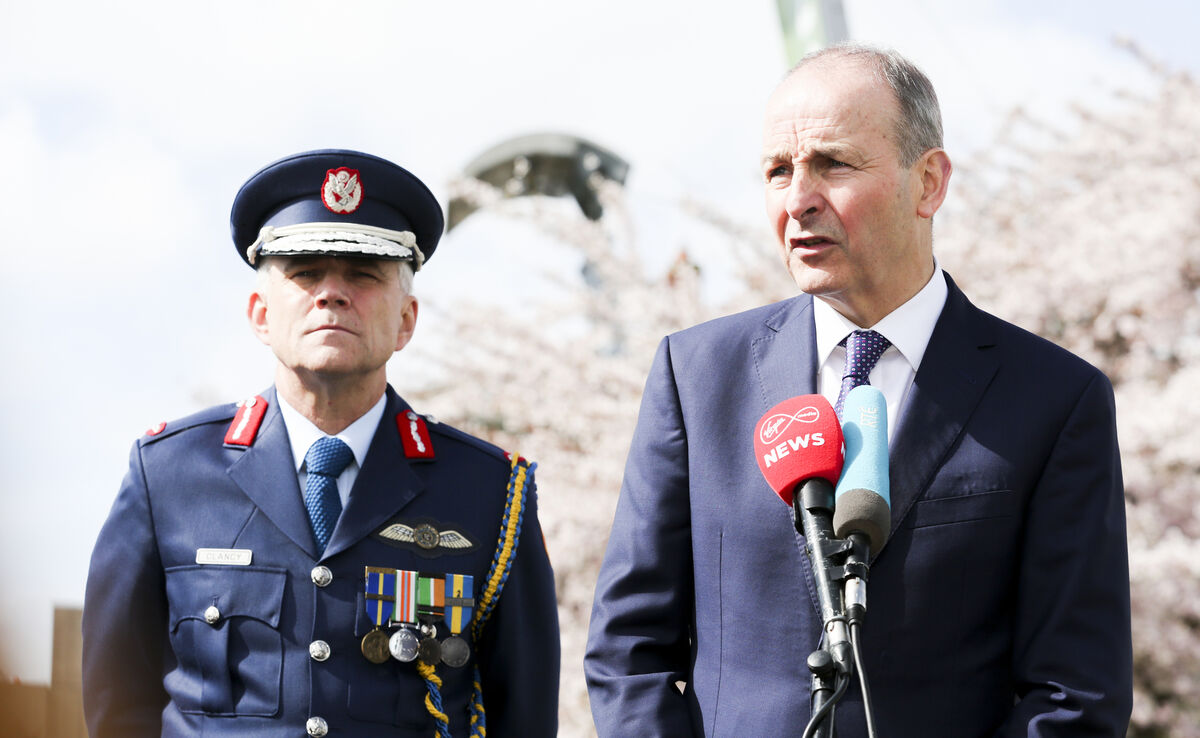
Also expected to give evidence will be General Seán Clancy.
When he was serving as chief of staff of the Defence Forces, he stated that he was completely unaware of abuse and sexual assaults against members during his almost 40-year career.
In March 2023, the then lieutenant general said it had only been through talking to serving members in the previous 12 months that he has become aware of the extent of bullying and sexual assault allegations.
When asked if he had ever seen or heard of any of the forms of abuse referenced in the report, he replied: “I am answering you honestly, throughout my career — other than the standard disciplinary practices — I would not have been aware of them.”
He said he had “a very positive experience” in the army, and that it was only since he became chief of staff that he was made aware of the level and extent of abuse.


CONNECT WITH US TODAY



Be the first to know the latest news and updates