Cork Eucharistic procession to welcome relics of 'God's influencer' St Carlo Acutis
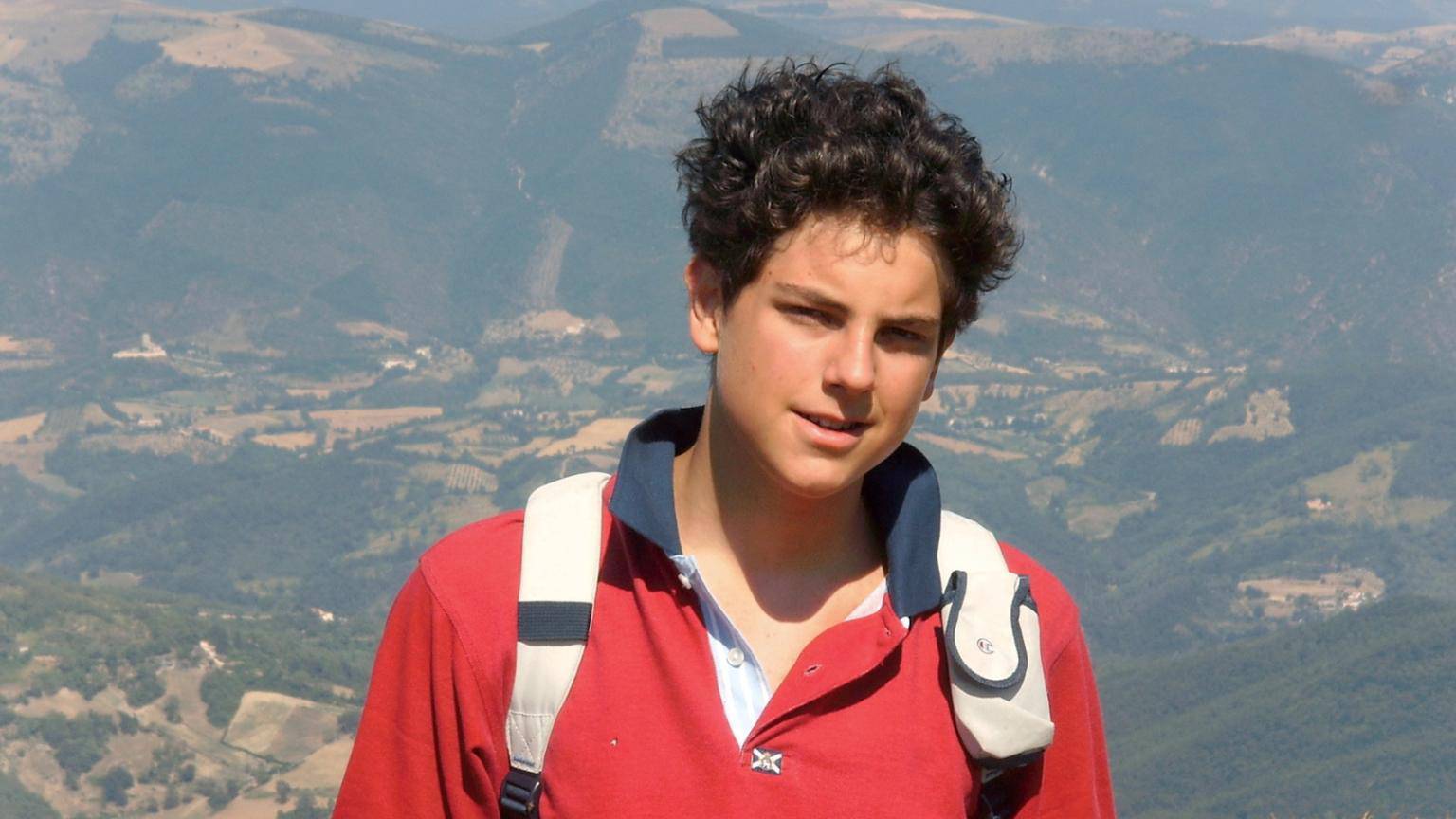
St. Carlo Acutis.
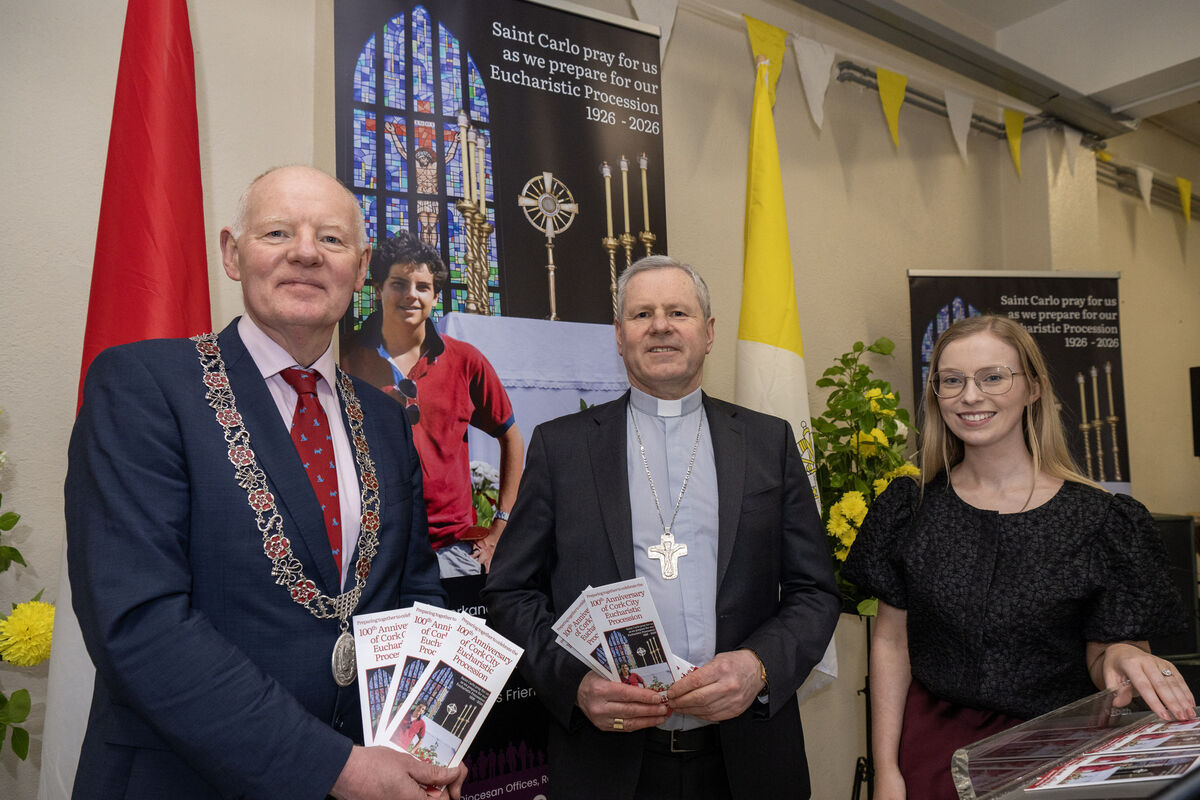
A piece of the heart of St Carlo Acutis, known as ‘God’s influencer’, is set to visit Cork City over the June bank holiday ahead of the centenary celebration of the Eucharistic procession.
The 15-year-old computer whiz was canonised in September last year by Pope Leo XIV and is the Catholic Church ’s first millennial saint.
Acutis died just days after being diagnosed with acute leukaemia in 2006, having used technology to spread the faith.
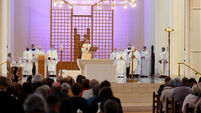
First held in 1926, the Eucharistic procession emerged in the years following the War of Independence and the Civil War in a bid to heal division.
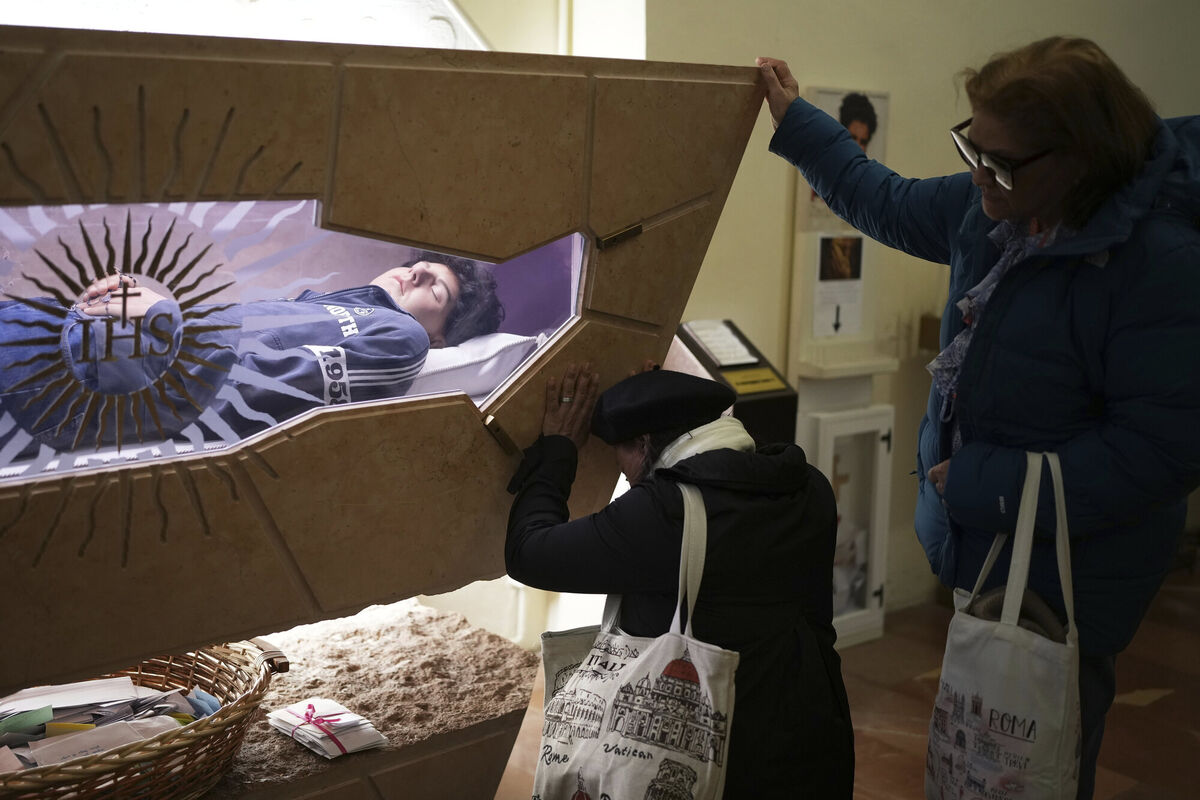
As part of the celebrations, some of St Acutis' relics will be on display in the Diocese of Cork & Ross next weekend, including a piece of his heart, his favourite T-shirt, the bedsheet in which he died, and locks of his black hair.
Monsignor Anthony Figueiredo, who was appointed custodian of Acutis’ relics and is based in the Diocese of Assisi in Italy, said he is expecting thousands of people, Catholics and non-believers, to visit the relics in Cork.
Read More
Acutis was born on May 3, 1991, in London to a wealthy family who were not particularly observant as Catholics at the time. They moved to Italy after he was born.
“He returns to Milan, and Carlo grows up a very normal kid — I mean, he has everything going for him,” Msgr Figueiredo told the .
“He’s the only son of wealthy parents, he’s talented, he’s a genius with the computer, he plays the saxophone, he’s a good-looking kid, and he’s athletic.
“But he had his weakness as well. He loved Nutella chocolate, ate too much of it, and used to raid the kitchen fridge, apparently after returning from school each day.
“Also, his report cards say Carlo disrupted his classes, and the reason was because he wanted to make the kids laugh, because he was such a joyful kid,” said Msgr Figueiredo.
He said he would tell the children in his diocese that “we can be a saint and disrupt your classes, as long as they become saints".
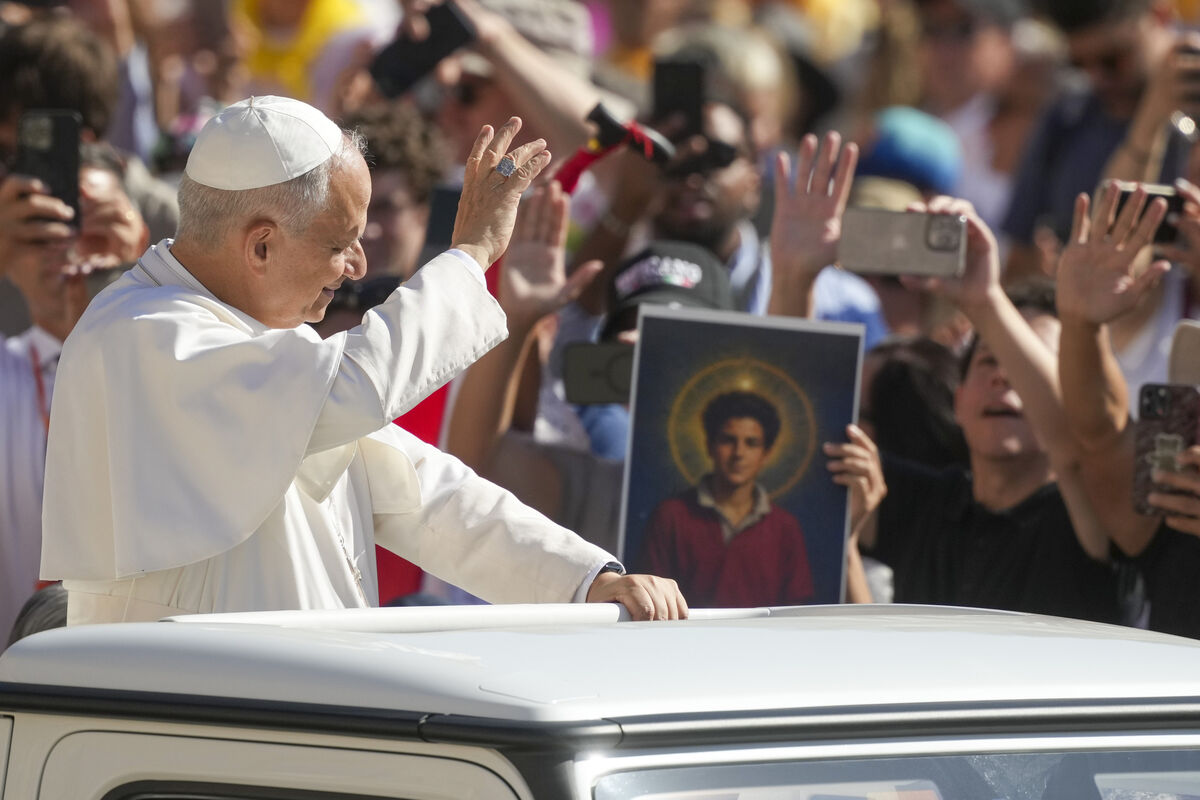
He said that while Acutis had everything going for him, there was “something different" about him.
“He had a real passion for Jesus in the Eucharist, and that’s why he is so central both for this great Eucharistic event in the 100 years since its first procession, and that’s why he is so key in our age because we live in a time when God is being cancelled,” said Msgr Figueiredo.
Acutis, who insisted on receiving his first Holy Communion at the age of seven, was described as “impatient” because he “wanted the real presence of Jesus within him".
“He wanted Jesus as his friend, as his companion, as his closest friend, and the bishop allowed it,” said Msgr Figueiredo.
“The bishop, seeing his zeal, his enthusiasm, allowed him to receive communion. On that day, he received his communion. Carlo, at the age of seven, goes to his parents and says: ‘I have a programme for my life, I have a plan for my life.’
“Most seven-year-olds would say, I want to be an astronaut, a doctor, a soccer star, a ballerina, but Carlo said: 'My programme of life is to be always united to Jesus.'
The programme of his life was described as five key steps: Attending Mass, celebrating the Eucharist, going to confession, fostering devotion to the Virgin Mary and the saints, and performing acts of charity.
“They were very simple,” said Msgr Figueiredo. “It was kids who were bullied at school, he would defend; kids who were disabled, he would befriend.
“The homeless, the beggars, the immigrants. He helped at a soup kitchen, spent his pocket money buying sleeping bags for the homeless, greeting the immigrants as he went to school on his bike.
“And it was really beautiful because why was Carlo able to have that charity, which was exactly where he lived."
Acutis’ relics will arrive in Cork on Friday, May 29, before heading to New Zealand and 32 cities in Australia. It will then go to the Philippines, South Africa, Britain, Italy, and other parts of Africa.
“Carlo is travelling more in death than he did in life, maybe. They travel quite a bit, and he is a phenomenon. Wherever we go, thousands come because they're inspired by his holy, simple, joyful life,” said Msgr Figueiredo.
The monsignor said he hopes the relics will bring hope to parents, middle-aged people, grandparents, teachers, priests, and bishops.
“We’re preparing a new generation, so the relics we bring are some very simple ones. We want to make them accessible to the people.
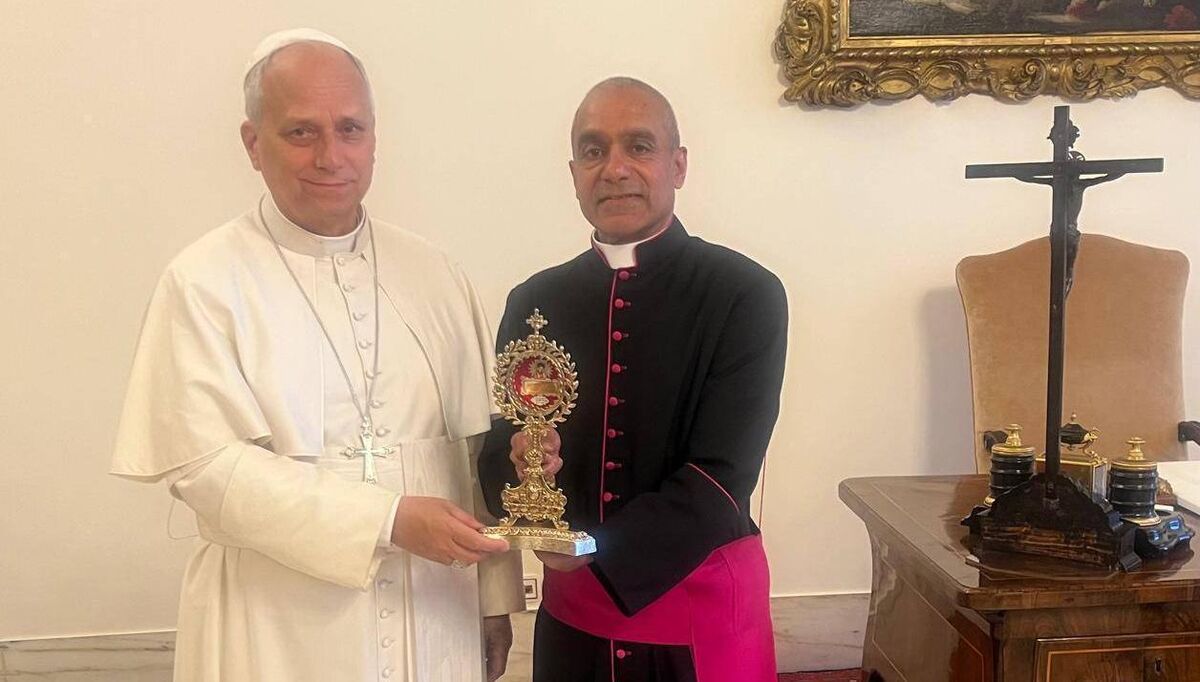
Some of Acutis’ hair, and a piece of the bedsheet in which he died, which is “soaked in his blood, sweat, and tears”, will be among the items on display at different locations across the diocese from Friday, May 29.
“His mother gave me a little piece of his favourite T-shirt, and we will bring that,” said Msgr Figueiredo. "So, these relics remind us Carlo’s just like us, we wear T-shirts, we bleed, we sweat, we cry.
“But the most important relic we bring, the major relic, is really significant. It's part of the heart of Saint Carlo Acutis.”
The piece of flesh is part of the pericardium of the saint and is preserved in a reliquary, which will signify both the spiritual and physical journey that Acutis had with Jesus.
The relics will be available to everyone who wishes to visit and touch and “receive a personal blessing".
“There are going to be great graces, there are going to be miracles, there are going to be signs, and most importantly, that relationship with Jesus,” said Msgr Figueiredo.
“Everyone will also be invited to write a petition, and we will bring every single one of them back to Assisi and place them under the tomb of Carlo for 24 hours, and the next day, I will celebrate a Mass for every single one of those petitions which have been written here in Assisi,” he added.


CONNECT WITH US TODAY



Be the first to know the latest news and updates