David O'Mahony: My folk horror era has happened without me realising
In all likelihood, I probably would have found my way into horror one way or another
David O'Mahony: My folk horror era has happened without me realising

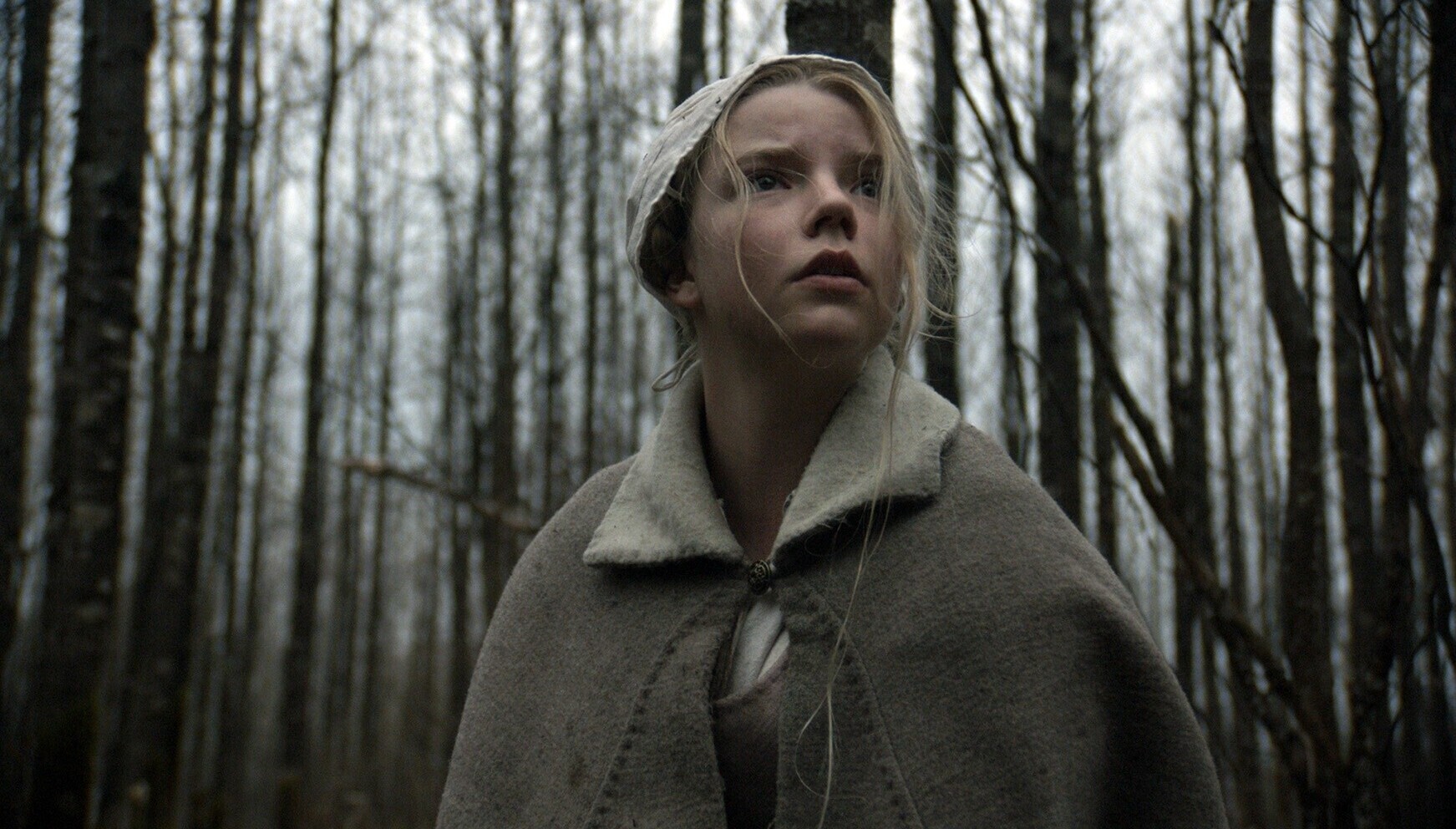
Anya Taylor-Joyas Thomasin in A24's 'The Witch'.

I’ve entered my folk horror era.

Sadly, that doesn’t mean I’m about to become that eldritch thing in the woods that leads people — ideally bad ones — to their doom (tempting though that is, just think of the merchandising alone). 

I’m not wandering the roads with a battered guitar singing melancholy songs, either, which is perhaps for everybody’s benefit.

But it’s a recognition, an embracing really, of how my fiction has evolved. 

I’ve long been a ghost story specialist, but over the past 12 months, I’ve noticed a serious trend toward writing work more explicitly informed by Ireland, by Irish experiences, and perhaps just as importantly the Irish landscape. 

HISTORY HUB

If you are interested in this article then no doubt you will enjoy exploring the various history collections and content in our history hub. Check it out HERE and happy reading

Bogs alone have been an endless source of inspiration. They’re where the ground itself is kind, black butter, as Heaney said.

After all, we’re the country of banshees and Fomorians and pockets, perhaps, of sheds of old pre-Christian religion embedded in the soil through standing stones and old carvings, why shouldn’t I engage with this?

I just didn’t realise it was happening, which is a bit of a horror trope in and of itself. 

It took a recent sold-out talk by Robert Edgar at Cyprus Avenue in Cork for that understanding to bubble out from within like some sort of fetid bog water.

Now, you may not be familiar with the term “folk horror”, but you’ll know at least one film from the genre. 

It’s not folklore, though it’s definitely adjacent. 

Fundamentally, it’s about ideas, beliefs, stories, and the like that have survived through the centuries, forgotten by what we might call civilisation.

Often, it features the tension between modernity and tradition (these can be interpreted loosely). 

A typical example: Somebody from an urban background arrives in a rural area and proceeds to tell the locals what to do.

Hijinks ensue, and by that I mean it all goes horribly wrong and somebody probably ends up sacrificed. 

Usually, something in the landscape is disturbed, or worshiped, or generally feared.

So think The Wicker Man, Blair Witch Project, The Witch, Midsommar, or Ireland’s Frewaka

Typically the outsider refuses to listen to local knowledge — in one of the earliest films in the genre, The Blood on Satan’s Claw, a judge says “witchcraft is dead and discredited” and a local, reading a book of old magic, replies: “how do we know what is dead? You come from the city, you cannot know the ways of the country”.

Other typical features are conflicts over the land, such as dispossession or development by outsiders, and trauma.

You see how Ireland, and Irish folklore and mythology, naturally aligns with it, or how an Irish writer might find himself traipsing through the genre without quite knowing how he found himself there to begin with. I’m in the cursed field, aren’t I? Dammit. So it goes.

But then again, to me it was just leaning into Irish history and nature. 

I’ve written stories informed by the Famine (in which several of my ancestors died). 

One of my popular pieces, Grave Tidings, is about the ghosts of Famine dead looking for solace. 

Another one called The Hungry Man, which was published in the US last year, is a haunting driven by Famine-era folklore in which someone from the city ignores local knowledge. 

One of my most visceral pieces, called Apotheosis, also published in the US last year, is inspired by bog mummies and old cults, though it’s really about the way society tends to bury (literally in that case) the achievements of women.

All writing is political, and folk horror no less so.

It might even be a marketing boon. 

Readers increasingly look for tropes and niche genres, which is fine, but can be tricky for the writer, especially if your collections tend to span a few subgenres, as mine tend to do.

However, my upcoming collection In the House of Sorrows is so soaked in the genre that embracing folk horror as a label may help my stories find their ideal readers.

I just need to rein myself in and knuckle down to finishing the novels and novellas already in the queue. 

But the stories, they call to me, like a voice in the mist.

In all likelihood, I probably would have found my way into horror one way or another. 

For years I could vividly remember a particular story that I swore up and down I had read, but which stubbornly refused to show up in the contents of the anthology I was absolutely positive I’d read it in, no matter how many times I checked. 

I was also convinced it was one of the many anonymous stories from the 18th and 19th centuries.

It was about a man wandering through a castle, and other buildings, trying to reconcile fractured memories with the dilapidated surroundings around him.

I could remember it so intensely that I could have written it almost scene for scene; at one point Beloved Wife suggested I should. 

Shortly afterward I found it in my library (another horror trope)  turns out it was HP Lovecraft’s The Outsider, which in a pleasing milestone for this column was published exactly 100 years ago this month.

It may have been more gothic in aspect, but it had just been tunnelling beneath my mental landscape, biding its time.

Elder things are only ever just a few heartbeats out of reach.

  • David O’Mahony is Irish Examiner assistant editor, a short story writer, and a novelist

More in this section

Revoiced

Newsletter

Sign up to the best reads of the week from irishexaminer.com selected just for you.

Cookie Policy Privacy Policy Brand Safety FAQ Help Contact Us Terms and Conditions

© Examiner Echo Group Limited