Colin Sheridan: For the faithful, to visit the Holy Land is to inhabit two timelines at once
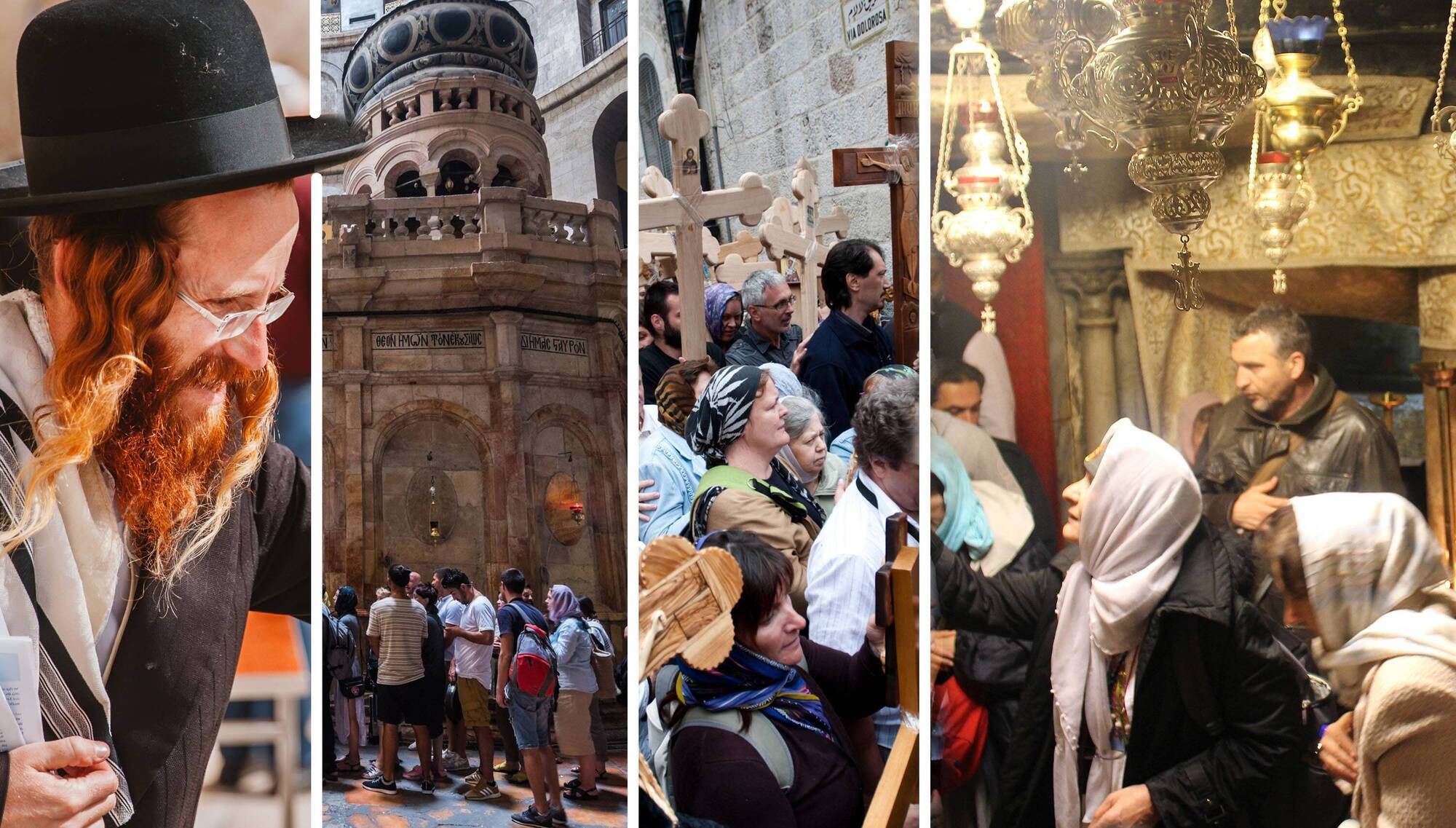
The last days of Jesus are rooted in places that still exist but they are part of the most contested landscapes in the world
Colin Sheridan: For the faithful, to visit the Holy Land is to inhabit two timelines at once

The Easter story with its themes of suffering, injustice, and hope resonates differently when encountered in a place where those themes are not confined to the past. File picture
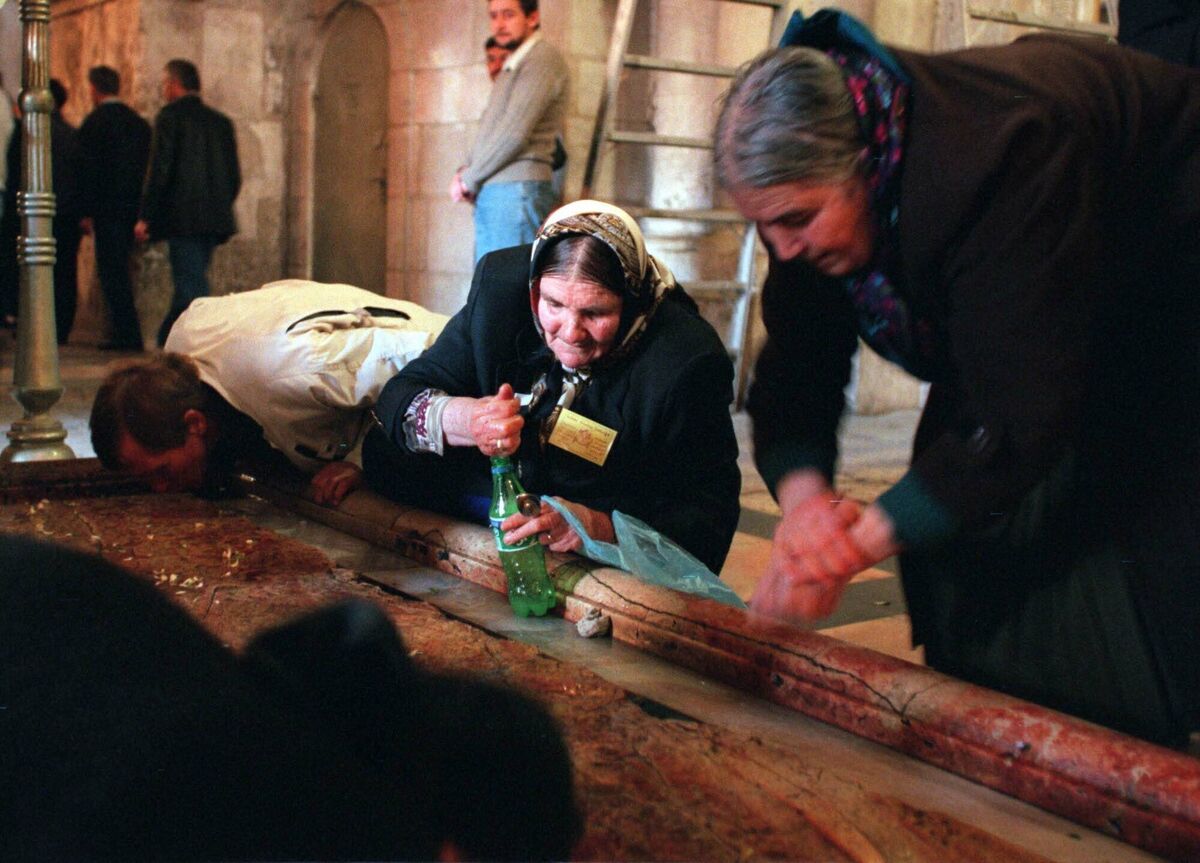
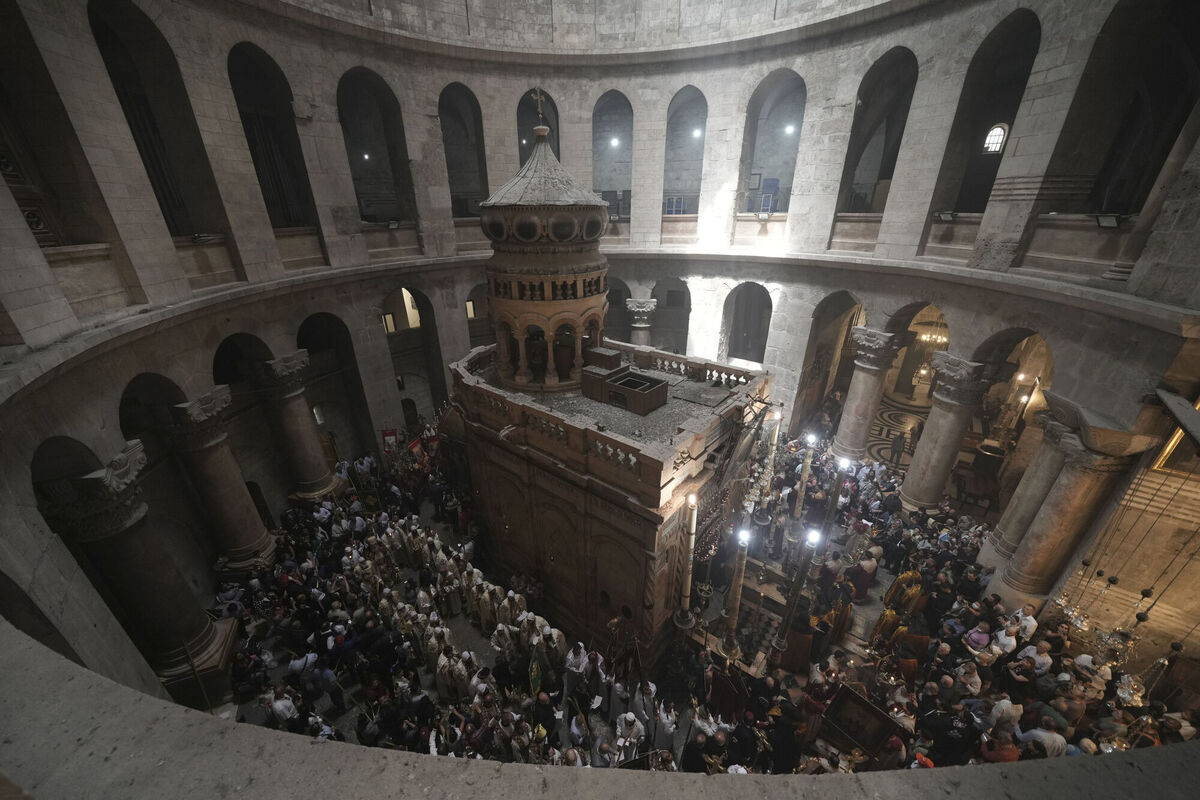
For many Irish people, the story of Easter unfolds in a familiar rhythm — Palm Sunday sermons, the solemnity of Good Friday, the quiet joy of Easter morning. Yet the geography of that story is often blurred, its place-names detached from the modern political reality in which they now sit.

To walk the Easter narrative today is not only to trace the final days of Jesus, but to move through one of the most contested and closely watched landscapes in the world. Jerusalem, Bethlehem, and their surrounding hills are not simply biblical settings; they are part of a region shaped by checkpoints, walls, religious tensions, and competing national identities.

You have reached your article limit. Already a subscriber? Sign in

Continue reading for €5

Unlock unlimited access and exclusive benefits

More in this section

Lunchtime News

Newsletter

Keep up with stories of the day with our lunchtime news wrap and important breaking news alerts.

Cookie Policy Privacy Policy Brand Safety FAQ Help Contact Us Terms and Conditions

© Examiner Echo Group Limited