'My brother got caught in a rain that left his body covered in sores'
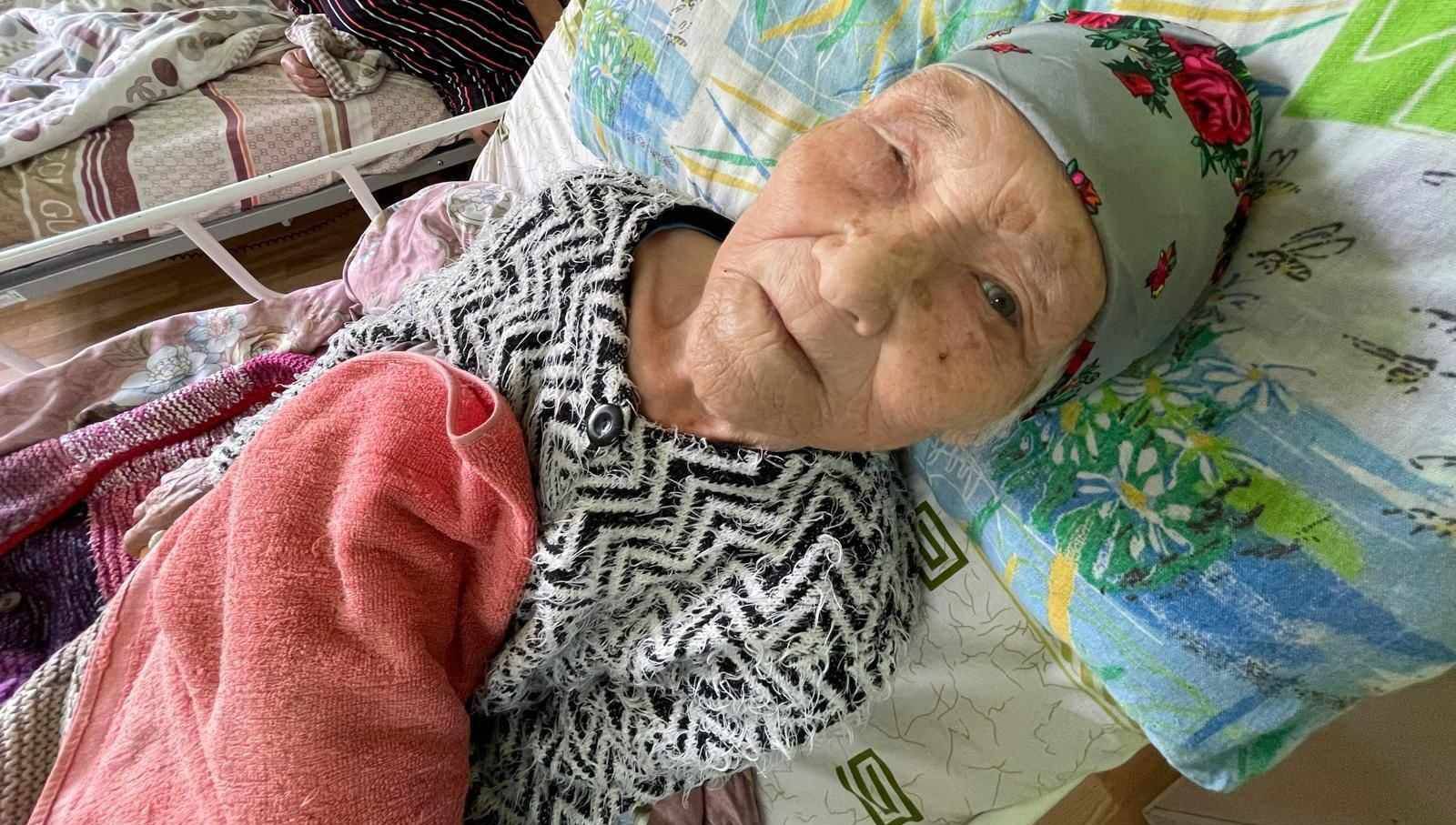
Semipalatinsk Test Site victim Giliyazova Zhumabike in a hospice funded by Cork charity the Greater Chernobyl Cause.
A Cork charity is laying bare the horrors of the Soviet Union’s nuclear weapon testing legacy as it supports victims who are urging the world not to forget their plight.
Fiona Corcoran, who heads the Greater Chernobyl Cause (GCC), has travelled to former Soviet republic Kazakhstan, where she met with survivors of the Semipalatinsk Test Site.
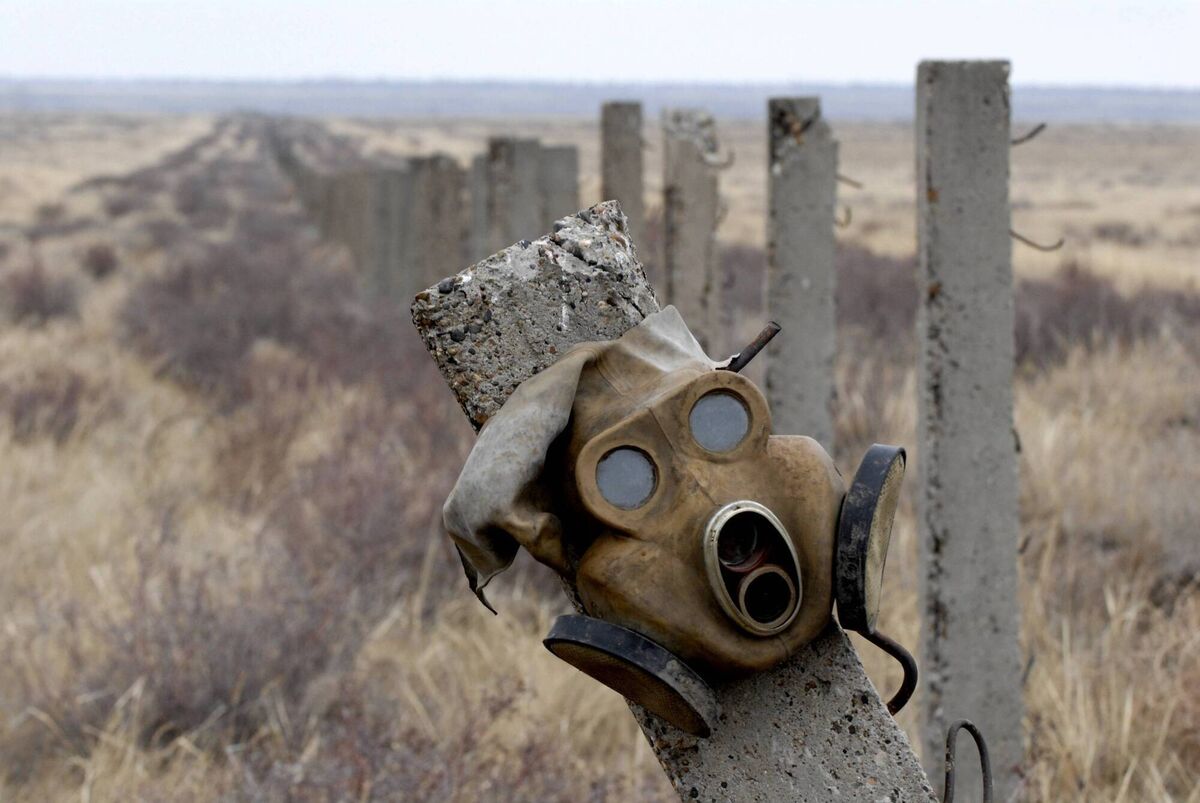
The charity also helps second and third generations affected by radiation from the facility which was the main atomic bomb test site for the USSR until 1991. Also widely known as the Polygon, the Soviet nuclear testing programme left behind radioactive fallout that has long contaminated the region surrounding Semipalatinsk.
Many locals continue to live with abject poverty — which is compounded by the threat of ongoing contamination.
A considerable percentage affected by illness and disability caused by the testing facility now reside in care homes funded by GCC including Ayagus Orphanage, Semipalatinsk. It also funds a hospice in Semey, Kazakhstan which accommodates Semipalatinsk Test Site victims.
A family centre, legal support and counselling are just some of the other services provided by GCC which are available to Polygon victims.
The Soviet Union had conducted 456 nuclear tests at Semipalatinsk between 1949 and 1989 with scant regard for their effects on locals or the environment. Its full impact only came to light decades later in 1991.
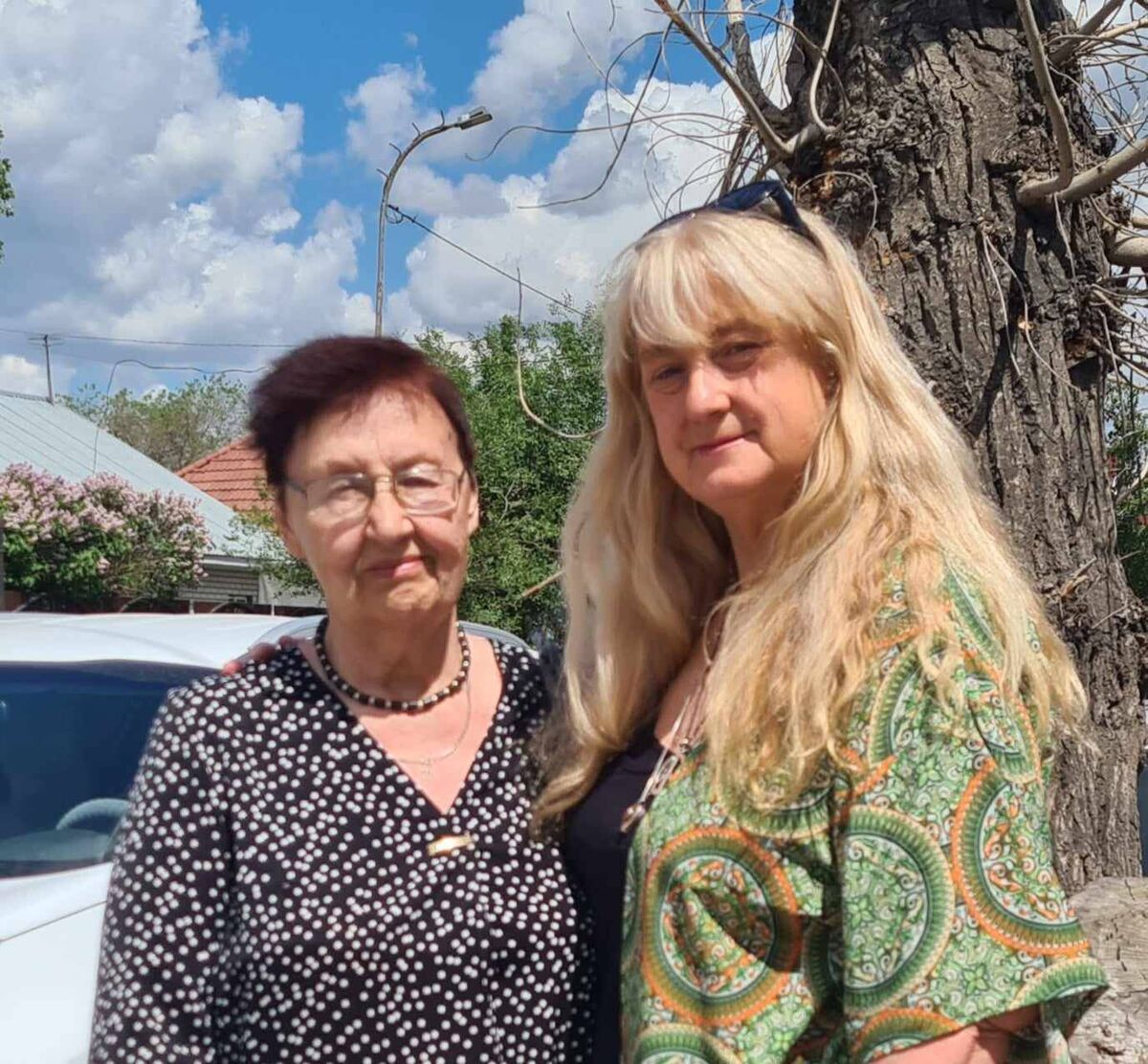
It has since been estimated that 1.5 million people were impacted by the exposure. Fiona Corcoran is supporting a number of people in Znamneka which is a small community housing around 1,200 people living close to the Polygon.
Once known for its abundance of animals, locals can no longer enjoy agricultural careers. Many are instead left with little choice but to work in the adjacent coal mine, further aggravating existing health issues.
At 78 years old, Olga Petrovskaya continues to pay the price for the fallout of the testing programme. The activist, who is one of hundreds of people supported by the Greater Chernobyl Cause, often complains of headaches and dizziness linked with the Polygon.
As a young woman she also suffered the pain of seemingly endless miscarriages. She suspected there was something very wrong in her community from a young age. People were inexplicably dying around her with fatalities including a five-year-old kindergarten classmate whose passing rocked the community.
Doctors, she said, were either lacking knowledge or in denial about the radioactive fallout. All this time the main atomic bomb test site was wreaking irreversible havoc on its neighbours.
“I understood that something was wrong in everyone’s life,” Olga said of her childhood.
"The testing ground brought about some changes in climate environmental disasters. Weather became severe. It became frosty. It changed all the time. The changes in weather conditions were very noticeable. In kindergarten a classmate of mine died by a disease caused by nuclear testing.
“It was a difficult period of time because doctors didn’t admit this was because of radiation,” Olga said. “Doctors were less knowledgeable about it. They weren’t knowledgeable about it at all. They didn’t have the slightest idea how to treat patients.
"Nobody could be helped. Of course people treated themselves with natural herbs and natural ingredients. Many grew these in their own gardens. It was rather difficult to survive at that time.”
Olga was horrified to observe the toll radiation was taking on her siblings’ health.
“My brother got caught in a rain that left his whole body covered in sores,” she told the . “The external ugliness looked like a disease. There was coverage over his whole body. His doctor had no idea what to do. What we were seeing wasn’t healthy. The coverage was abnormal.
"Later in life I was pregnant several times but I couldn’t give birth to a baby. I had a miscarriage every time. That was one of the essential symptoms. Other women had these problems as well.” Locals availed of whatever means they could to survive.
“There was no protective clothing or special measures of protection. The only thing the school administration did was let us out of school when there were explosions.
"Our river seemed like the safest place to be because it was the only area without radiation. We spent most of our time (from dawn till night) in the water which I think made it worse and caused even more pollution.”
Tragically, their efforts were not enough to save them from the Polygon. “There were seven children in the family. Only two of them are left while the others died at a young age. This can only be put down to the Polygon influence. We say that quite significantly.”
According to Olga, the majority of nuclear test survivors received only modest sums of financial compensation and state benefits. She is now calling for the introduction of a medical facility to help first-, second- and third-generation Polygon victims.
“We are not aggressively angry. All we want is what we deserve. That is medical service. It is quite difficult to speak about because everyone has suffered in some way. That’s why we deserve to be treated properly.
"People affected by the Polygon couldn’t move to other countries. They could not even move to other cities. Those people usually ended up dying because they couldn’t become accustomed to other weather conditions. We want to fight for our rights.
She emphasises the challenges that face Polygon survivors. “All we wish to have is medical treatment. I have forgiven everything and everyone at this stage. However, the point is we were victims and this has been taken for granted.
"There should be something in place to help us survive now after the Polygon. There has been no benefits for victims. During the last 25 years nothing has been done. No special hospital was ever created. It was a sheer waste of time. The Government could accept such a situation but instead they are protecting themselves.”
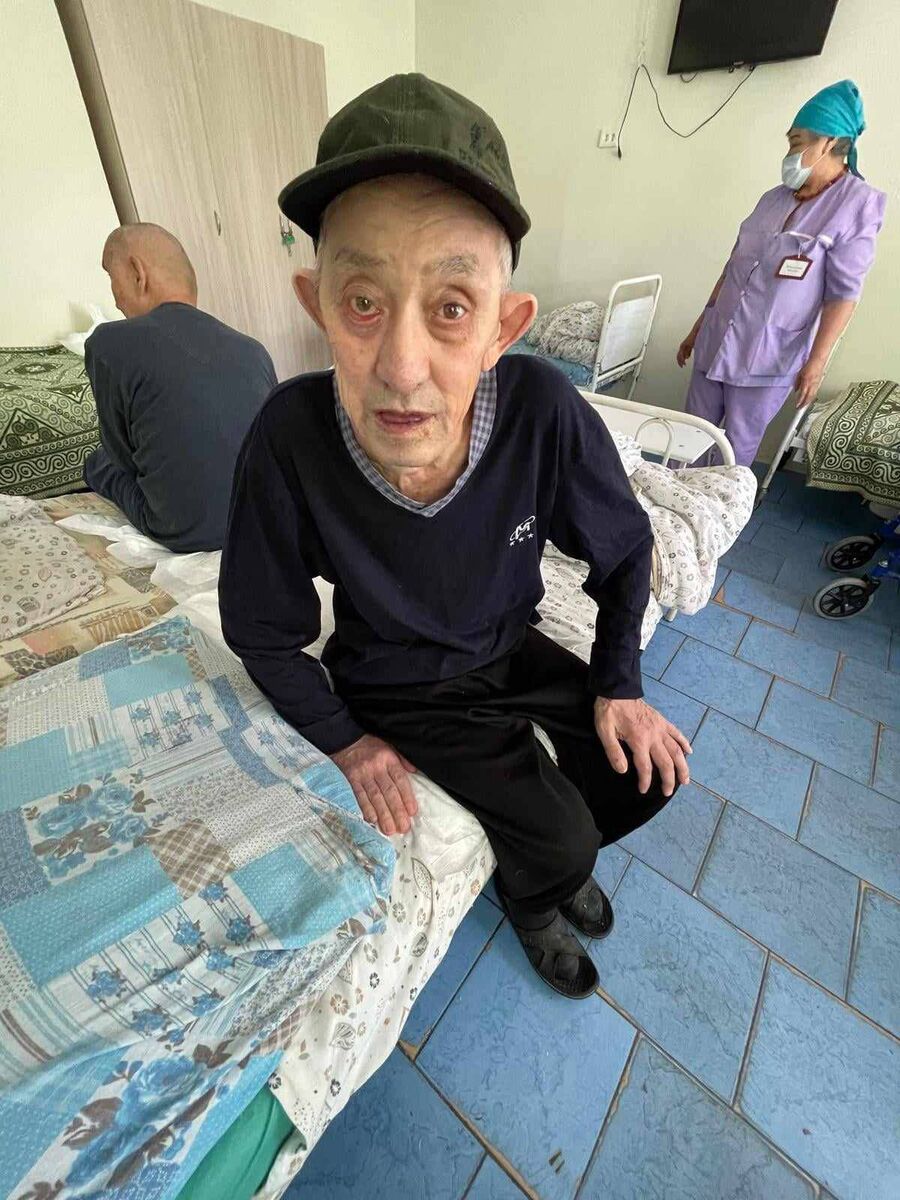
Olga extended her gratitude to the Greater Chernobyl Cause and the people of Ireland for their unwavering support.
“We want to draw the attention of the global community. It’s nice to know that the world is not indifferent.”
Fellow Polygon survivor Venianin Slednikov was among those who took a stand to highlight the overwhelming suffering in his community several decades ago.
“The only consequences for me were the headaches. However, many of the people around me died from cancer. They died from diabetes, hypertension, high blood pressure, bone diseases and heart attacks.
"I worked nearby. In 1987 we held the first protest against our nuclear testing ground. We went to the square of our city. I supervised this movement which was a very bold move at the time.”
Fiona Corcoran from the Greater Chernobyl Cause says that donations from Ireland have helped the charity realise the dream of improved hospice facilities for Polygon victims.
“We discovered a decrepit original building in the industrial city of Semipalatinsk a few years ago, which was home to a hospice from hell where old patients were made to lie on bed springs. Only watery porridge gruel could be manufactured with the meagre four cent daily meal allocation per patient.
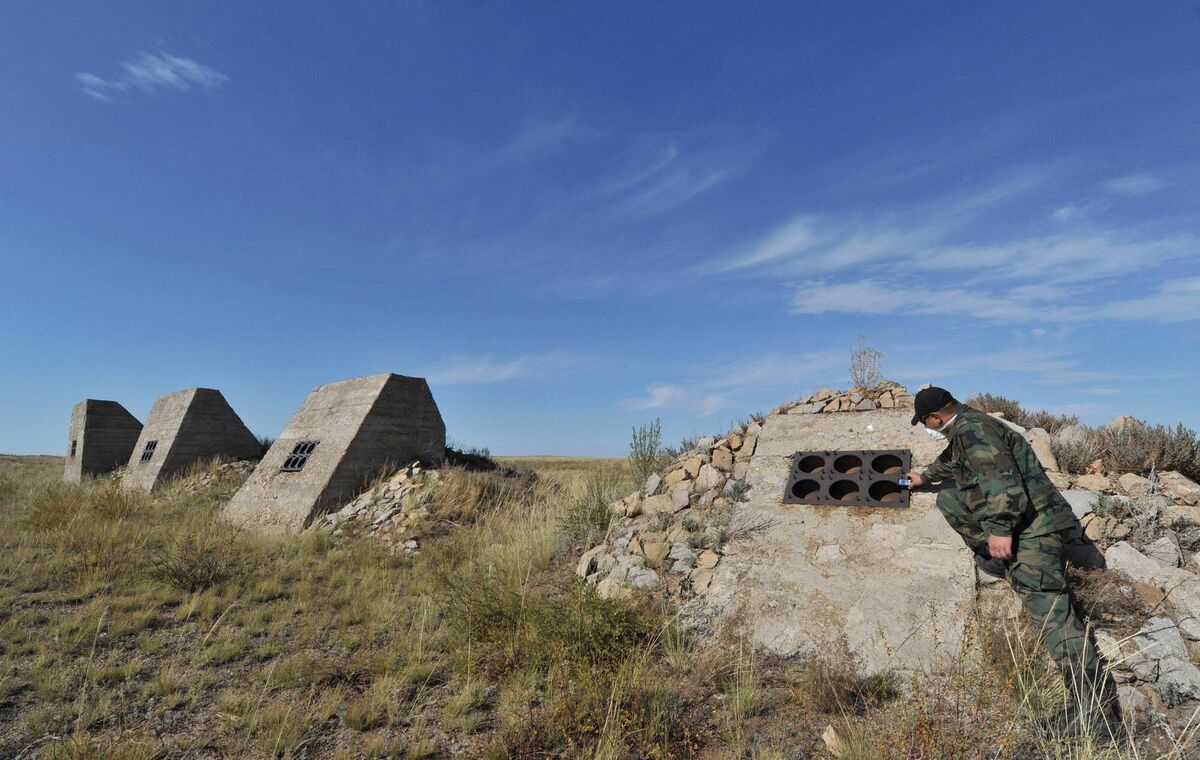
"The charity was given a plot of land on the city hospital grounds by the Kazakh government, in a location where winter temperatures can drop as low as minus 40 degrees Celsius. The hospice is where end-of-life patients receive palliative treatment who are also victims of the Polygon.”
Ms Corcoran says a recent trip to the region has allowed her to see the best way to use Irish donations to support Polygon victims.
“I'm thrilled to have seen the work at our training hospital in Semey up close. Our hospice also serves as a training ground for nurses and other medical professionals. The mobile palliative care programme is our most recent initiative, in which our nurses provide care to patients who want to spend their last days with their loved ones.”
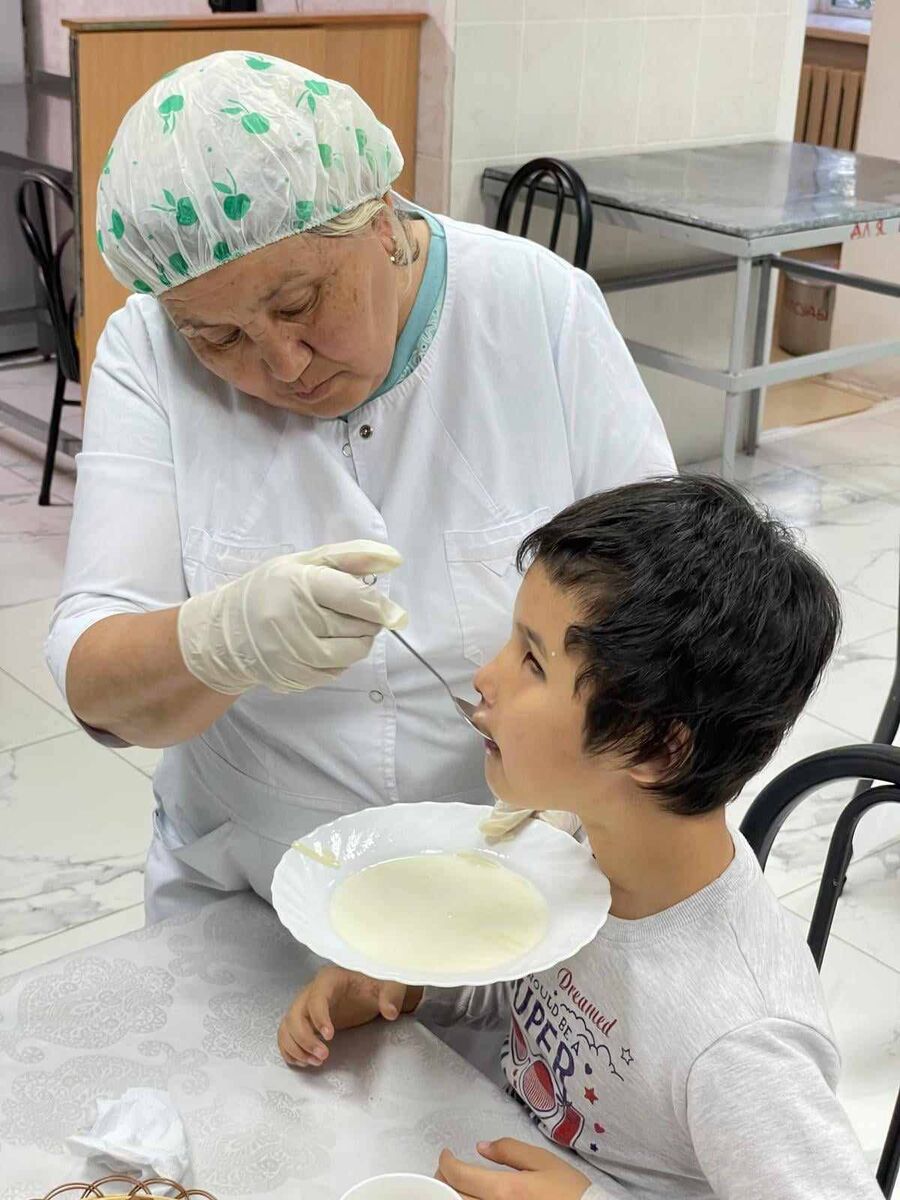
She hopes that support for Polygon victims will continue in the years ahead.
"I want to thank all of our supporters for helping us to ease the suffering that these unfortunate, poor people must endure. Together, we have given people dignity, a sense of worth, and well-being in their final years.”
Ms Corcoran is appealing for continued donations to the charity to improve people’s chances of survival. “There is an urgent need for ultrasounds and other diagnostic tools, which we must supply.”
To find out more about the Greater Chernobyl Cause charity or to donate visit greaterchernobylcause.ie.

CONNECT WITH US TODAY



Be the first to know the latest news and updates