Kodaline: 'Playing live is what we live for but Government think we can't be trusted'
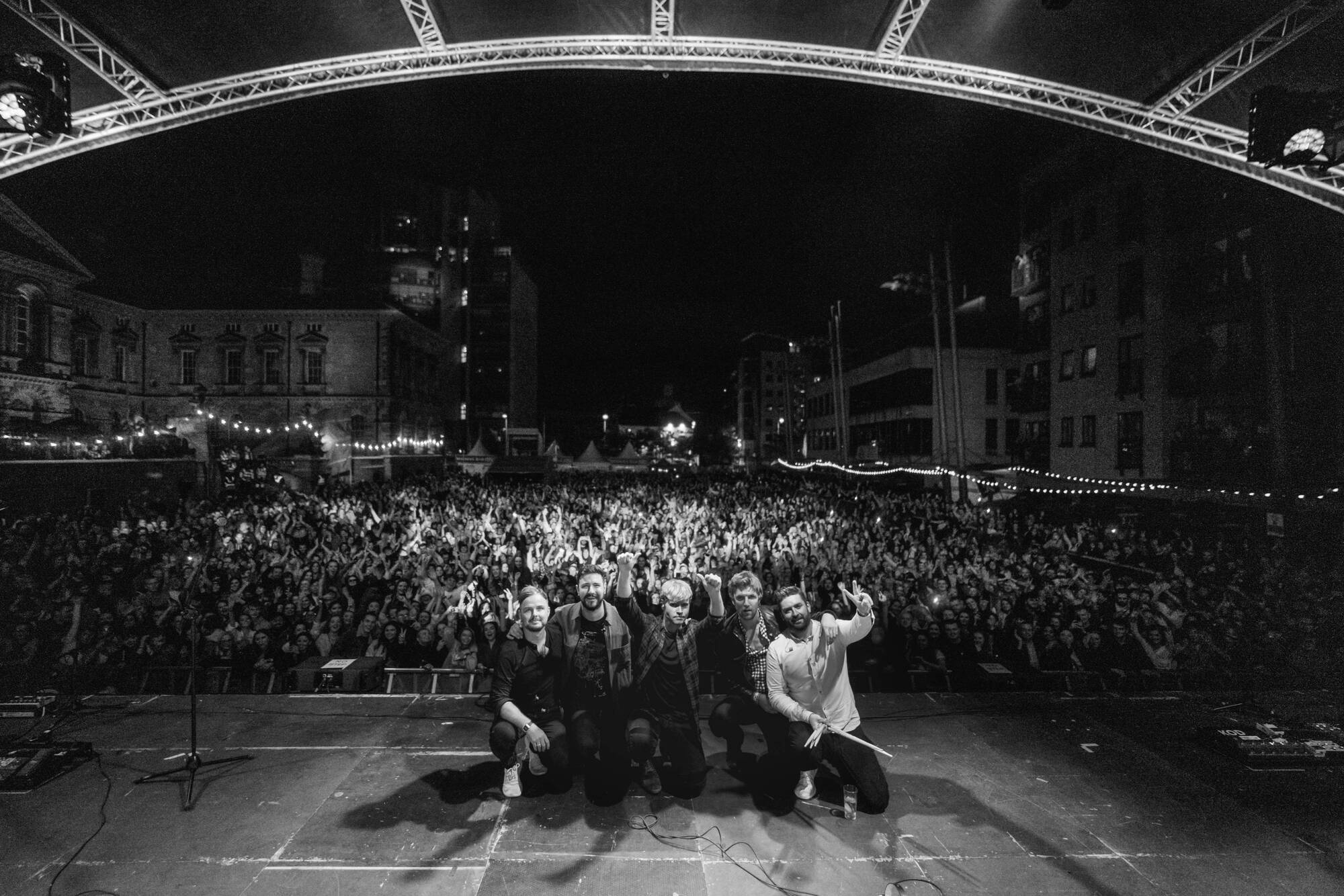
Kodaline played to 5,000 fans at Belfast's Custom House Square last Friday. Picture: WOLFF
As 5,000 people screamed for Kodaline as they came on stage for the first time in more than 18 months last Sunday, it felt like coming home.
Their return to playing live music reaffirmed the band’s deep love of their craft and reminded them how much they had missed it.
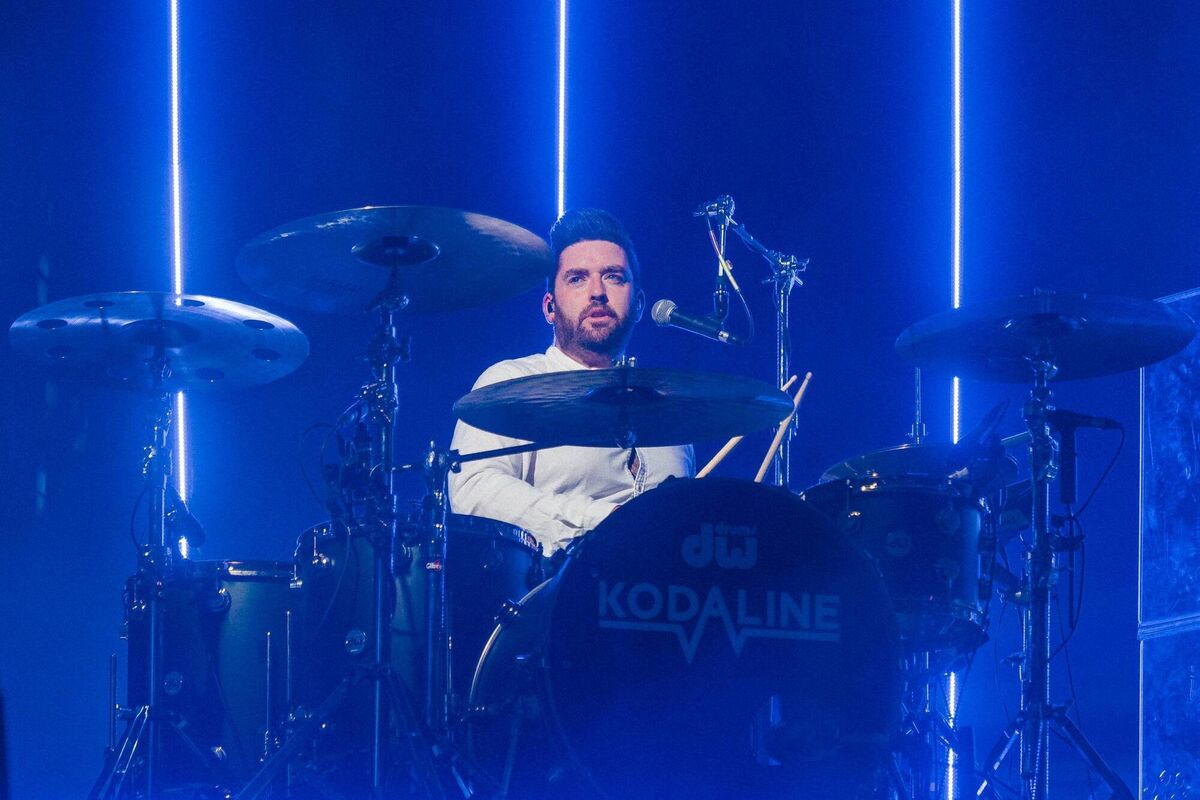
It was Kodaline’s first gig in 566 days and drummer Vinny May said they were "nervous as hell" before the gig but that the experience was hugely emotional.
“To walk on stage and hear the roar of the crowd, it was incredible. Hearing fans sing back the songs you wrote was very emotional.
“Because it’s what we love to do. It’s our purpose. To bring a bit of joy, a bit of happiness to people. For people to park their worries at the door and just enjoy themselves and listen to some music. This is what we live for.
The gig, which brought happiness to 5,000 fans, provided four days' work to the stage crew and allowed Kodaline to get back out performing again, was only possible because it was across the border in Belfast’s Custom House Square.
In the south, live music has effectively been banned for much of the last 18 months, putting more than 35,000 workers in the live events sector out of work throughout that time.
Some limited gigs have been made possible recently by the Government's Live Performance Support Scheme, which has funded some concerts. These would not have been financially viable otherwise due to the reduced capacity mandated at such events.
Current Government restrictions limit live entertainment events to between 50 people (in theatres) to 500 people for an outdoor venue with a capacity greater than 5,000. Most outdoor events are limited to 200 people.
But the Belfast gig was well-run, Mr May said, and showed that gigs could be held again safely.
Everyone going had to give comprehensive contact tracing details and prove that they were either fully vaccinated or had recently tested negative for Covid-19.
Just two days after Kodaline’s Belfast gig, 40,000 people, including the Taoiseach, were allowed to attend Croke Park for the All-Ireland Hurling final.
"There was no contact tracing and people did not have to prove that they had been vaccinated or had tested negative for Covid," Mr May said.
“It was great to see the GAA being able to do it but hopefully we’re next.
“We’ve been trying to engage with the Government for so long but have had no real response and no date.
“There are thousands and thousands of other crews, artists, comedians, actors who have all been out of work.
“The entertainment industry is used to putting on shows in difficult circumstances and in difficult locations – essentially building a town in a field. That’s what the entertainment industry does – we solve problems. And to not be given the chance to do that and prove that we can do it safely is frustrating.
“Music is my identity. It’s who I am. I’ve been playing drums since I was nine years old. I’m 31 now. I’ve been doing it as my job or profession since I was 20. It’s everything.
“And I know for thousands and thousands of people around Ireland, it’s their everything as well.
“It’s just really sad that people have not been able to do it.”
A meeting between Taoiseach Micheal Martin, Tánaiste Leo Varadkar, Arts Minister Catherine Martin and the music industry is due to take place on Monday.
A roadmap for reopening the sector is expected to be announced on Tuesday.
Nphet has advised against any further relaxation of restrictions until 90% of the population aged 16 and over are fully vaccinated. We are currently at almost 85%.
But Health Minister Stephen Donnelly said on Friday he did not believe a specific vaccination figure was needed before changes are made.
And Ms Martin said she wanted to see musicians and live entertainment return to playing in September.
“They have waited long enough. I want to see them getting back performing and doing what they do best and earning a living again,” Ms Martin said.
“At the moment, we have silence in our music. We’ve had enough of that silence and I want to hear music again.
“I’m looking for a return to music in September.
“Enough is enough.”
Ms Martin was speaking as she entered the Cabinet Covid-19 subcommittee on Friday, the same group to which she was recently refused entry, despite representing the sector that has been left until last to reopen.
Mr May said this exclusion was “damning”.
“We see messages coming in every day from fans all over the world that have missed live gigs so much because it’s such a huge, important part of their lives. It’s how they cope.
"Music and art in general is how a lot of people cope with stresses and heartache and loss, but also the fun times – people’s weddings, children being born, all that sort of stuff. Everyone has been missing that.
“We just want a date when we can get back to doing what we do best in a safe, controlled way.”
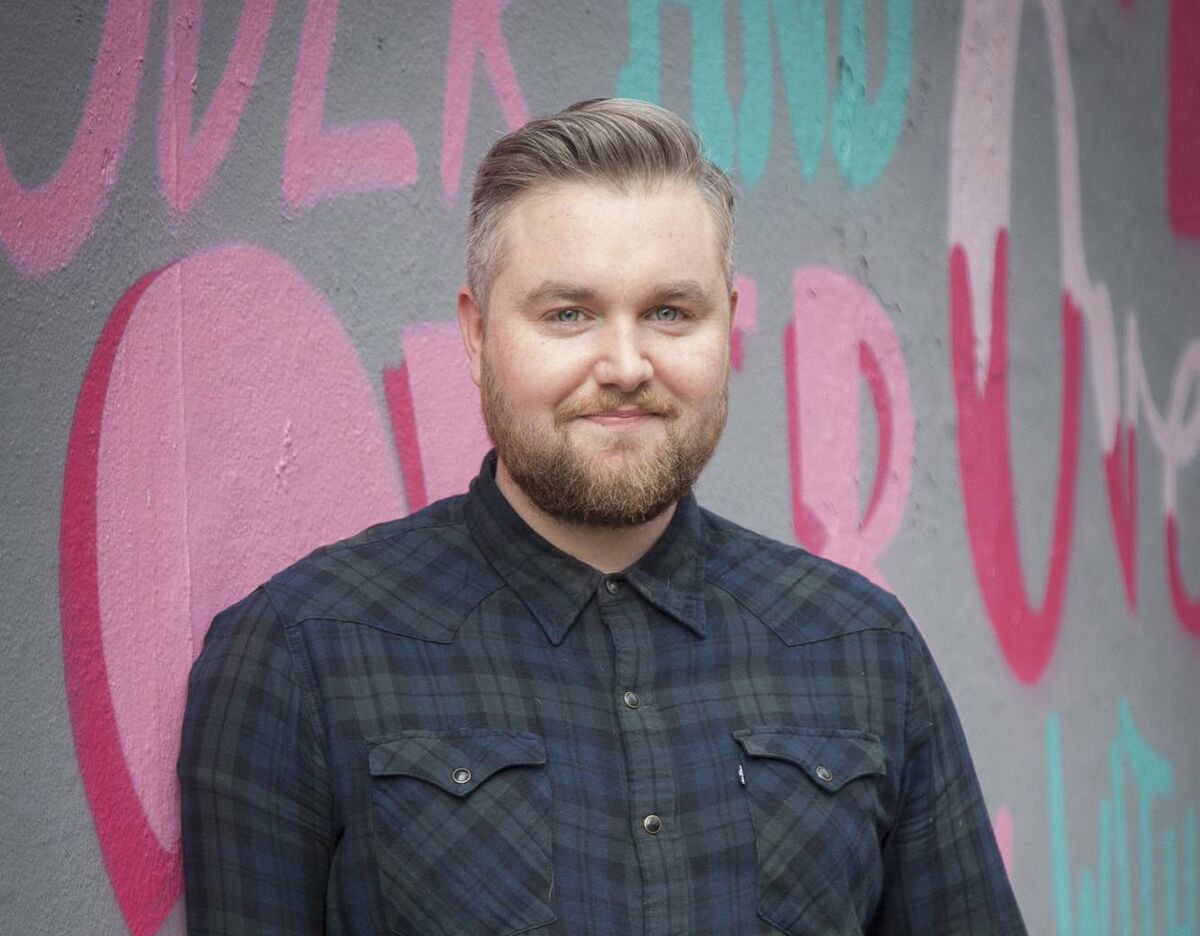
As Niall Byrne, aka Nialler9, took to the decks outside the Irish Museum of Modern Art (Imma) last Sunday, he felt a renewed sense of purpose.
Mr Byrne, a DJ and podcast host who also runs Ireland’s biggest Irish music website, nialler9.com, organises gigs and manages bands, said playing music to people again provided a very welcome “mental health top-up.”
But thousands of other artists around the country are in need of this too but are still effectively banned from doing what they do best.
“Music is a huge, huge part of my life. Music keeps me sane, happy, regulated," he said.
“I’ve really missed the community, the people who work in music, this feeling of the greater good, it’s really good for your mental health. It was so good to play again.
“Those events were all Government-funded but the numbers were hugely different.”
He believes the entertainment industry has been largely ignored by Government throughout the pandemic despite the industry’s professionalism and huge value to society.
“It’s very frustrating. We’ve been closed now for over 500 days. The most frustrating part is that we have no information about what’s going to happen so we can’t plan anything. That is troubling.
“Events take months to plan, but we still don’t know what we can do in September, October, November.
“And we’ve been in that state for so long now that people are suffering from inertia.
“People’s mental health has suffered, their confidence has been knocked.
“The burden of not being able to do what you do in ordinary life gets very heavy.
“We were told that we’d be getting back to some sort of normality. While everyone else has, we’ve had nothing to cling to other than the LPSS [Live Performance Support Scheme] gigs, which are government-funded.
“Hopefully a roadmap for the sector will be announced next week but this should have been done months ago. We’ve lost the summer now.”
He believes part of the problem has been a lack of understanding in Government about what arts and culture really is.
Music is a great uniter, bringing diverse people together, impacting people’s emotions and influencing their thoughts.
But it also generates significant money for the economy. An IMRO report found that for every €1 spent on live entertainment, that generated another €6 for hospitality and tourism, Mr Byrne said.
“Previously we thought that talking to the Government in economic terms would help them understand the industry, because it’s really hard to talk about the emotional wellbeing and the mental health benefits of music and arts and culture. Even though we all know that during the pandemic, that’s what a lot of people leaned on.
“Live entertainment is a release for people.
“There are unregulated events and raves now happening because young people have given up waiting for Government.”
While the vintners and the GAA have powerful lobbies which pressed Government and spoke out in the media throughout the pandemic, the music industry does not have one strong, central lobby.
Mr Byrne said this is partly due to the diverse nature and complex ecosystem of live entertainment, which includes so many different people with different specialities, from artists, to stage managers, to lighting and sound crew, to promoters to health and safety officers to logistics.
“It’s hard to have one voice when it’s such a diverse industry,” he said.
“But for those who have spoken to Minister Catherine Martin since March, when these discussions first began, it’s given people some muscle to flex, it’s made people realise that they can engage with Government. That they can make their voices heard. That can only be a good thing that an industry that previously had no lobby power is now able to talk to Government more frequently."
Ashley Keating, drummer with rock band The Frank and Walters, said one of the most damaging impacts of the ongoing restrictions was that it had driven many talented people out of the industry.
“It’s been very, very difficult for people. A lot of people will not now return to the industry, which is an awful shame because you will have lost a lot of talent.
“We could have lost the next Stephen Spielberg to the pharmaceutical industry, or the next U2.
“People can only hang around for so long.
“And we’ll never know what we lost.
He said he and the industry as a whole had understood the need for many of the measures Government had taken to protect public health, but allowing other sectors to reopen this summer while effectively banning live entertainment “seems very unfair".
“Picking one industry over another seems very unfair. And that your industry is not taken seriously is very upsetting," he said.
“When one grouping gets left behind it’s frustrating. And it seems very haphazard.
“Sport has been treated with the respect it deserves. But music, the entertainment industry and the arts have not.
“Is it about votes, does the Government not think we’d vote Fianna Fáil or Fine Gael but they feel their voter base is GAA?
“I’m a major hurling fan and I was delighted to see 40,000 at Croke Park but there’s no logical reason why the entertainment industry is treated so differently. It feels like we’re not trusted as an industry, like we’re not grown-up enough to understand.
“But nothing could be further from the truth. Our industry is full of people who know what they’re doing with controlling a crowd, health and safety, tickets, everything. And whenever the Government puts on a big event, it’s people from the entertainment industry that do that to make it a success.
“Not being told the reason for the continued restrictions on us alone is maddening.
“This summer seems like an opportunity lost. Pubs, restaurants, sporting events reopened but we’ve still been at a standstill with no roadmap.
"It’s fine saying a roadmap is coming but we’re 18 months into it now and still, nothing.
"If on the 31st there’s another vague nod to keep the industry quiet it will be another kick in the teeth and I don’t think we have any teeth left."
Despite the seeming lack of interest by Government, the music and the entertainment industry is hugely important, he said.
“Everyone went mad on Netflix at the start of the pandemic but the people that put those shows together are from an arts background – cameramen, musicians, editors, sound guys, lighting guys, actors.
“And music defines our lives.
“If you withdraw it, life would be a very, very sad place."
CONNECT WITH US TODAY



Be the first to know the latest news and updates