Cormac O'Keeffe: How do we save children from a life of crime?
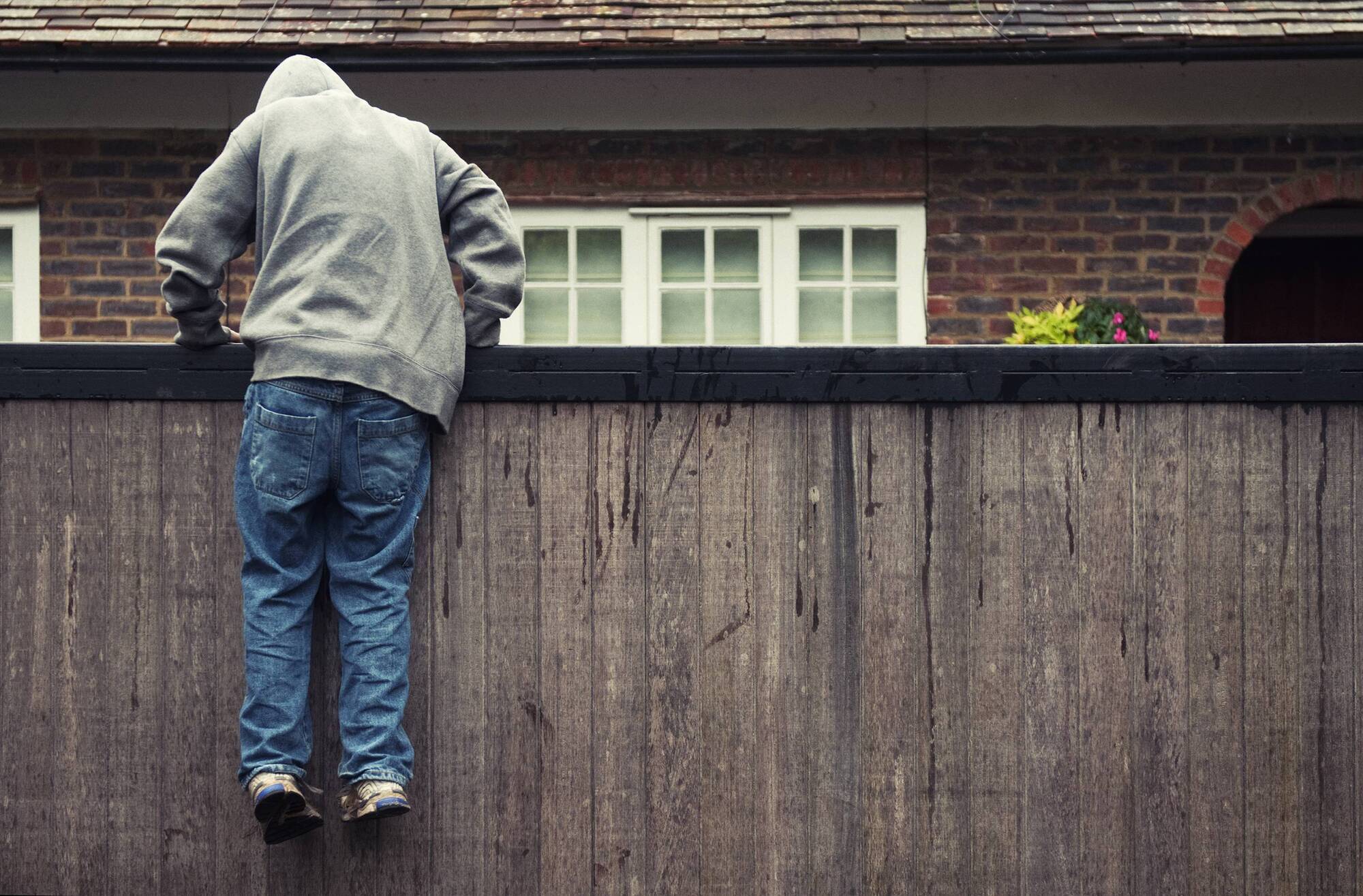
Figures show that young adults, aged 18-24, are disproportionately represented in the prison population. File picture.
Finding ways to prevent children from getting sucked into serious criminality and gangs is a key part of efforts to deal with crime.
But it's an endeavour that receives far less public and political attention – and financial investment - than measures to deal with existing criminals and gangs.
In addition, community youth projects and drug projects have long complained of the impact of successive cuts to their budgets because of austerity measures and, most recently, have flagged concerns at the ongoing impact of the Covid-19 pandemic on a vulnerable cohort of juveniles.
Figures show that young adults, aged 18-24, are disproportionately represented in the prison population, accounting for around 20% of the total prison population, compared to 9% of the general population.
The primary system of dealing with children (aged between 12 and 18) engaged in anti-social behaviour and criminality is through the Garda Youth Diversion Programme.
This programme has received praise by all the relevant quarters, though its image was tarnished in recent years by revelations at the wider failings of the garda system to deal with those juveniles who were not admitted into the programme.
These minors – who were unsuitable because of the seriousness of their crimes and/or because they would not accept responsibility – got away, as the Policing Authority heard, “Scott free”.
Where they were supposed to have been charged and brought through the criminal justice system, they escaped without any sanction.
This was an injustice to their victims, but also a failing of the State to intervene in their lives to try and turn them around.
The Government is about to publish a new youth justice strategy and have looked at a number of innovative projects as part of an evaluation process.
These include projects aimed at the most chaotic of young offenders, in which some of them told researchers that if it were not for the programme they would either be “dead” or “in prison”.
The grim reality facing many young people sucked into gangs was manifested in the most horrific way last January with the murder and dismemberment of 17-year-old Keane Mulready-Woods – his life brutally taken as part of a feud involving rival gangs in Drogheda and north Dublin.
One of the projects evaluated found that three quarters of the youths participating were involved in organised criminal networks.
Others examined those trying to create an alternative education system for juveniles.
A final initiative is trying to give juveniles valuable work experience.
These reports, commissioned by the Department of Justice, provide a rare insight into these little-known initiatives.
The projects come at a fraction of the costs of secure detention. They show that, while there are no easy answers, it is possible to change the lives of many of these children, and, in turn, benefit society.

The project was set up in August 2017 and this evaluation was conducted 18 months into what is a four-year programme.

Half of the negative outcomes were because of low attendance/non-engagement and more than a third were because of a lack of motivation to change.
It said despite the overall negative outcome, the programme was assessed of having positive results in relation to substance abuse and behaviour.

CONNECT WITH US TODAY



Be the first to know the latest news and updates