Minister faces budget battle over carbon tax delay
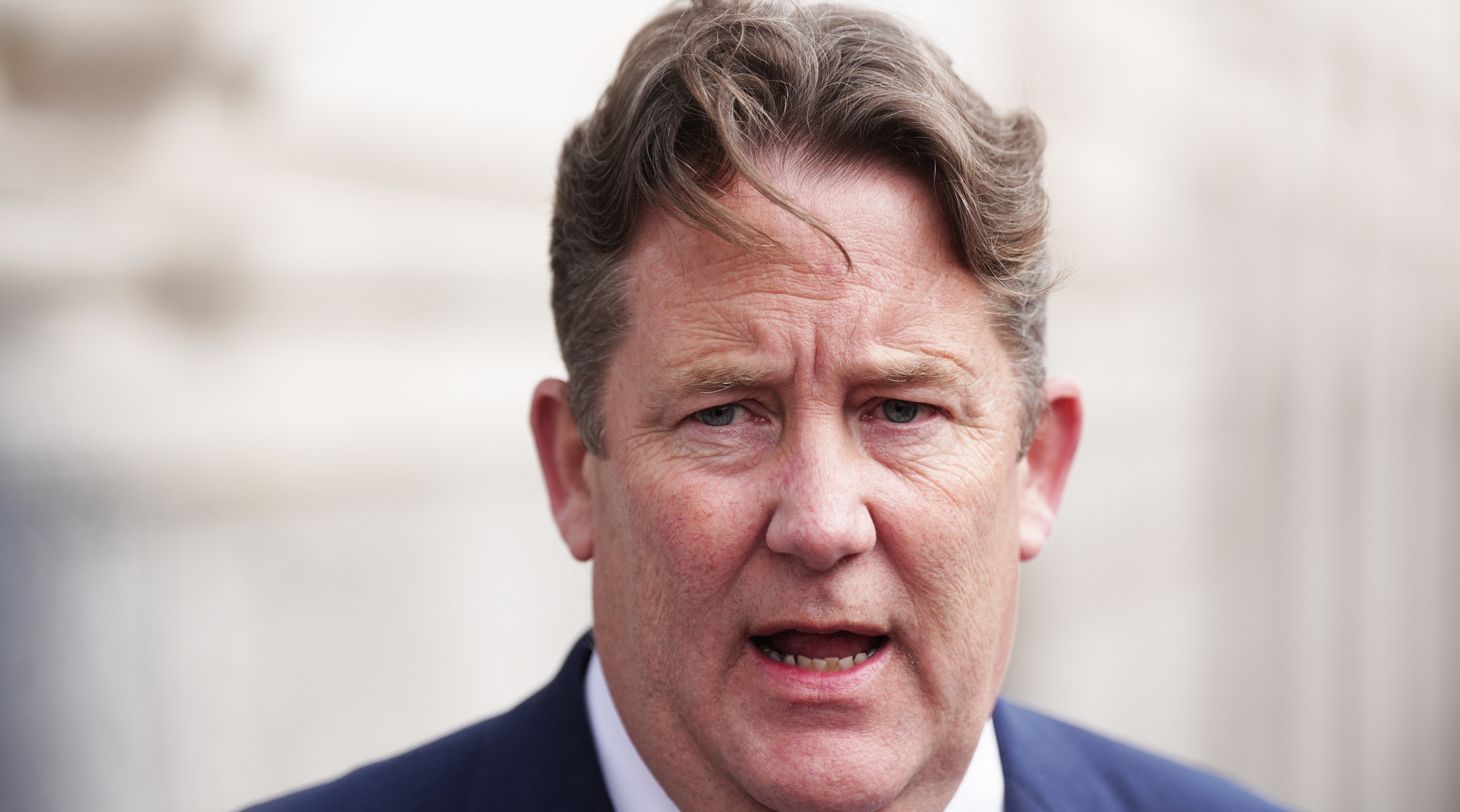
Environment minister Darragh O'Brien calls for assurances on climate funding
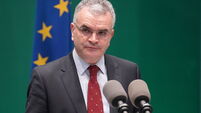
Minister Darragh O'Brien said he was supportive of a discussion on the future of the carbon tax, but stressed that the funds raised through the levy are put towards climate mitigation measures, including retrofitting of homes and solar panel grants. File picture

Minister Darragh O'Brien said he was supportive of a discussion on the future of the carbon tax, but stressed that the funds raised through the levy are put towards climate mitigation measures, including retrofitting of homes and solar panel grants. File picture

Environment minister Darragh O’Brien is gearing up for a budget fight over delays to carbon tax increases, as he seeks guarantees to fund climate measures.

Mr O’Brien told the Irish Examiner the Government cannot reduce its ambition on dealing with climate change, putting pressure on public expenditure minister Jack Chambers to deliver funds to make up a shortfall in lost carbon tax revenue.

“If there’s a pause in future [carbon tax] increases, then what those future increases would have brought needs to be filled,” Mr O’Brien said.

Delays to carbon tax increases are designed to ease cost-of-living pressures on people, but critics have warned that climate mitigation measures cannot wait.

“We’re also acutely aware of the pressures that people are under, cost-wise,” Mr O’Brien said.

The Fianna Fáil minister said he was supportive of a discussion on the future of the carbon tax, but stressed that the funds raised through the levy are put towards climate mitigation measures, including retrofitting of homes and solar panel grants.

“Carbon tax is very important because it funds things like that. It goes back to the public. If it is a situation whereby there’s a pause, be it one pause or two pauses in carbon tax, that money will need to be found elsewhere.”

The environment minister said retrofitting was a positive step for households to take to reduce energy use.

“It’s really important for households and for businesses, it reduces cost, particularly when we see such a volatile situation globally around energy prices.

“If you can make changes to household energy to make it more efficient, you’re deriving permanent savings, and you’re protecting against future shocks.”

Senior Fianna Fáil sources said “no decisions had been made on carbon tax”, but Tánaiste Simon Harris has already suggested that there will be a deferral.

The push from Mr O’Brien to protect the revenue from carbon tax is likely to be a battleground in the upcoming budget, as Mr Chambers seeks to moderate spending.

Mr Chambers has urged ministers to find savings within their departments and reallocate resources to better suit their priorities, rather than seeking additional funds each year.

On energy prices, Mr O’Brien said the Government needed to accelerate the delivery of renewables to drive down the cost. He acknowledged there have been discussions at EU level about the prospect of reducing Vat on gas and electricity below the current 9% limit, but that tax measures were “not going to turn the dial”.

“The reality of the energy cost environment that we’re in now — mainly due to the conflict in the Middle East — prices are going to remain elevated for the foreseeable future,” Mr O’Brien said.

Even if the Middle East conflict stopped tomorrow, the premium in relation to refined products, oil and gas, is increasing already.

Mr O’Brien said this is bearing out at forecourts and in home heating oil, which has seen a 59% increase over the last 12 months. 

He added the Government’s energy affordability taskforce would feed into discussions around October’s budget, while confirming he has formally started talks with both finance minister Simon Harris and Mr Chambers.

On the recently announced public transport fare rise, Mr O’Brien said that while there would be a 15% average increase, some parts of the country would see a reduction.

Mr O’Brien added he would be seeking additional funding in the budget to fund public service obligation services, adding this would lead to a much more sustainable public transport service.

  • Tadgh McNally, political reporter

CLIMATE & SUSTAINABILITY HUB

More in this section

Politics

Newsletter

From the corridors of power to your inbox ... sign up for your essential weekly political briefing.

Cookie Policy Privacy Policy Brand Safety FAQ Help Contact Us Terms and Conditions

© Examiner Echo Group Limited