Ireland to fight for fishing industry in upcoming EU budget, marine minister says
Meeting of EU fisheries ministers in Cork told Irish fishing industry in crisis, with current quotas making it difficult for the sector to survive
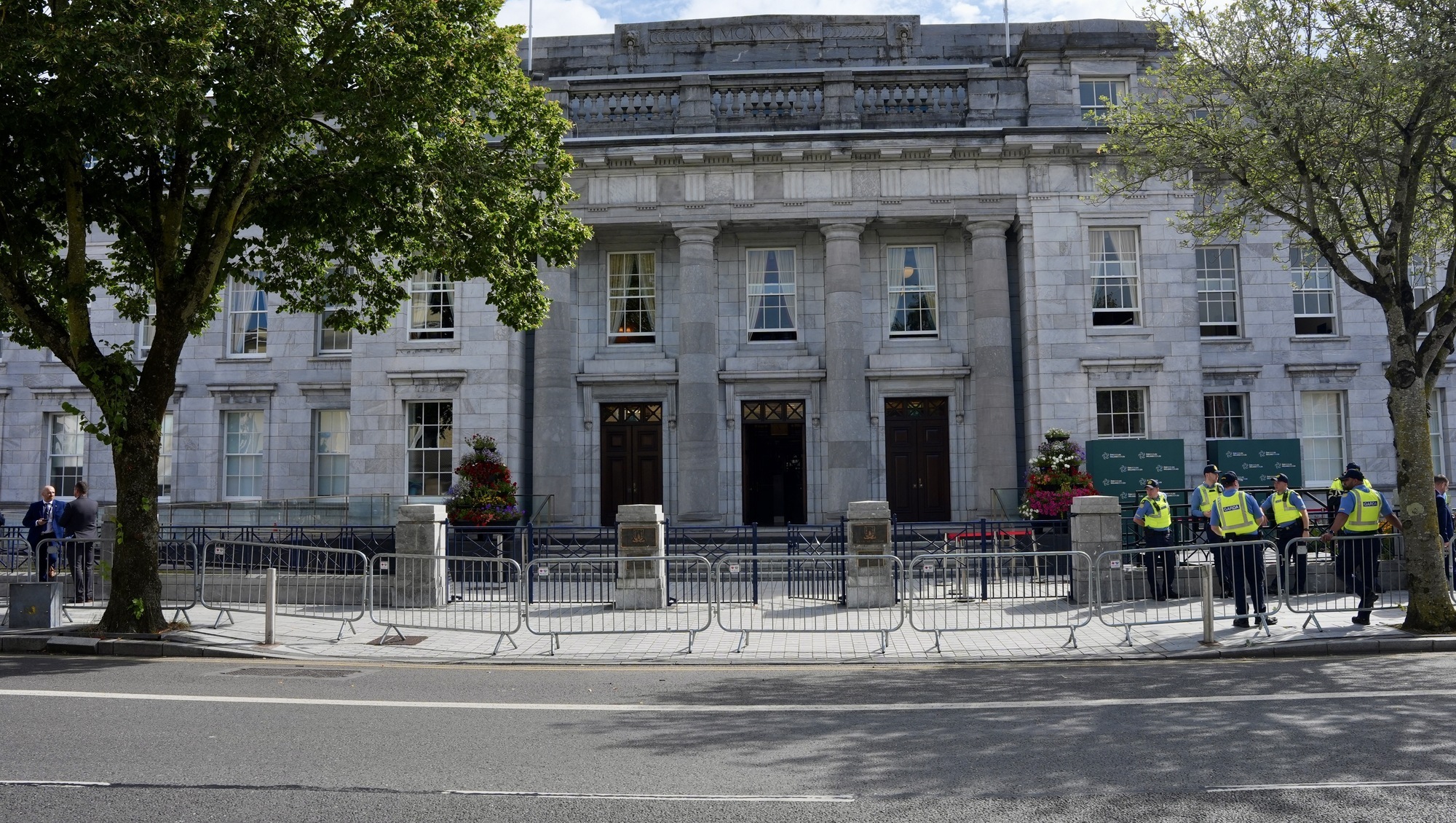
 An informal of EU fisheries ministers is taking place at Cork City Hall. Picture: Noel Sweeney

An informal of EU fisheries ministers is taking place at Cork City Hall. Picture: Noel Sweeney

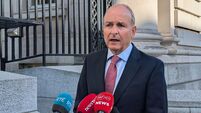
Ireland will fight for fisheries in the upcoming EU budget, the marine minister has said.

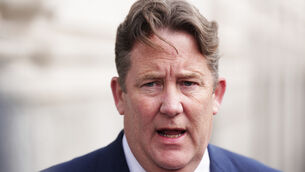
Martin Heyden was speaking at the informal meeting of EU fisheries ministers, which took place in Cork City Hall under a heavy Garda presence.

The minister acknowledged the current difficulties in the sector, with many who work in it saying it is in crisis.

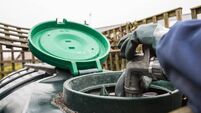
The spike in fuel costs driven by the war in the Middle East worsened conditions for those in the sector, but the Department of the Marine responded, Mr Heydon said, securing some €15m in emergency payments to fishers, which will be issued in “the near future".

And while Ireland can respond in an “agile” way to such pressures, a more long-term view must be taken to improving EU fisheries policy and regulatory frameworks, he said.

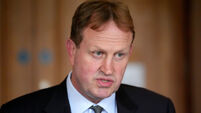
With current quotas, it is very challenging for the sector to survive, minister of state for fisheries and the marine Timmy Dooley said.

“I don't think that the common fisheries policy is fit for purpose now,” he said.

Ireland will be an “honest broker” in leading negotiations during the EU presidency, he said.

“Minister Heydon and I will work very closely on that in an effort to ensure that we try to build consensus. Fish stocks are depleting.

We've got to look at the conservation measures that need to be put in place to protect those stocks for the future, but we've got to support the industry and the catching sector and the processing sector through that transition phase.

Commissioner for fisheries and oceans Costas Kadis thanked Ireland's EU presidency for putting generational renewal at the centre of this week’s meetings.

“Generational renewal is a precondition for a thriving and sustainable fisheries and aquaculture sector,” Mr Kadis said.

“Who will be fishing in 2040? Who will be running our aquaculture farms, working in our processing plants, keeping our coastal communities alive?

"Today, in many fishing communities across Europe, the average age is above 50. Young people are not entering the profession in the numbers we need.

“Coastal and rural areas are losing population.” 

To ensure generational renewal, the EU must first ensure that there are healthy fish stocks, he said.

“There is no career at sea without available fish, and available fish exists in a healthy marine environment,” Mr Kadis said.

Economic performance is also key as young people will enter the profession if it pays and if banks will finance projects, he said.

Working conditions must also be a focus to ensure workers are safe and operate on a modern fleet.

Fishers' role must also be respected, not only for their harvest but for the coastal communities they create and the data they collect, often being the first to see what is changing in our seas.

Ministers raised issues such as fleet investment, the energy transition, the need for simplification and reduction of bureaucracy, securing a level playing field for fishers, and support to small-scale fishers, at the meeting in Cork.

The timing of the meeting is critical, Mr Kadis said, as the EU currently has important policy initiatives in the fisheries space under way and discussions in Cork will inform those policy initiatives, he said.

x

More in this section

Politics

Newsletter

From the corridors of power to your inbox ... sign up for your essential weekly political briefing.

Cookie Policy Privacy Policy Brand Safety FAQ Help Contact Us Terms and Conditions

© Examiner Echo Group Limited