EU considers lowering limit to silica dust exposure
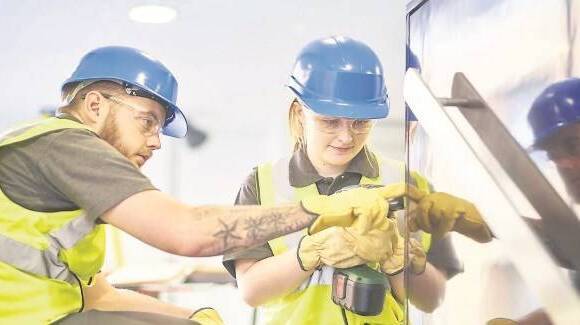
The effects of workplace exposure to carcinogens can be 'invisible' and the consequences are not always immediate, a conference in Dublin heard. File picture
The European Commission is considering lowering the level of silica dust that workers can be exposed to, a conference in Dublin has heard.
Workers in quarries or involved in brick or tile-making can be exposed to crystalline silica dust, which can cause lung cancer and silicosis.
The EU's current limit is 0.1mg/m3 averaged over eight hours.
European Commission official Maria Luisa Cabral, who has responsibility for working conditions, said the commission is considering lowering the acceptable exposure limit to increase protection for workers.
She said that the effects of workplace exposure to carcinogens can be "invisible" and the consequences are not always immediate.
She made the comments at a carcinogens conference held in Dublin by the Health and Safety Authority (HSA), as part of Ireland's presidency of the Council of the EU.
The conference heard information in relation to the five main carcinogens: Asbestos, benzene, silica dust, tobacco smoke, and formaldehyde.
The conference also heard from the Environmental Protection Agency about the higher risk posed by radon in Ireland, which is the second highest cause of lung cancer here.
Elke De Vits, chair of the SLIC Asbestos Campaign Working Group, also warned that an increase in the retrofitting of homes poses a greater risk of exposing workers to asbestos, as the banned material is disrupted in older homes.
"Asbestos exposure is estimated to account for up to 78% of recognised occupational cancers in the EU," she said.
"[Green build projects across Europe] are accelerating the renovations of existing buildings to improve energy efficiency, which is really necessary.
"But as more older buildings are upgraded, workers are increasingly likely to encounter asbestos.
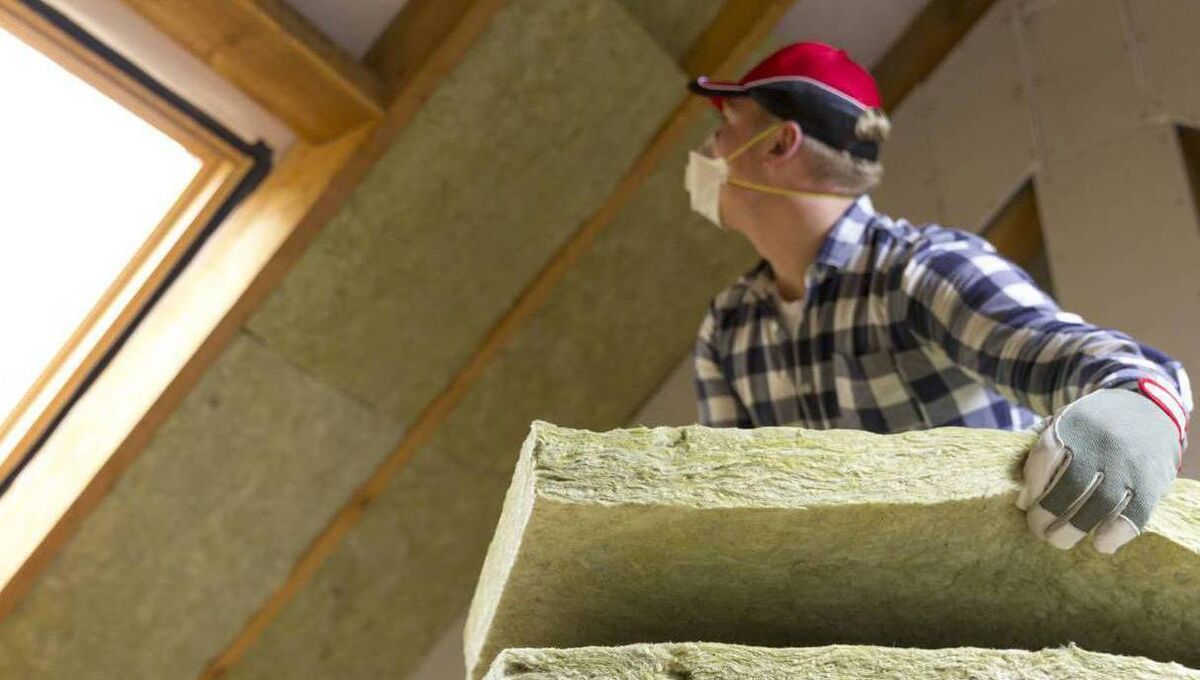
"Renovating activities such as drilling, cutting, or demolition can disturb asbestos-containing materials and cause hazardous asbestos fibres to be released.
"So it makes sense that renovation workers are particularly at risk of exposure."
Chief executive of the HSA Mark Cullen said a person's ill-health related to exposure to carcinogens at their workplace can develop over many years.
"Some of the most serious risks only become evident much later in life," he told attendees.
The Irish Cancer Society's cancer prevention manager Kevin O'Hagan said preventing exposure to carcinogens at the workplace had been "neglected".
The charity has estimated that around 420 cancer cases in Ireland could be directly linked to workplace exposure.
Mr O'Hagan said that a recent public information campaign warned manual workers that they may be at higher risk of developing lung cancer due to exposure from chemicals, fumes, paints, and metal dust.

CONNECT WITH US TODAY



Be the first to know the latest news and updates