Ireland's fishing industry under threat as fish move north due to climate change
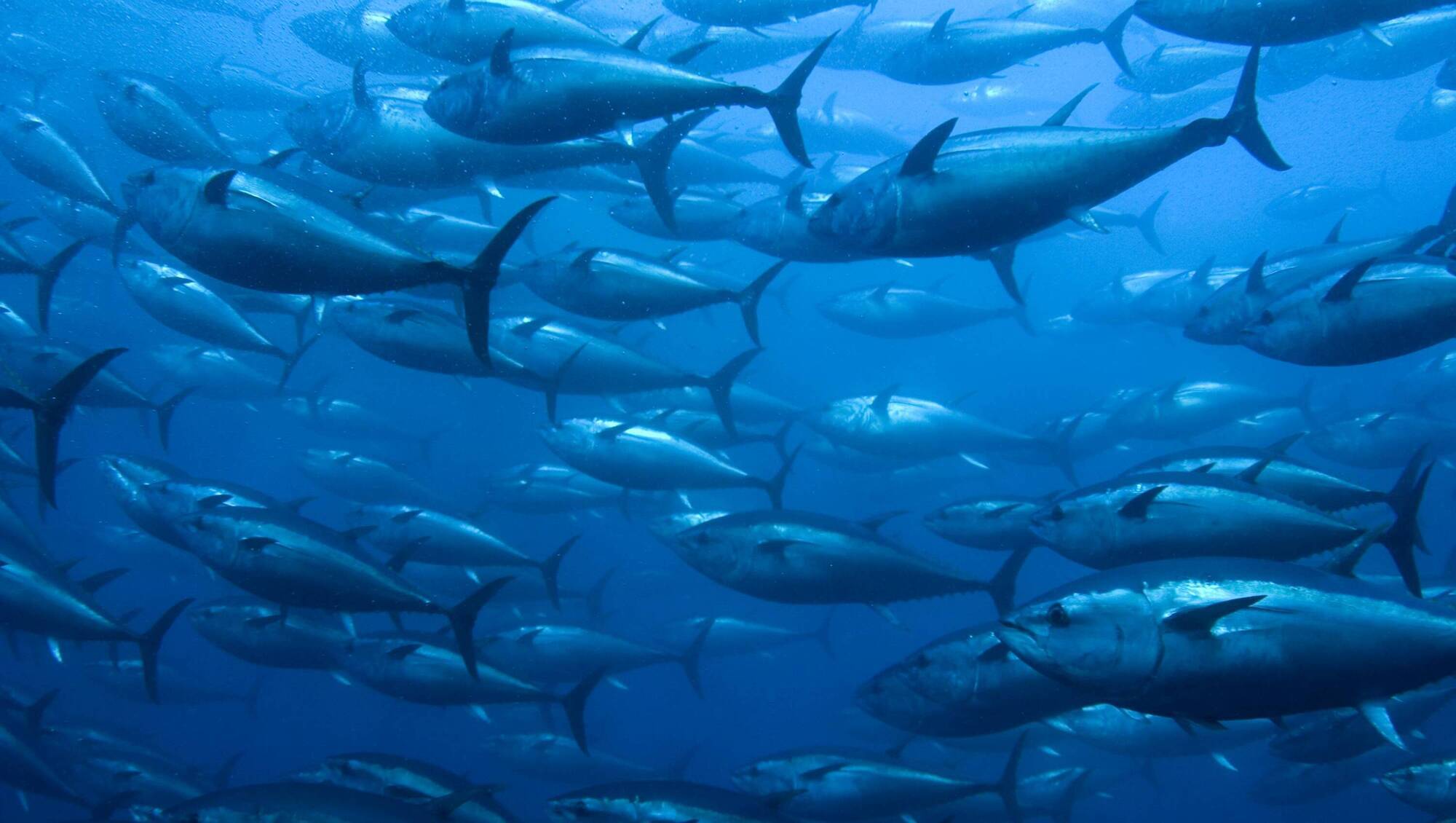
'Climate change is having a negative impact on the fish stocks that are available to us. There are species entering our waters now that we don't have a quota for. For example, bluefin tuna, a very valuable stock.'
As wildfires rage across Europe, climate change is also heating waters so rapidly that fish once plentiful off Ireland's coast have moved north, seriously threatening Ireland’s already precarious fishing industry.
Climate change is also drawing fish more common in warmer Mediterranean waters, like bluefin tuna, towards Ireland’s shores.
But the current fish quotas established by the EU’s controversial Common Fisheries Policy (CFP), do not allow Irish fishers to catch quantities of these species.
The CFP needs significant reform, minister of state for fisheries and the marine Timmy Dooley said ahead of a meeting of EU fisheries ministers in Cork.
“Climate change is having a negative impact on the fish stocks that are available to us,” Mr Dooley said. “There are species entering our waters now that we don't have a quota for. For example, bluefin tuna, a very valuable stock.
“If we could get some quota in a revision of the CFP, that would make life immensely different for some of the smaller scale fishermen, the inshore fishermen who are struggling because of the depletion of opportunities.
Climate change is pushing stocks that are important to Ireland further north and out of the jurisdiction as the fish seek colder waters, Mr Dooley said.
“And we see other species moving in from the Bay of Biscay, such as bluefin tuna. We need to open up opportunities for Irish fishermen and women in relation to that."
Read More
Overfishing of third countries in Irish waters is also a serious concern, he said.
Non-EU countries like Russia, Norway, and Iceland often draw from the same fish stocks as Ireland but are not subject to EU fishing quotas, and this has been an ongoing concern for Irish fishers.
How to assist fishers transition to more environmentally friendly vessels must also be examined, at both the EU and Irish level, he said.
Ireland has committed to securing 30% of its seas as protected marine reserves by 2030.
Ireland has almost eight times more sea space than land, Mr Dooley said, with about 9.5% to 10% of Ireland’s sea space currently designated as marine protected areas.
New legislation, for which the Government accepted the heads of a bill last week, will boost that to 30% by 2030 to meet Ireland’s international commitments.
Ireland has been criticised for its slow progress in meeting marine conservation targets. The European Commission began legal proceedings against the State this year over its failure to deliver marine protected areas as part of its legal commitments under the EU’s Habitats and Birds Directives.
But Mr Dooley said Ireland was not waiting for the new domestic legislation to be enacted to progress on marine conservation.
With EU funding, Ireland has already conducted sensitivity analysis on a number of areas, both on the east coast and the south coast, now moving to the west coast, to identify areas of significant ecological importance so that designations can be made immediately once the legislation is in place, Mr Dooley said.
“I'm very confident that we'll reach the 30 x 30 commitment,” he said.
Those new marine reserves are currently being identified and mapped, Mr Dooley said.
“Then, there will be a consultation phase, because we've got to work with different communities; we've got to work with the fishing sector to ensure that we protect the most important ecologically sensitive areas that will, for example, ensure that spawning grounds are protected for the future.
“I was in Quilty off the west coast of Clare on Monday with Coast Watch, where they've identified the 100th area of seagrass, which is a really important species, that in addition to providing safe ground for the development and hatcheries for fishing stocks, it also has a capacity to take carbon from the atmosphere about 35 times more than just grass on land.”
The Informal Meeting of EU Fisheries Ministers took place in Cork City Hall on Wednesday under a heavy garda presence.
Speaking at the meeting, Minister for Agriculture, Food and the Marine, Martin Heydon, said that enabling generational renewal is the pathway to a sustainable future for fisheries and aquaculture in the EU.
“The sector faces many challenges, and yet, despite these challenges, there is room to improve competitiveness, to increase efficiency, to develop existing and emerging market opportunities, while also contributing to European environmental goals," Mr Heydon said.
“While across European aquaculture total employment remained stable, that stability has not equated to the growth and development of the sector. Across fish processing, while the total number of people engaged in processing has increased since 2014 (+9.5%), the increase is not distributed equally across member states. If we are serious about ensuring a sustainable future for fisheries and aquaculture, then we must provide a genuine entry pathway for young people who are considering a career in the seafood sector.”

CLIMATE & SUSTAINABILITY HUB
CONNECT WITH US TODAY



Be the first to know the latest news and updates