TDs vote to abolish three-day reflection period on abortion
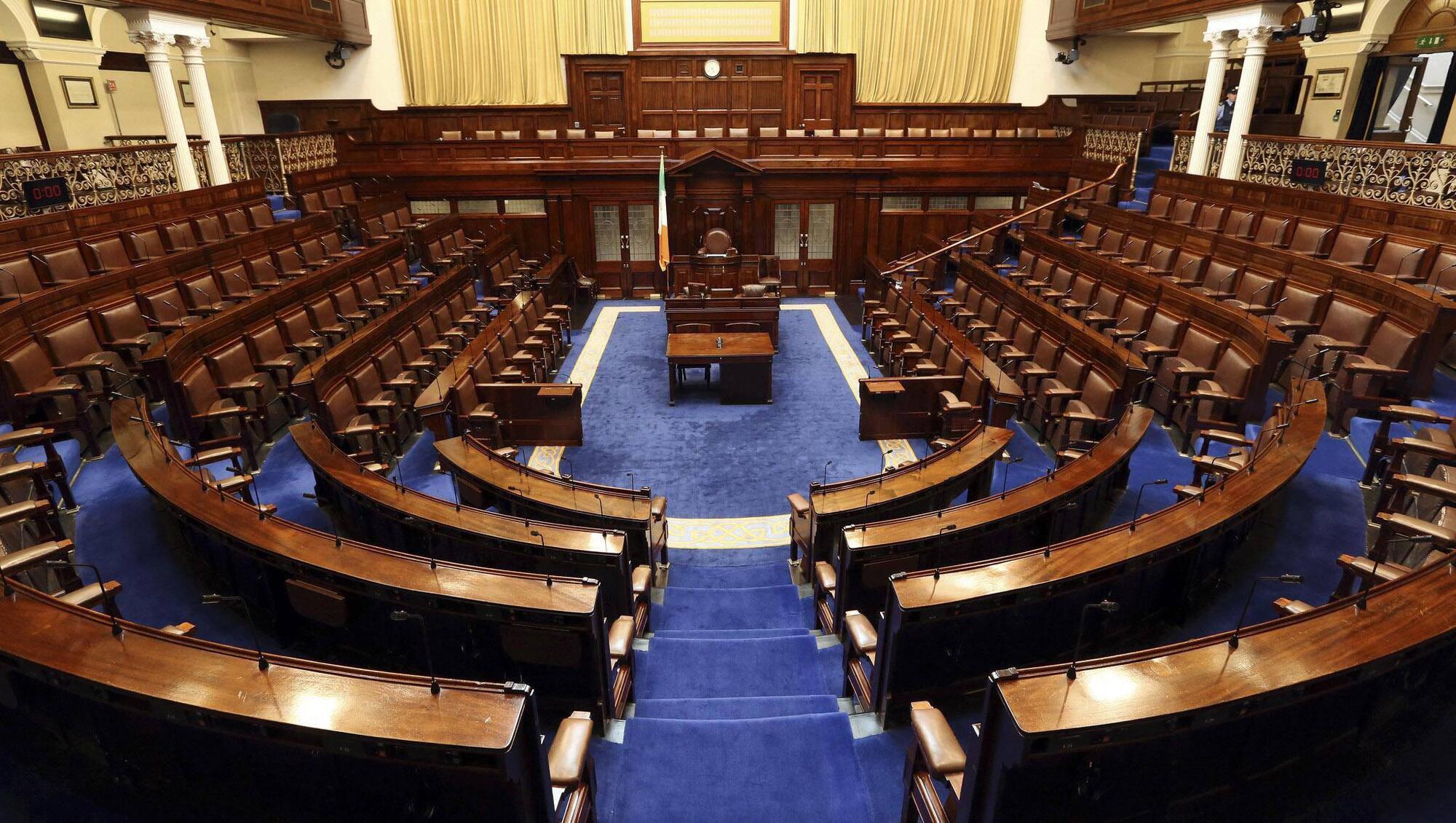
The bill will remove the three-day 'reflection period' time between which a woman requests an abortion, and she can avail of one. The legislation will now be passed to the Oireachtas Health Committee for more detailed scrutiny. File picture: Laura Hutton/RollingNews.ie
The Dáil has voted in favour of passing a Sinn Féin proposal to abolish the three-day reflection period by 86 votes to 70.
There was a split on the Government benches, due to a vote of conscience being allowed, with several Fianna Fáil and Fine Gael TDs voting against the proposal.
Taoiseach Micheál Martin, Tánaiste Simon Harris, health minister Jennifer Carroll MacNeill, public expenditure minister Jack Chambers, and climate minister Darragh O’Brien voted in favour of the Sinn Féin motion.
Children’s minister Norma Foley, social protection minister Dara Calleary, junior minister Sean Canney, who is the leader of the Regional Independents in Government, enterprise minister Peter Burke, housing minister James Browne, justice minister Jim O’Callaghan and agriculture minister Martin Heydon all voted against.
Some 12 Fianna Fáil TDs voted in favour of the Sinn Féin proposal, while 11 Fine Gael TDs voted in favour. Some 23 Fianna Fáil TDs and 30 Fine Gael TDs voted against.
Higher education minister James Lawless, defence minister Helen McEntee, education minister Hildegarde Naughton, and sports minister Patrick O’Donovan were not present for the vote.
The bill will remove the three-day “reflection period” time between which a woman requests an abortion, and she can avail of one. The legislation will now be passed to the Oireachtas Health Committee for more detailed scrutiny.
Read More
In the Dáil on Wednesday afternoon, the Taoiseach reaffirmed that he would support the Sinn Féin plan to remove the three-day reflection period.
He said that a study commissioned to examine the Termination of Pregnancy Act showed that the three-day reflection period was a “recurring feature”.
“Participants expressed a range of views regarding its value and impact,” he said.
“While some regarded it as a procedural requirement that had to be navigated, others viewed it as a barrier or deterrent to accessing care.
“Very few participants considered the waiting period to have been beneficial to their own decision-making process, although some acknowledged that other women might value additional time for reflection.”
Speaking on Wednesday morning, Ms Foley said she would be voting against the Sinn Féin bill.
“I believe that it was put to the people in 2018, that was part of what was put to the people, so I won't be voting to support the removal of the three-day wait,” she said.
Labour leader Ivana Bacik told the Dáil that while she welcomed the Sinn Féin proposal, it did not go far enough.
“What is preventing women from getting the care they need is political squeamishness and cowardice,” she said.
“It is a residual, insulting, patriarchal mistrust of women that forms the basis of the mandatory three-day wait and the Government's unwillingness to engage with the evidence that other change is needed.”
Ms Bacik said that while she was glad that the Taoiseach was supporting the proposals to remove the reflection period if they were passed, “it will not be enough”.
Ms Bacik said that a review conducted by barrister Marie O’Shea found that the abortion system was “failing women and that arbitrary and paternalistic processes were failing women and, indeed, doctors”.
She continued: “It will not be enough, in particular, for women who receive a devastating diagnosis of fatal foetal abnormality and who still have to travel abroad because of the unnecessarily restrictive provisions in the current law.”

CONNECT WITH US TODAY



Be the first to know the latest news and updates