Government 'keeping a close eye' on whether to extend excise duty cuts on fuel
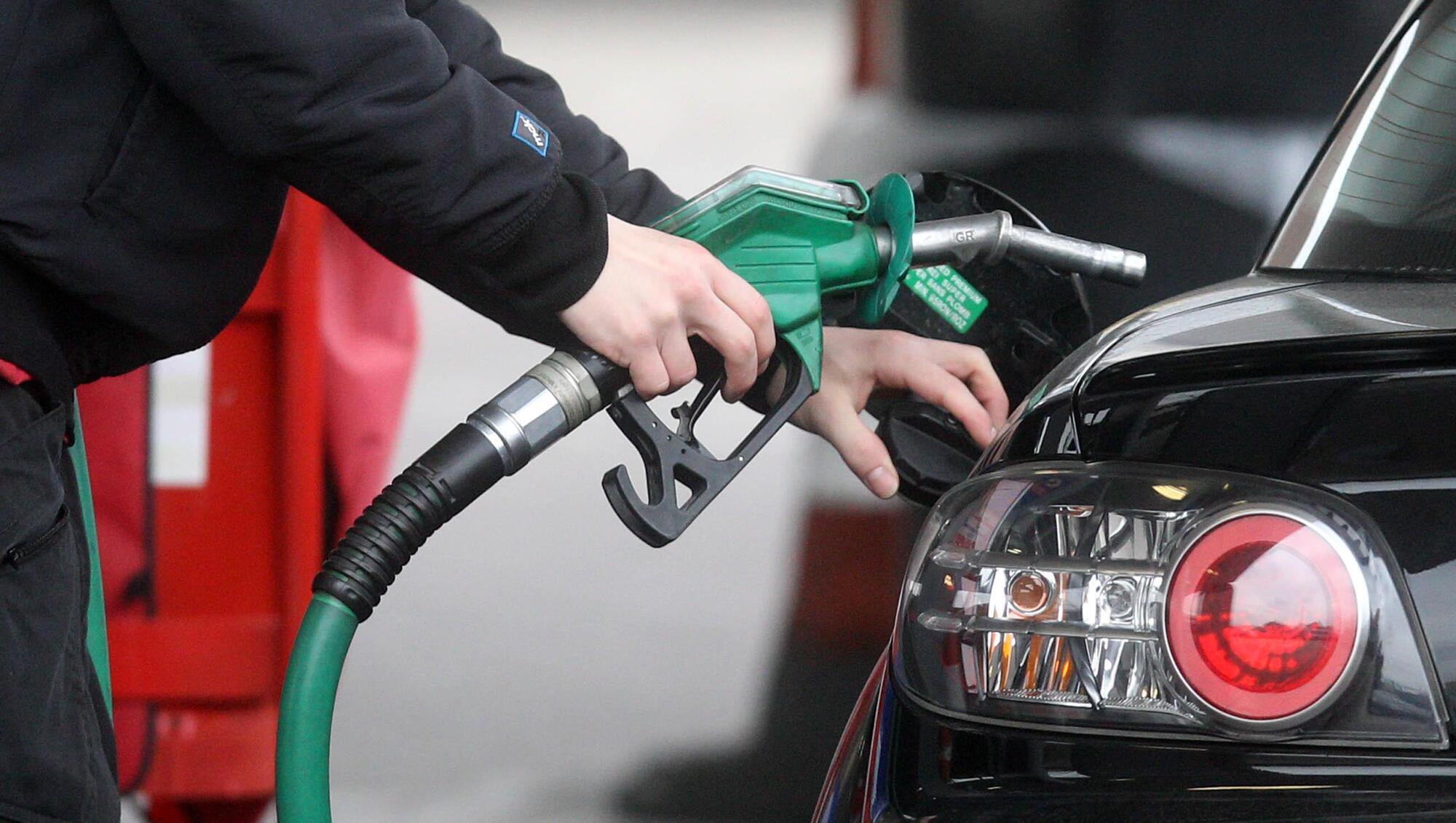
With the excise cuts, motorists are paying 32 cents less for a litre of diesel or 27 cents less for a litre of petrol.
The Government will consider whether to extend excise cuts on fuel over the next two weeks, the Tánaiste has said.
Simon Harris said the tax reduction remained in place until the end of July, adding the situation around oil prices remained “very fluid”.
“We've seen time and time again how volatile the oil markets can be. An announcement is made, it comes to pass, prices go down.
“An announcement is made, it doesn't come to pass, things go back up. So, Government is keeping a very close eye on all of this.”
Cuts were introduced by the Government at the onset of the war in Iran, after oil prices skyrocketed amid the closure of the Strait of Hormuz.
Further cuts were then made to excise duties in April, following on from countrywide fuel protests which brought the country to a halt.
With the excise cuts, motorists are paying 32 cents less for a litre of diesel or 27 cents less for a litre of petrol.
Mr Harris said it was “prudent” to wait for longer to decide on the next steps on the tax cuts.
“We’re in the middle of June. There is still ample time to consider what the most appropriate thing to do is. So, from my perspective, I think we should be considering the next steps on this in around the next two weeks.”
It comes as Taoiseach Micheál Martin signalled the Government would move to cut childcare costs in October’s budget.
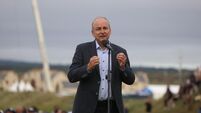
Speaking at the annual National Economic Dialogue, Mr Martin said there were three aspects to improving childcare, including cutting costs, increasing spaces and improving the pay and conditions of workers in early years education.
Mr Martin said the pay and conditions of those workers stands in “stark contrast” to other higher tiers of education.
The Taoiseach also suggested the Government would examine using money within the National Training Fund (NTF) to assist with upskilling workers with AI.
The NTF is a dedicated fund to assist with the training of individuals seeking employment, or those who are in employment and looking to upskill. It is financed through a levy on employers, with an estimated €2bn within the fund.
The proposal had been suggested by business lobby group Ibec, which said the Government needed to invest the project NTF surpluses each year into training for workers in AI integration.
“We will examine that proposal as part of the economic dialogue and certainly as part of the budget preparations,” Mr Martin said.
“I think the training in AI is going to be critical… AI is going to be transformative.
“We really do have to work on the skills element of that.”
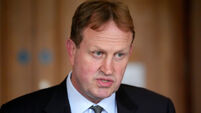
Meanwhile, Mr Harris said the Government was considering increasing the threshold at which people begin to pay the higher rate of tax.
In Budget 2026, the Government opted against any indexation of tax bands, instead using the tax package to reduce VAT for hospitality and on the sale of new apartments.
However, in his speech at the National Economic Dialogue, Mr Harris said the Government needed “to do more”.
He said increasing the threshold at which people pay the higher rate of tax would translate into “higher take-home pay”.
“This is about supporting people who work hard, contribute to their communities, raise families and keep our economy moving,” he said.
CONNECT WITH US TODAY



Be the first to know the latest news and updates