Jack Chambers: 'HSE must cut unsustainable staff spend'
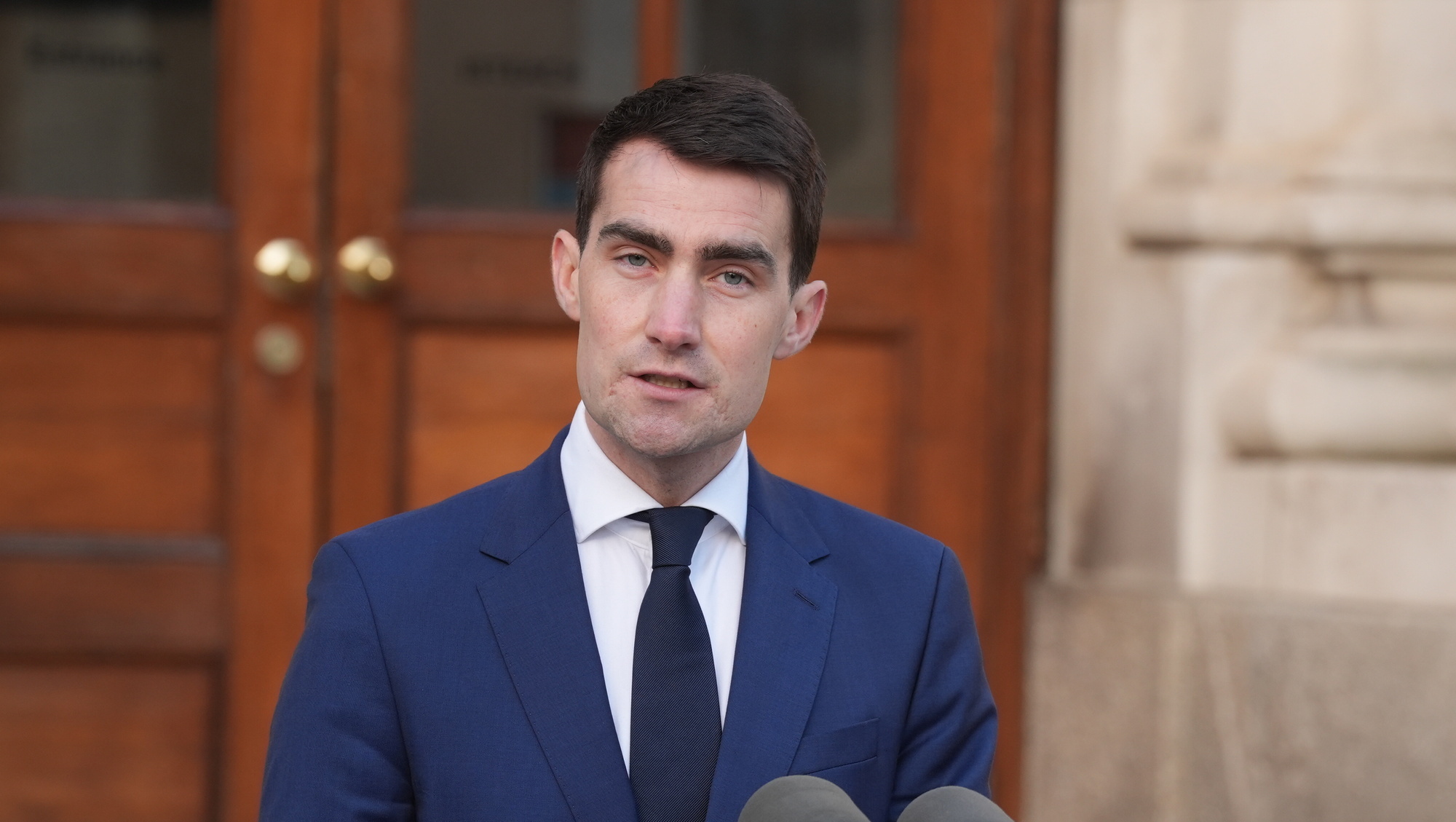
The public expenditure minister said that both agency staff and the number of staff directly employed by the HSE have been growing, arguing this is “not sustainable”.
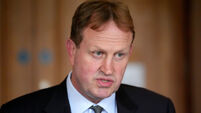
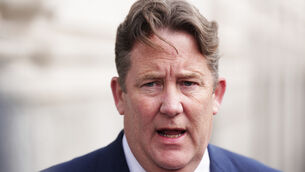
Public expenditure minister Jack Chambers has warned the health service that it must practice “greater budgetary discipline” and cut down on agency staff spending.
The Fianna Fáil minister said that both agency staff and the number of staff directly employed by the HSE have been growing, arguing this is “not sustainable”.
He made the comments as the Government’s mid-year expenditure found that “growth in expenditure and staff” in the health service has “not always been matched by equivalent growth in activity levels”.
Expenditure across Government is expected to reach €118.5bn this year, up from €67bn in 2019.
However, the level of spending growth is expected to moderate in the coming years, falling from 9.4% between 2019 and 2024, to 6% over the period from 2025 to 2030.
Mr Chambers said that the report calls for enhanced efficiencies within departments, as it “makes it clear increasing funding doesn't always translate to better services or better outcomes for citizens”.
He said that the Government must drive reforms to “ensure that every euro spent delivers the best possible outcomes for people”.
He further argued that it is “not acceptable” that there has been a growth in management and admin positions in the health service rather than in frontline capacity.
Mr Chambers also expressed concerns about the “not sustainable” reliance on agency staff, warning the HSE that there needs to be “much greater budgetary discipline” with agency spending.
“If you look at the trend in the last six years, agency [spend] has increased by 150%, while we've had a while we've had a 62% increase in doctors and a 36% increase in nurses,” Mr Chambers said.
“We need to ensure when there's an allocation for agency beside recruitment, that agency reduces as recruitment increases, and that provides for a more sustainable budgetary environment.
“What we've had in elements of the health service is a is an uplift on both, and that's not sustainable. It's a contributor to the significant expansion of health expenditure in recent years.”
All ministers recently had to provide plans outlining planned savings within their departments as part of the “expenditure levies” applied to fill the €646m hole in the Department of Education’s budget.
Mr Chambers said that these plans will be the “starting point” of budget negotiations, warning ministers that if they want to implement new measures, they are the “architects of much of their own fiscal space”.
The report also highlighted how temporary cost of living supports were “difficult to unwind”, with Mr Chambers saying that “permanent measures are more effective” as they provide people certainty and allow “better expenditure planning”.

CONNECT WITH US TODAY



Be the first to know the latest news and updates