Four counties have no domestic violence accommodation, new figures reveal
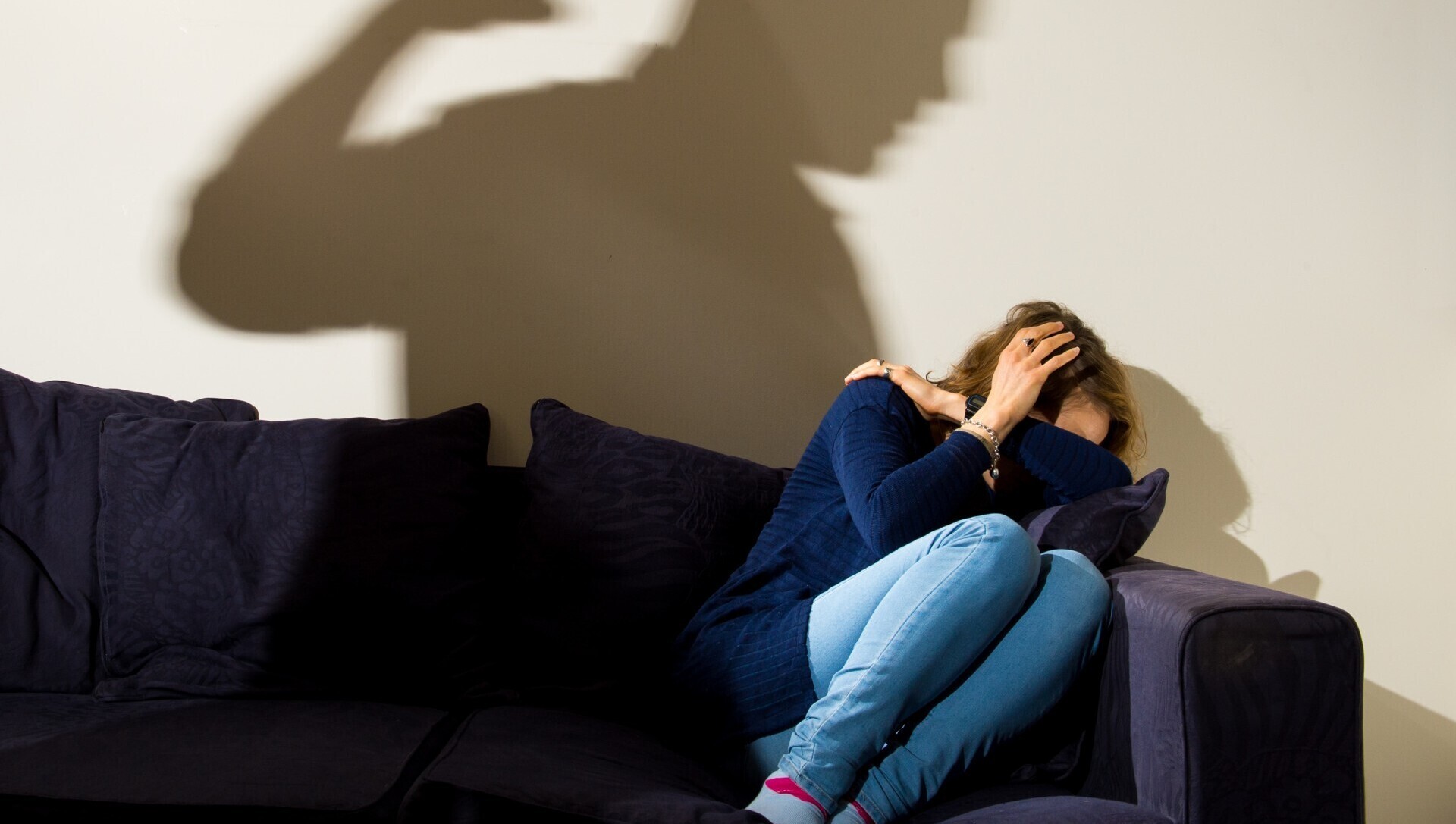
The domestic violence agency Cuan has no record of accommodation in Cavan, Laois, Leitrim, or Monaghan. Picture: Dominic Lipinski/PA Wire
Four counties in Ireland have no domestic violence accommodation, while a further six have fewer than five units in total.
Figures provided to Independent Ireland TD Ken O'Flynn in response to a series of parliamentary questions to justice minister Jim O'Callaghan show that the domestic violence agency Cuan has no record of accommodation in Cavan, Laois, Leitrim, or Monaghan.
Meanwhile, Dún Laoghaire, Carlow, Longford, Mayo, Offaly, Roscommon, Sligo, and Westmeath have five units or fewer.
In December, Mr O'Callaghan said Cuan was working with both Monaghan and Cavan County Councils to “progress the delivery of Safe Homes in each county in 2026”.
Read More
He said Cuan had agreed to "allocate additional resources to Safe Ireland to support it in expanding its services to provide both emergency refuge and safe home accommodation and there is a strong commitment from all partners to progress both models of accommodation in this region".
A 2022 Tusla report recommended that at least 60 new family places or units should be prioritised urgently to address under-provision on a population basis.
Across the country, there are currently 172 refuge units and 60 Safe Home units. A Safe Home is a community-based unit offering temporary accommodation for individuals and families escaping domestic violence and provides more independent living than a refuge.
In his responses to Mr O'Flynn, Mr O'Callaghan said Cuan was established in 2024 as a key measure under and would receive €69m in funding in 2026.
He said all planned refuges for 2026 remain on track.
"Provision of refuges and safe homes is providing vital safety to victims of domestic violence and their families at extremely difficult times as they can also access wraparound supports in these safe spaces that help to provide the conditions necessary for safety and recovery.
"Cuan is collaborating with various stakeholders, including domestic violence services, Approved Housing Bodies, the Department of Housing, Local Government and Heritage, the Housing Agency and Local Authorities to facilitate local action and support service development and delivery of safe accommodation and ancillary services.
"At the onset of the zero-tolerance strategy, there were 49 safe homes and 141 DV refuge units in place. By the end of 2026, the target is to increase this to 94 safe homes,193 refuge units, with an additional 50 units under construction. All refuges scheduled to open in 2026 are on track, including 12 units in Dun Laoghaire-Rathdown expected to be operational in Q3 2026."
In a submission to the UN’s latest global human rights review of Ireland in April — the first in five years — the National Women’s Council of Ireland said many recommendations from the previous review in 2021 remain only partially implemented.
It also warned that the housing crisis is increasing the risk of homelessness for women and trapping many in abusive situations.
“Domestic violence remains a leading cause of homelessness for women and children,” it said.
“Refuge capacity remains insufficient to meet demand and unevenly distributed, with gaps in rural areas and several counties lacking provision.
The organisation also said housing insecurity has increased women’s vulnerability to exploitation, including “sex for rent” arrangements. It argued that a specific offence should be introduced to prohibit demanding or offering accommodation in exchange for sex.