By-election: The talk about Gerry Hutch will subside. At least until the next election
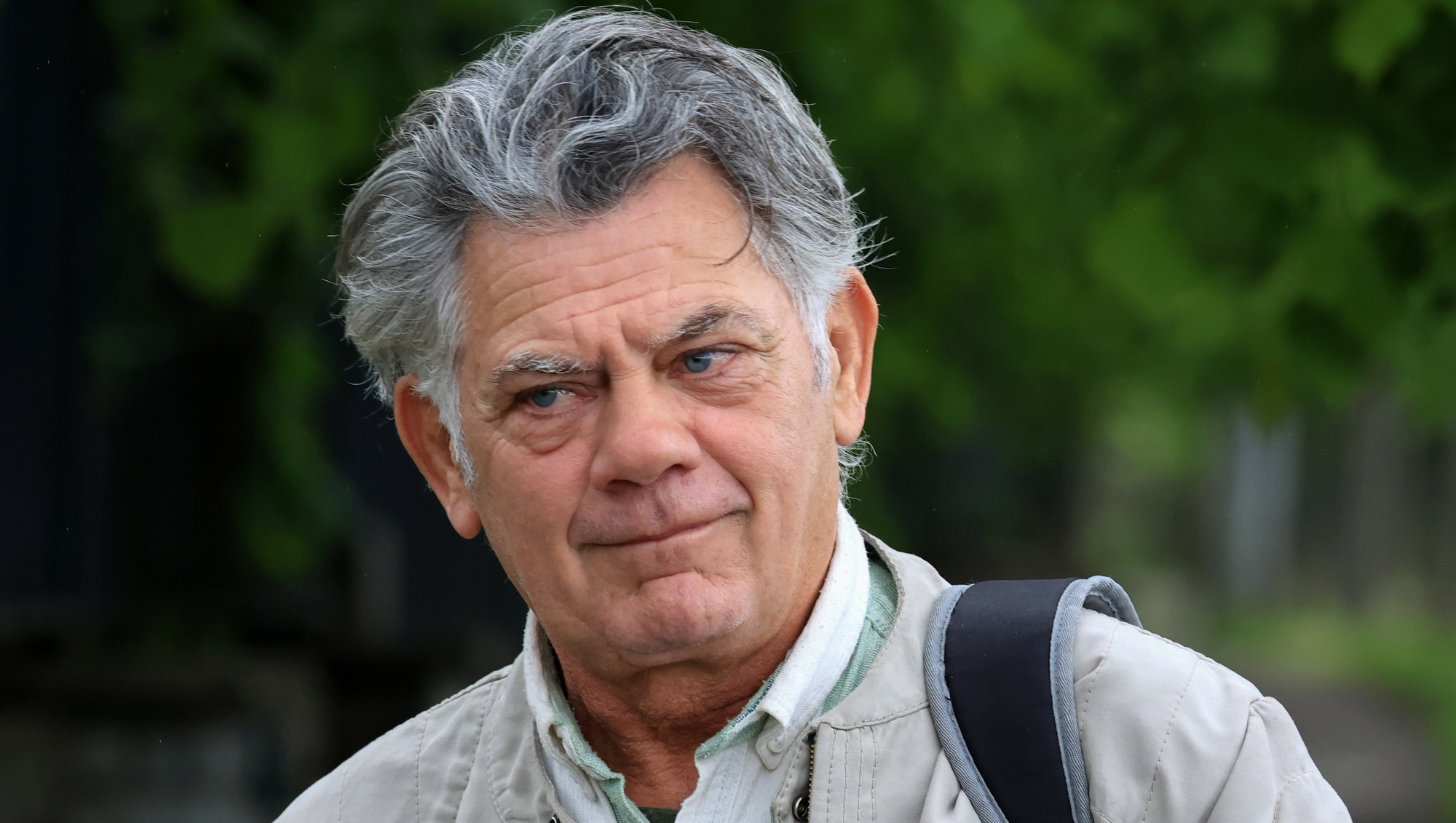
Gerry Hutch. Picture: Colin Keegan, Collins, Dublin.
As he rocked up to the RDS in Dublin, surrounded by media, flashing lights, and intrigue, Gerard ‘The Monk’ Hutch stared straight ahead as he was quizzed on his electoral priorities.
It was two days after the 2024 general election and, after hours of wondering if the veteran criminal would come to the count, here he was in the flesh, within touching distance of winning a Dáil seat in Dublin Central.
“If I got elected in, I would give them the change that they want," he said. "I would do what they want. I would do whatever they want. I will do what they want if I get in.”
It was, putting it mildly, not very clear what Hutch was promising to do if elected.
While most politicians had produced a manifesto or an election leaflet detailing their policies and proposals, Hutch had not.
Read More
Instead, the man named in the Special Criminal Court as the head of the Hutch organised crime group was running on a platform of change, without saying what this change would entail.
And it nearly worked. He fell at the last hurdle, pipped to the post by Labour’s Marie Sherlock.
Despite not really campaigning, The Monk managed to secure 9.5% of first preference votes and make it to the last count.
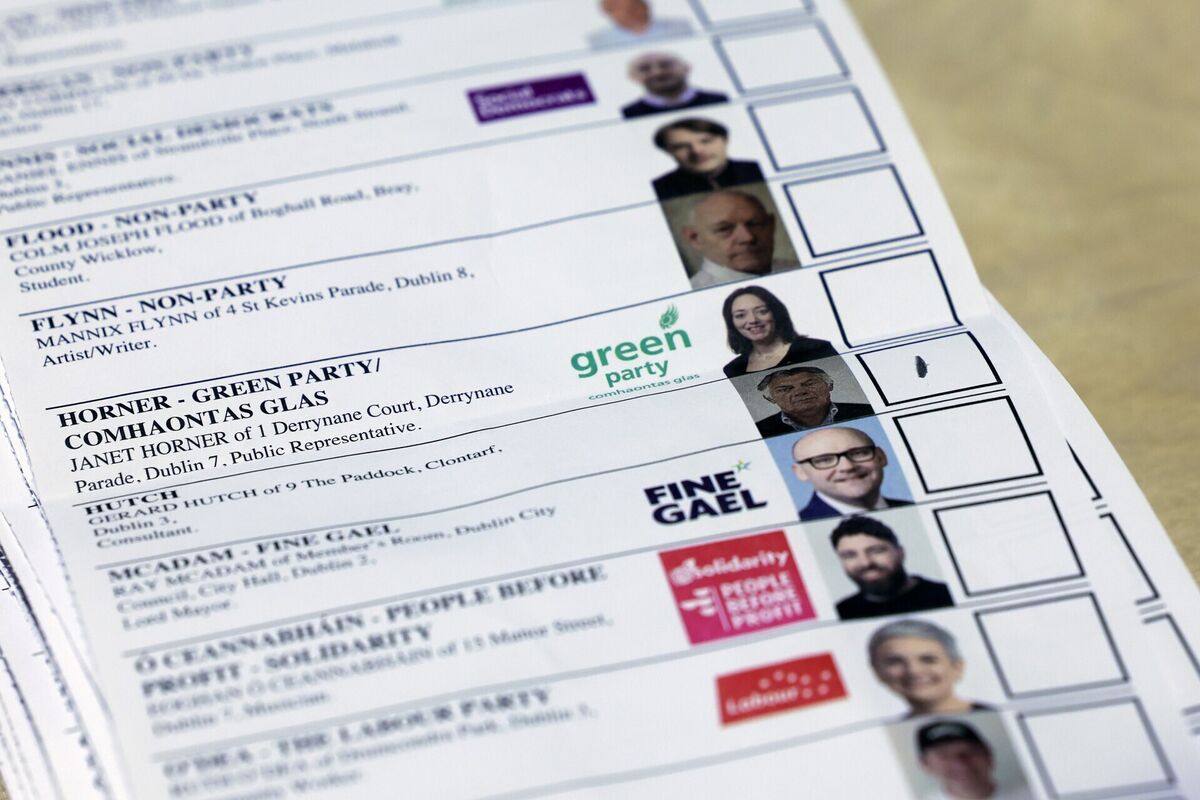
While most assumed that Hutch’s brief dalliance with politics was over, he threw his hat back in the ring for the by-election caused by Fine Gael TD Paschal Donohoe’s resignation in November.
And this time, he did things differently and ran a real campaign, in a bid to suggest that this was more than a bit of a joke for him.
He was on the streets, knocking on doors, and had developed policies.
In a range of Instagram posts, he put these ideas forward. This included the ESB giving every household a €1,000 energy credit to bring the cost of living down, free travel for frontline workers, and “interning” immigrants deemed “illegal” in the Curragh.
In addition, he suggested, no one should be paying income tax until they turn 25.
The real question in the weeks leading up to Friday’s by-election was what impact would this renewed campaigning have?
As the ballot boxes opened on Saturday, it was clear that it had not worked. His first preference vote share jumped to 11.3%, placing him fourth after the first count.
Just like 18 months ago, Hutch could not secure a seat in Dublin Central.
However, unlike that faithful day in the RDS, he was a no-show.
As Daniel Ennis takes his seat in the Dáil this week, the talk about Hutch will subside. At least until the next election.

CONNECT WITH US TODAY



Be the first to know the latest news and updates