Taoiseach claims referenda are 'in the balance' as he appeals for a good turnout
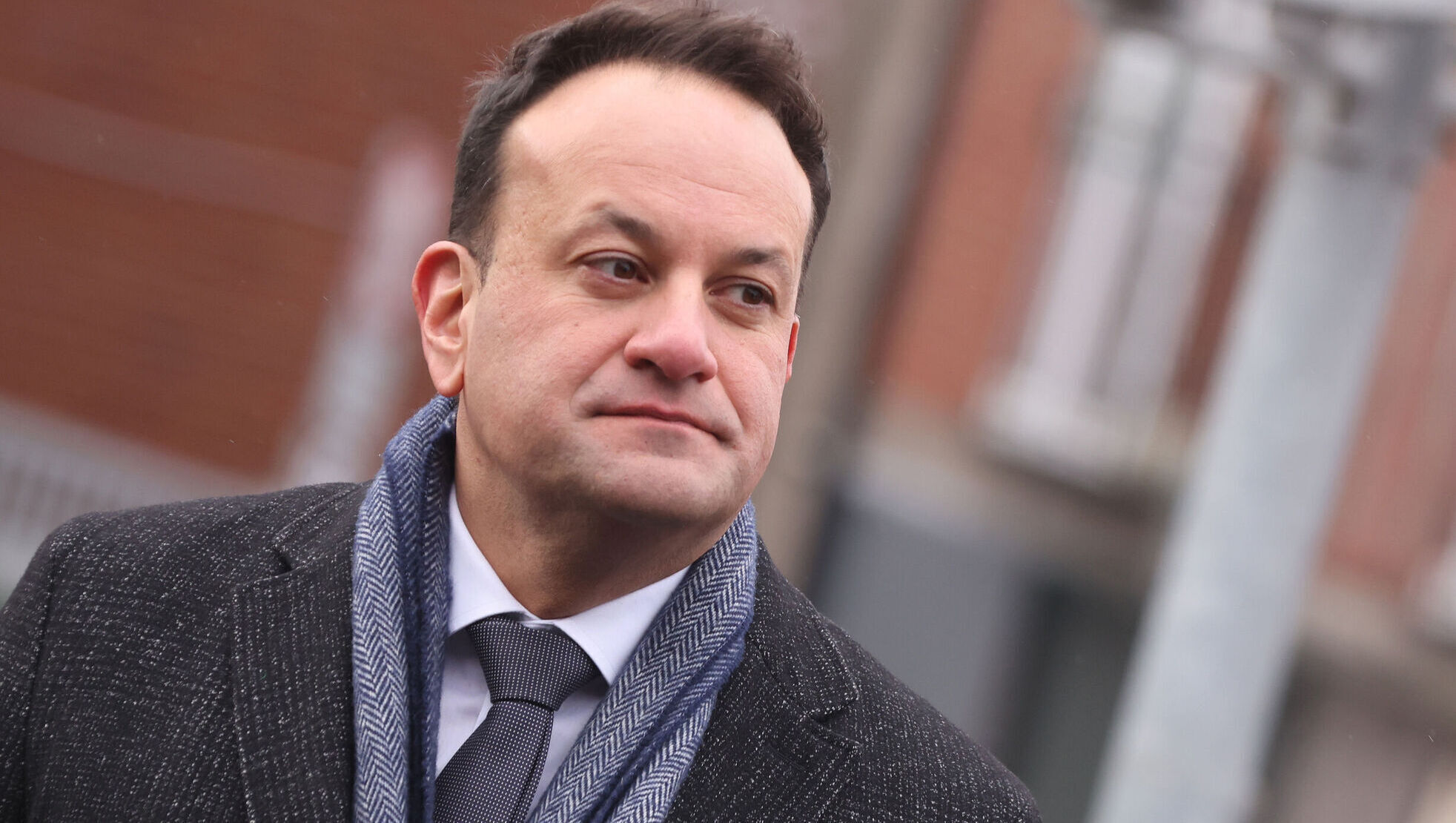
Leo Varadkar said: “I'm appealing for a good turnout. Decisions are made by those who turn up and it's really important that we have a good turnout." Picture: Eamonn Farrell/RollingNews.ie
Taoiseach Leo Varadkar has said the upcoming referenda on family and care are “in the balance” ahead of polling on Friday.
He said that by voting yes in the family referendum, the State would recognise diverse family structures — co-habiting couples, grandparents raising grandchildren, and one-parent families — as real families.
He said that a yes vote in the care referendum would make it clear that family care is not just the work of women or mothers, it should be shared by fathers and sons, and that the State should do more to support it.
Mr Varadkar said that if the public vote against the proposed wording to change the Constitution, it will be a “retrograde step”, adding that there is no guarantee future governments will run a similar referendum.
He said: “I’m certainly not taking the results of the referendum for granted. I do think it's in the balance. A lot of people are really only getting around to thinking about how they're voting now.
“I'm appealing for a good turnout. Decisions are made by those who turn up and it's really important that we have a good turnout.
“It is a referendum that does matter. If there's a no vote on Saturday morning, hundreds of thousands of children in Ireland will wake up to hear that Irish society has decided that their family isn't a constitutional family, isn’t an equal family, just because their parents aren't married. That’s not right.
“When it comes to the referendum on care, if there's a no vote, we will have very outdated language in our Constitution that will be there for the foreseeable future and we will be deciding not to recognize family care in our Constitution."
The Taoiseach acknowledged that there has been a lot of “misinformation” surrounding this referendum, including around what will or will not be considered a durable relationship.
Mr Varadkar described a durable relationship as a “long-term, committed relationship that's caring, built to last, accepted as such and treated as such by society”.
He added: “People are trying to make out that you can accidentally find yourself in a durable relationship or that some sort of clandestine relationship could be a durable relationship. That's not the case.”
On suggestions that the proposed change to a definition of a family could lead to greater levels of family reunification, Mr Varadkar said that “people who are married to a migrant person at the moment don't have an automatic right to reunification” and “that's not going to change”.
There have also been questions about what happens to property if a person leaves a marriage or a durable relationship and starts another durable relationship. Mr Varadkar said that laws on inheritance and succession are based on the “contents of the Succession Act”.
He also said there is no guarantee that any future government would re-run the referendums if they do not pass.
CONNECT WITH US TODAY



Be the first to know the latest news and updates