Fresh concern over UHL overcrowding as 65 patients wait more than 24 hours for beds
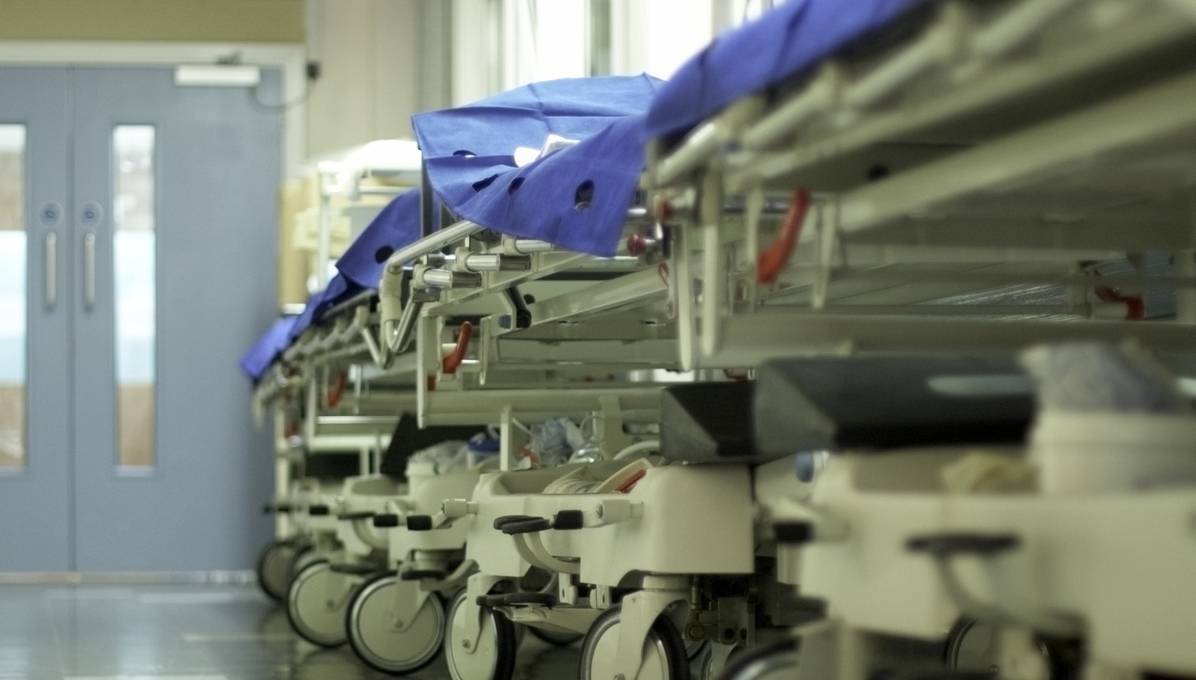
The figures come amid growing tensions between patient advocates, HSE Midwest, and the Irish Nurses and Midwives Organisation (INMO) about overcrowding at the hospital. Stock picture
Sixty-five patients waited more than 24 hours for a hospital bed on Wednesday, including four people aged over 75, according to HSE figures highlighting continuing summer pressures on the health service.
University Hospital Limerick (UHL) accounted for the highest number of long waits, with 16 patients spending more than a day on trolleys by Wednesday morning.
The figures come amid growing tensions between patient advocates, HSE Midwest, and the Irish Nurses and Midwives Organisation (INMO) about overcrowding at the hospital.
Patient advocates warned against directing people away from the hospital, saying some may delay seeking treatment when they need urgent care.
HSE Midwest said overcrowding is caused by “a long-standing structural mismatch between patient demand and available capacity”. It pointed to reports by health regulator Hiqa and the ESRI which indicated hospital bed shortages are at a crisis point.
However, HSE Midwest said concerns raised by the INMO in the media this week about the management of patients did not reflect the situation on the ground.
It said the union “failed to acknowledge the independent evidence underpinning the challenges at UHL and risks misrepresenting the nature of the issues facing the hospital".
A chairperson has been appointed by the Government to lead the board overseeing plans for a new hospital in the Mid-West region and a wider programme of healthcare reforms, following a delay in filling the role.
The HSE also urged the public to use the most appropriate healthcare service for their needs. It said: “Patients with life-threatening or very serious conditions should attend the emergency department or call 999/112. For non-life-threatening illnesses or injuries, people should consider the range of alternative care options available.”
Patient advocates have long called for changes in the region.
The Midwest Hospital Campaign said: “Are HSE Midwest suggesting that people should not be attending UHL for conditions that could be treated elsewhere?
“Are people being asked to self-diagnose? That seems to be the consensus from people who have contacted us. They find the inference deeply insulting to patients who are already suffering.”
A spokeswoman pointed out that many GPs across Clare, Limerick, and north Tipperary are not taking on new patients, explaining that some areas do not have a full-time GP while injury units close at 8pm.
“Nobody chooses to spend hours or days lying on a trolley, sitting in a chair, or lying or sitting on a hospital floor. People attend UHL when they are sick,” said the spokeswoman.
“Shifting responsibility onto patients is deflecting from the real issues which are the chronic lack of primary care services, GP shortages, and years of underinvestment that have left UHL overwhelmed.”
The INMO counted 614 patients on trolleys in hospitals across the country. While UHL was the busiest at 113 without a bed, there were 69 patients on trolleys in Cork University Hospital and 53 at St Luke's in Kilkenny.
Earlier this week Tipperary Independent councillor Seamus Morris asked Limerick Fire and Rescue Service (LFRS) to asses fire safety risks at UHL.
A spokesman for Limerick City and County Council said on Wednesday that the service has a close working relationship with the hospital.
“The emergency department in UHL was inspected by LFRS in recent weeks, which included oversight of a planned fire evacuation exercise to assess emergency procedures and evacuation arrangements,” he said.
The service also does fire safety inspections, monitoring compliance with fire safety standards, and pre-incident planning on site. It has assessed UHL’s fire safety plans including for evacuations.

CONNECT WITH US TODAY



Be the first to know the latest news and updates