'I'm always in the garden with the birds': The story behind huge Cork aviary and how rare birds are worth €2,000
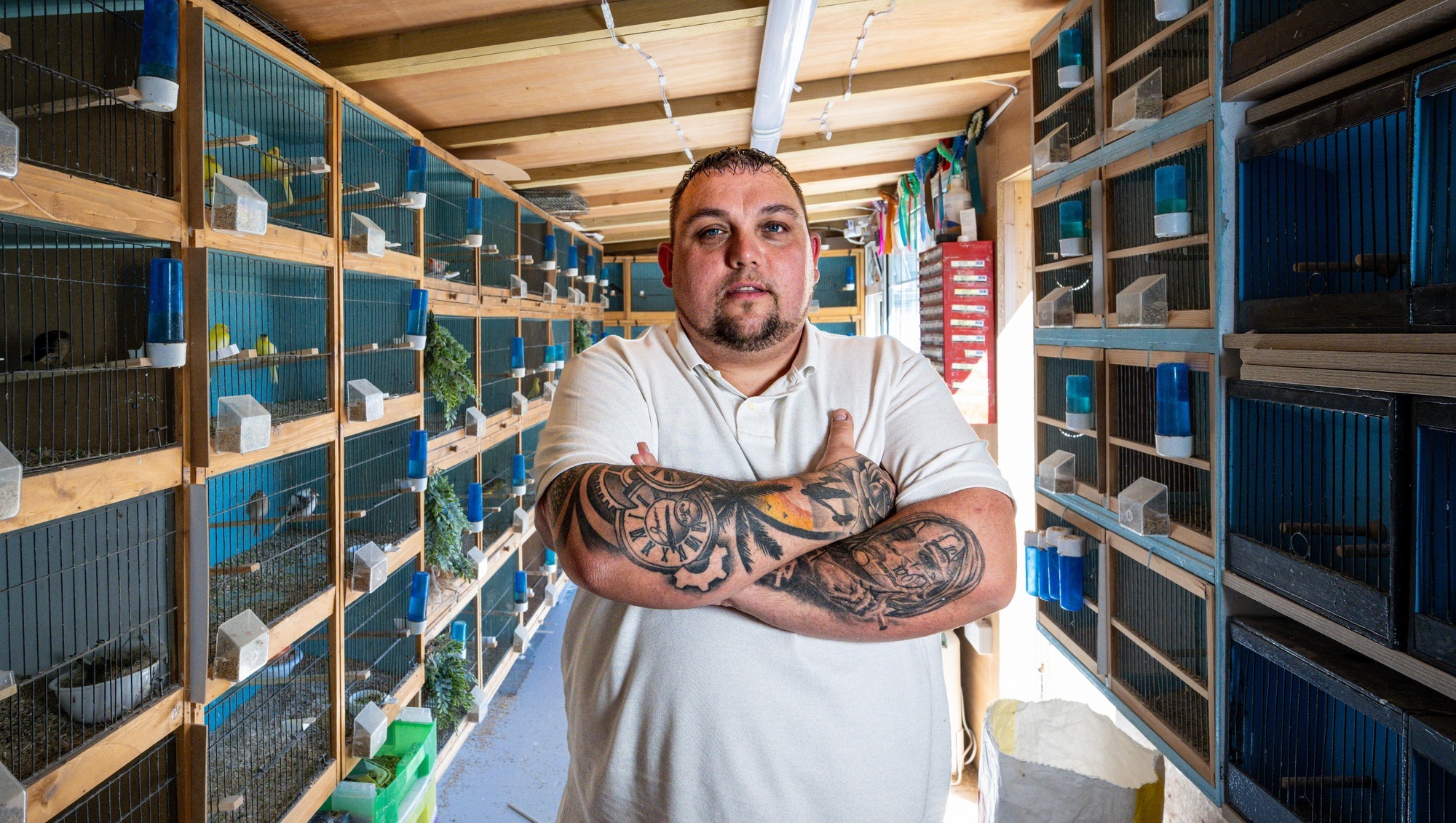
Larger than life and covered in tattoos, Paul Weems cuts an unlikely figure among the delicate show birds he breeds in the shed he built behind his Mahon home — a peaceful world away with the birds that has become his pride and joy. Picture Chani Anderson
Paul Weems has always favoured the melody of his hundreds of birds over pub songs on a Saturday night.
The proud owner of one of Cork’s largest collections of winged creatures says you won’t find him sipping pints or placing bets in the bookies on any given weekend. He prefers instead to seek solace in his beloved aviary, even if it’s just to clean out the myriad enclosures.
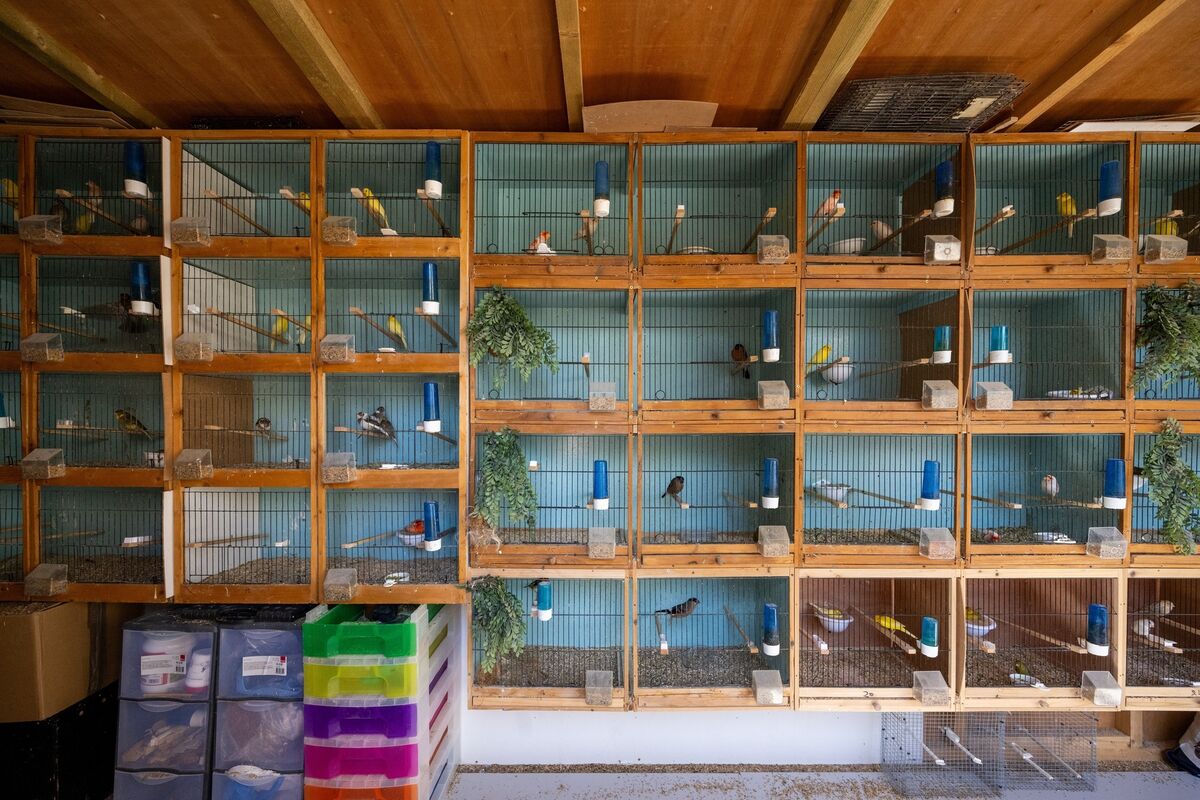
With a collection of more than 150 feathered friends, Paul has dedicated much of his life to the rewarding, albeit expensive hobby. The 20ft by 10ft shed located in his garden in Mahon — which is home to all manner of bird species — was constructed with his bare hands.
The 41-year-old loves nothing more than breeding rare birds, some of which can fetch nearly €2,000.
Read More
Paul says he is not interested in the monetary aspect of his passion, preferring the buzz of entering them in shows above anything else.
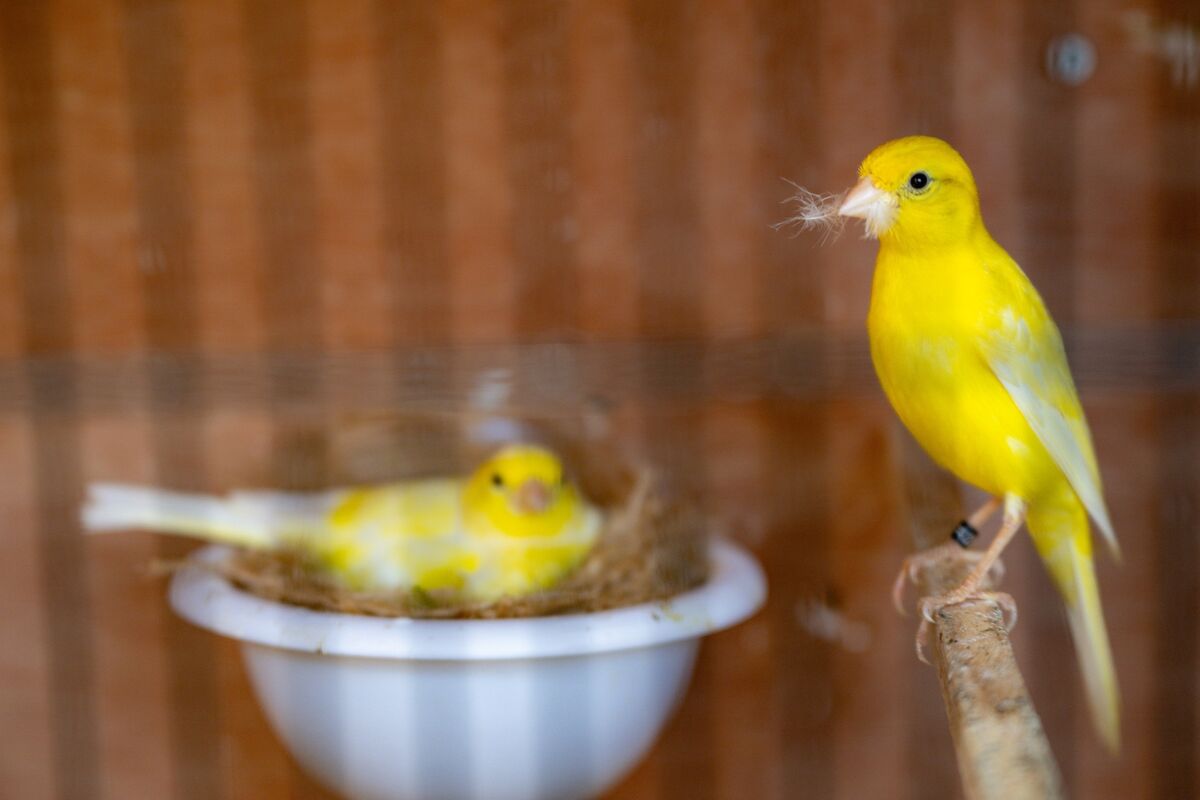
Irish fancy canaries and red factors are among the birds he is breeding, though he plans to narrow his collection down to two breeds with a focus on red mosaics.
Paul, from the outskirts of Bristol, previously bred racing pigeons. “From a very young age, when I lived in England, I was always fascinated with pigeons. My uncle had them. They never ceased to fascinate me when I saw them during the holidays.
"I was racing pigeons from the age of about 19. At the beginning I only had around 20 but once I got into it and was racing nationally and internationally, I had nearly 200. I would send them to France, only to have them back home again five hours later.
"There was one bird who I bet on every time I sent him out because he was really good. I lost him one day and he got killed by a hawk. I was gutted.
"That’s just nature though so there is nothing you can really do about it.”
An incident that forced Paul to part with his birds after the breakdown of a relationship still haunts him
“I was going to race the pigeons in the garden that season but I had to give what I could away. Some had to be culled. If anyone left any of the birds out, they would come back to the house. All the sheds had been knocked down at that stage.
"It was then that I packed up and moved to Ireland. I made a decision there and then that I would never race pigeons again but I will never stop breeding birds.”
Paul says he still has fond memories of that time. “I’ll never forget when they were racing from France one day and there were about 1,000 pigeons flying over my house.
"There was no way they could have all been mine but I shook the tin to call them. Some of my pigeons dropped out of that big batch. The others had just got liberated from the race but they were all still together.”
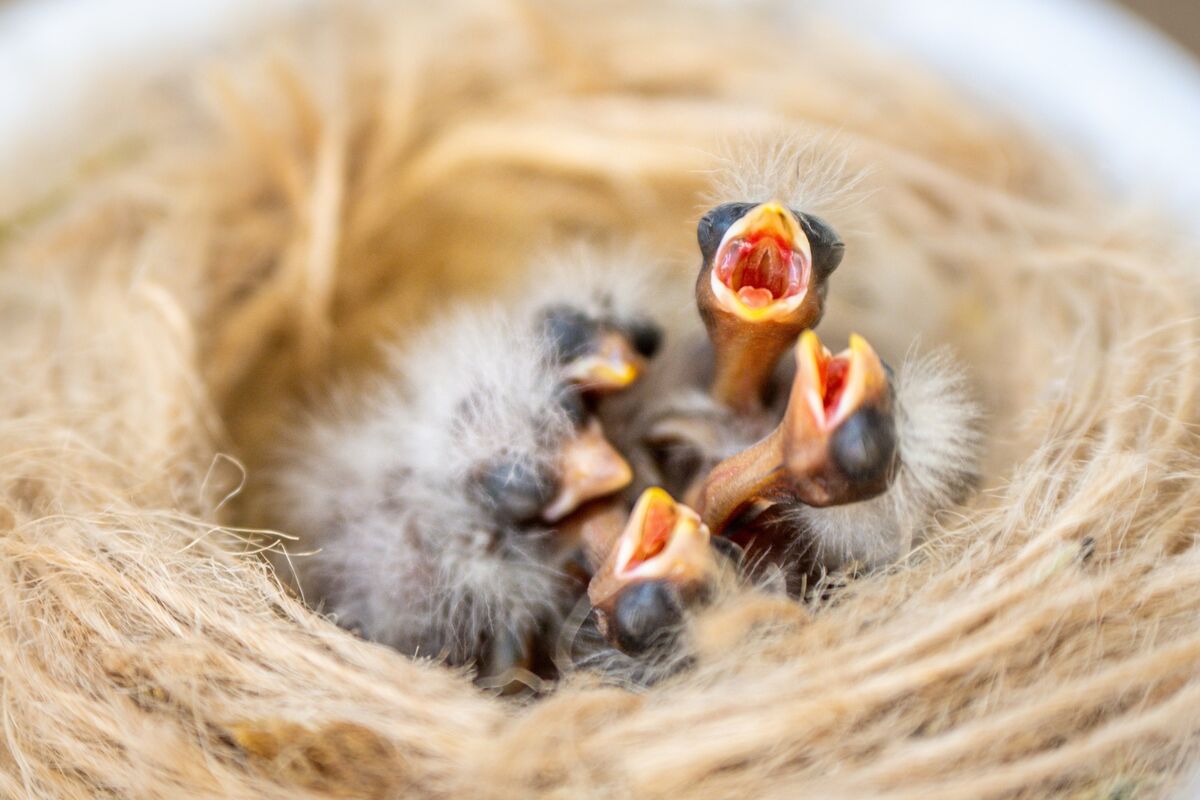
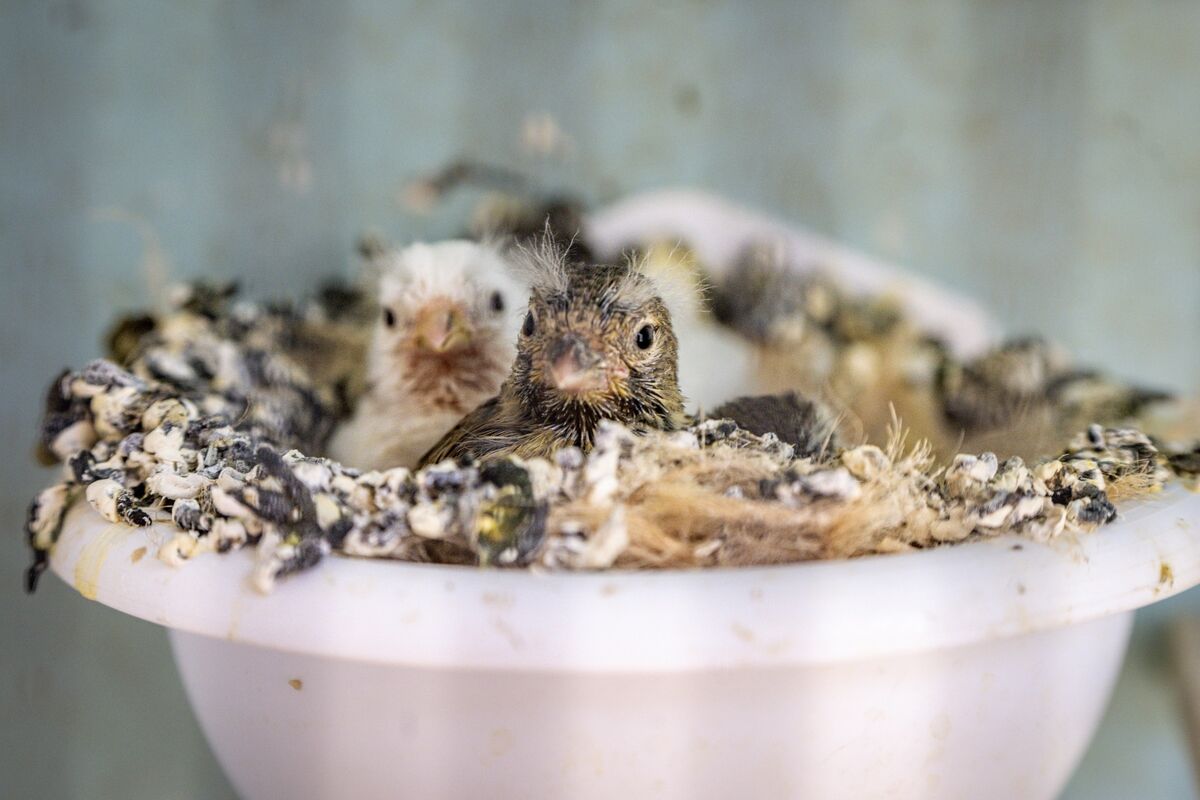
Breeding rare birds can often be a lottery. “I’m currently crossing a greenfinch with a bullfinch. It’s her first time being a parent and bullfinches are very highly strung at the best of times.
"She laid her first eggs on the floor and broke them so what I started doing was putting a towel underneath trying to catch them. I managed to save two because if they turn out to be cock birds they will do really well. This is because they are hard to breed so they excel in shows and can be quite valuable.
"I love breeding because I get great satisfaction from the markings and colours it produces when you put certain pairs together. The whole reason you breed is to get the best looking birds.
"There are people from all over Ireland competing in these shows. It’s very competitive. You can’t even be in the room when the birds are being judged. They are put in random order so you might have between 500 and 1,000 birds.
"I’ve won my class but I’ve never had best in show so that’s something I’m always striving for.”
A father of two, Paul has a stash of dummy eggs which are artificial replicas of real eggs used in birdkeeping and poultry farming.
“I have numbers that correspond with what’s on the cages. This means that if there are real eggs in there and I give them dummy eggs it prevents the real eggs from hatching at different times. The main thing is that all the birds get fed equally to prevent the youngest one from dying.”
Paul’s partner Therese is very supportive of his hobby. “Therese comes and feeds them while I’m at work,” he says.
“Her dad keeps birds which was actually how we met. She has grown up with this so understands what breeding them entails.”
He says the birds have also helped keep him out of trouble. “I’m not out drinking, smoking, or in the bookies. If anyone rings me they will know where I am and that’s always in the garden with the birds. I find them so peaceful to listen to.
"It’s no different to having a blackbird in the trees. Even the neighbours love them.”

CONNECT WITH US TODAY



Be the first to know the latest news and updates