University Hospital Limerick nurses in tears as trolley numbers mount
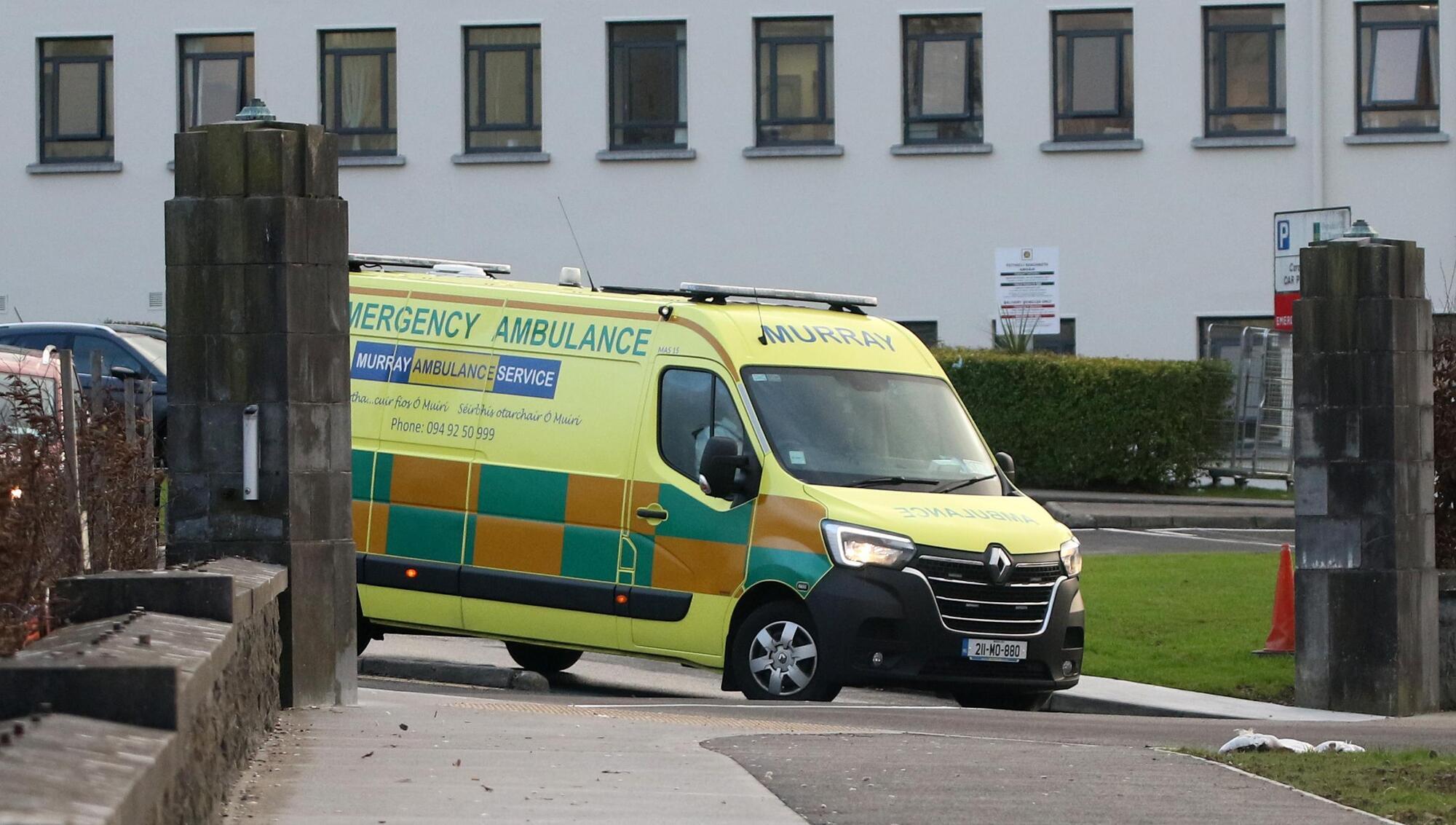
University Hospital Limerick was again the worst in the country with 76 patients on trolleys. Picture: Brendan Gleeson
Nurses in tears, patients on chairs or trolleys — just another overwhelmingly busy day at an overwrought University Hospital Limerick (UHL) emergency department.
Irish Nurses and Midwives Organisation (INMO) assistant director of industrial relations Mary Fogarty tells of the volume of upsetting calls she gets from nurses struggling to cope with the growing pressures.
“What leaps out at me is the level of distress when the nurses contact us, the level of distress that they have, emotionally distressed and needing time out from that workplace,” she said, adding they are “absolutely” crying on the phone.
“Nobody is programmed to work in that type of environment all of the time, you might do it for one or two shifts but not all the time.
She has been well-versed in UHL's emergency department crisis for a number of years, so she is acutely aware of just how bad things are at the minute. Changes are urgently needed this month, she said.
“The issue really immediately is to ensure that the senior decision-makers are available and on-site during this crisis period, 24/7 or else as close to 24/7 as is possible,” she said, referring to emergency department consultants.
“What UHL would need immediately is those decision-makers present to see patients, to expedite decision-making, and also the reintroduction of mandatory mask-wearing in congregated settings.”
The hospital car park is the first sign of pressures with few empty spaces. Inside the building, patients sit chatting on chairs while staff in blue scrubs bustle past, eyes on the ground.
When the began speaking to patients outside the building, two security guards quickly approached. As one patient, with a cannula in hand while resting on a bench and smoking, began to describe their experience, the guards intervened. The patient stuttered to a halt as they insisted media could not interact with anyone inside the gates of the campus.
On the pavement outside, near a mostly empty ambulance bay, staff members vaped and smoked, jokingly chiding this reporter for suggesting it looked quiet. As they quickly walked off, one said “don’t say that word”, implying it could put a jinx on the day.
However, Ms Fogarty stressed that while UHL is particularly badly affected this week, it is far from the only site.
“It’s not possible to give care to that volume of people. The ratio one would expect is that a nurse shouldn’t have more than seven patients in her care on a general ward. Anything above seven is demonstrated to be unsafe.”
National trolley figures counted by the INMO may have dropped to 838 yesterday, from a record peak of 931 the day before, but that is still far higher than previous January figures. Yet again, UHL was the worst in the country with 76. Is it any wonder nurses are in tears?