Owner of English language school in Limerick gave 'materially misleading statements' to court
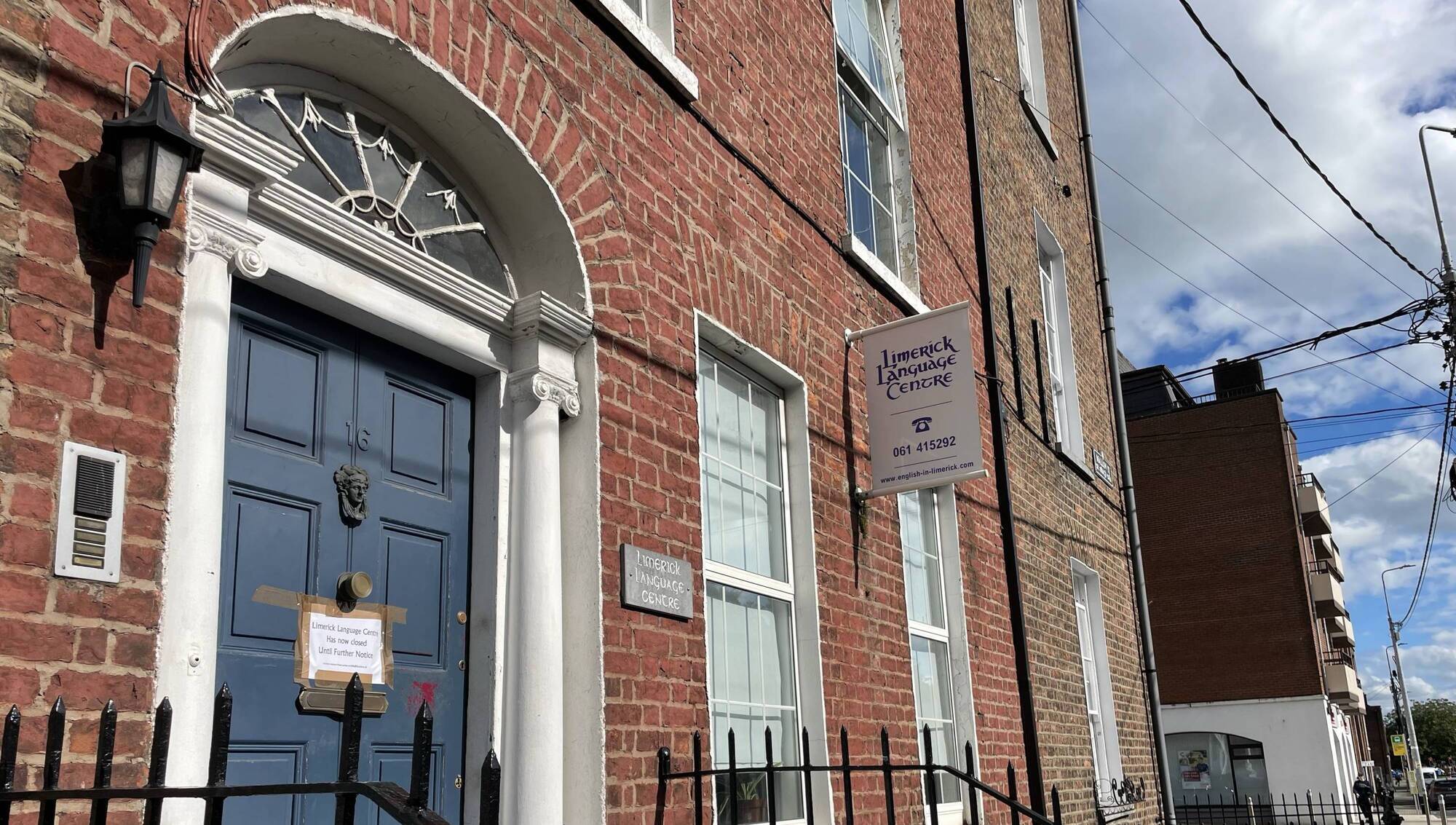
The judge made his comments in a judgment in which he refused a stay on a decision of the Department of Justice to remove the Limerick Language Centre from an eligibility scheme whereby people from the non-European Economic Area (EEA) could apply for student visas to study English in Ireland. Picture: Manon Gilbart
A High Court judge said the owner of an English language school, which announced its closure last month, gave sworn statements which proved “materially and inexcusably misleading”.
Mr Justice Cian Ferriter said questions had been raised over the statements of Limerick Language Centre (LLC) sole shareholder and director, Sharif Ahmed Sarker, after the court was told on behalf of a Pakistani agency that €50,000 paid for 29 prospective overseas language students had not been repaid despite claims that all refunds had been made.
There was also a complaint from that agency about an alleged practice by the LLC of deducting "accommodation fees" from refunds even where the relevant students never travelled to Ireland and never occupied any accommodation, the judge said.
The judge made his comments in a judgment in which he refused a stay on a decision of the Department of Justice to remove LLC and another school from an eligibility scheme whereby people from the non-European Economic Area (EEA) could apply for student visas to study English in Ireland.
The scheme was called the interim list eligible programmes (ILEP) for student immigration permissions for English language programmes.
Non-EEA students, which the court heard were mostly South Americans, paid the school fees in advance pending approval of their visas and if they did not get the visas the money was to be refunded. Significant numbers of students paid through agents.
On July 24 last, following complaints about refund difficulties and an investigation by the Department of Justice, LLC and Erin College, which operates English teaching outlets in Dublin and Cork, were dropped from the ILEP scheme.
The schools brought separate High Court proceedings challenging those decisions against the ministers of Justice and of Further and Higher Education who opposed the challenge.
In his judgment, given last month and published this week, dealing with both challenges, Mr Justice Ferriter refused a stay on the decisions.
He said it seemed to him, from the evidence, that both schools had displayed "a fundamental disregard" for the core requirement of the ILEP that fees paid by all student applicants which ended up with colleges were required to be ringfenced pending visa decisions.
Their approach to agency-sourced student application fees "created obvious risks for the security of such fees in the event the businesses ran into difficulties", the judge said.
This may explain why both schools struggled significantly to meet refund applications for visa-refused students within the stipulated 20-day periods and where significant numbers of their students were sourced via agents, he said.
In relation to claims of reputational damage to the schools if a stay on the decisions was not granted, the judge said he could not overlook the reality that both had inflicted such damage on themselves by being in admitted breach of the requirements of the ILEP.
The evidence before the court, including that from the Pakistani agency about deductions by LLC for accommodation for students who never came here, demonstrated that LLC's "current reputation in this sector is far from unblemished, and it only has itself to blame for that state of affairs," he said.
The court would not grant the relief being sought by LLC on the basis of averments (from Mr Sarker) “that have proved materially and inexcusably misleading”, he said.


CONNECT WITH US TODAY



Be the first to know the latest news and updates