Possible industrial action could exacerbate crisis in Ireland's prisons
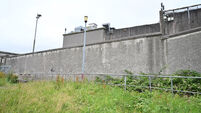
Prison numbers have been hovering around 5,800 all this week — over 1,100 above the maximum possible capacity, which has been expanded, in large part, by bunk beds and mattress on the floors of cells. Photo: Moya Nolan
The crisis in the country’s prison system could deteriorate further next week as prison officers vote on possible industrial action over faltering pay talks.
The national executive of the Prison Officers’ Association (POA) said the dispute is over marginal pay increases falling well behind inflation.

The potential for industrial relations strife comes as the overcrowding crisis continues to overwhelm the prison system.
Prison numbers have been hovering around 5,800 all this week — over 1,100 above the maximum possible capacity, which has been expanded, in large part, by bunk beds and mattress on the floors of cells.
There is particular concern at the threat of violence in certain prisons, particularly those with small, Victorian cells, like Mountjoy, which is currently almost 40% over its maximum capacity.
Gabriel Keaveny, deputy general secretary of the POA, said: “Given the ongoing overcrowding crisis across prisons nationwide, the widespread presence of drugs and other illicit substances in the prison environment, and the continuing escalation in violence, there can be no doubt that the need to address prison officers' pay is both urgent and justified.
“The Government must recognise the increasingly challenging and dangerous conditions under which prison officers work and move without delay to resolve this critical issue.”
He said that in line with the recent decision of the ICTU Public Services Committee (PSC), the national executive council of the POA will meet in Dublin next week to discuss the options open to its members if a basis for public pay talks cannot be agreed.
“Prison officers, in line with other civil servants, have seen pay fall significantly behind rising prices in recent years and this is simply neither acceptable or sustainable,” Mr Keaveny said.
“The majority of our members are men and women with mortgages to pay and families to support. It is disappointing to learn that at a recent exploratory meeting with the PSC, Government representatives did not set out a clear and credible approach to aligning pay and living standards, at the commencement of the process.”

He warned: “At our meeting next week, it is expected that our NEC will decide to hold a national ballot on the pay talk issue and will be advising our members to vote for industrial action, up to and including strike action, unless significant progress can be made as a matter of urgency with Government.”
Mr Keaveny said unions had pointed out to the Government that inflation was running at 3.6% in May, more than wiping out the benefit of the 1% increases paid in February and June.
- Cormac O'Keeffe, security correspondent