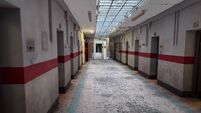
Prisons overcrowding: IPS says capacity 'absolutely exhausted' with inmates near 6,000
On March 28, there were 5,826 prisoners in the system — an increase of 1,270 prisoners since the same date in 2023.
Irish Prison Service (IPS) boss Caron McCaffrey has said the organisation has “absolutely exhausted” its ability to stretch spaces in jails to house inmates.
Prisoner numbers have hovered between 5,800 and 5,900 this year, where the maximum possible capacity is 4,740 — meaning that around 1,100 people are being put either into bunk beds or forced to sleep on mattress on cell floors.

Speaking to the media at the annual conference of the Prison Officers Association (POA) in Kilkenny, Ms McCaffrey said 700 bunk beds have been placed into single cells.
In addition, between 540 and 615 inmates are sleeping on mattress on cell floors since the end of March.
The IPS director general said it has managed to create 350 extra spaces in the last three years, with a further 150 being created between now and the end of 2027.
“We are in the process of putting an additional 150 bunk beds into the Midlands Prison — but certainly we are at the stage now where we have absolutely exhausted our ability to stretch the number of people being held in our prisons,” she said.
On March 28, there were 5,826 prisoners in the system — an increase of 1,270 prisoners since the same date in 2023.
That is an increase of 29%. In the same period, bed capacity grew by 328, or 7%.
POA deputy general secretary Gabriel Keaveny said prisoner numbers are heading for the 6,000 mark and that it is “nigh-on impossible” for officers to try and manage these numbers, along with the rising levels of violence, drug use, and chronic mental illness.
He said it is “just unsustainable” for the situation to continue.
Ms McCaffrey said the Government has provided €500m in capital funding over the lifetime of the administration and that this would create 1,500 new spaces.

Speaking later at the conference, justice minister Jim O’Callaghan said overcrowding is a “complex issue” but that he had established a building programme that “should have been put in place years ago” to keep up with a rising population.
But he called on district court judges to choose community sanctions for criminals convicted of less serious crimes and said he is still committed to introducing a pilot electronic tagging later this year.
Ms McCaffrey said, pending the completion of the capital building projects, the IPS has to “manage with ever-increasing risk”.
She said: “We have worked with the State Claims Agency to help us with a risk assessment of all the activities in the Irish Prison Service that are impacted because of overcrowding.”
IPS figures show total assaults on staff have jumped 40% — from 219 in 2024 to 306 in 2025. This includes 132 direct physical assaults (up 23%), 60 aggressive/threatening incidents (up 161%), and 114 physical interventions (up 28%).
In addition, there has been a 37% rise in prisoner-on-prisoner violence, from 874 in 2024 to 1,197 in 2025.
“Increasing levels of violence in prison is a byproduct of overcrowding, there’s no doubt about that,” she said.
She said that she had paid €20m in staff overtime to maximise staff numbers on landings and said that for the first time ever, total staff numbers had topped 4,000.
In relation to demands from the POA for members to be provided with body-worn cameras, batons, and incapacitant sprays, she said batons would be piloted in Cork Prison in the summer, with body-worn cameras beginning a national rollout later in the year, starting in Mountjoy.
She said legislation allowing for prison officers to use pepper sprays is expected to pass the Oireachtas this summer.