Young people from non-Irish backgrounds much less likely to participate in GAA, UCC research finds
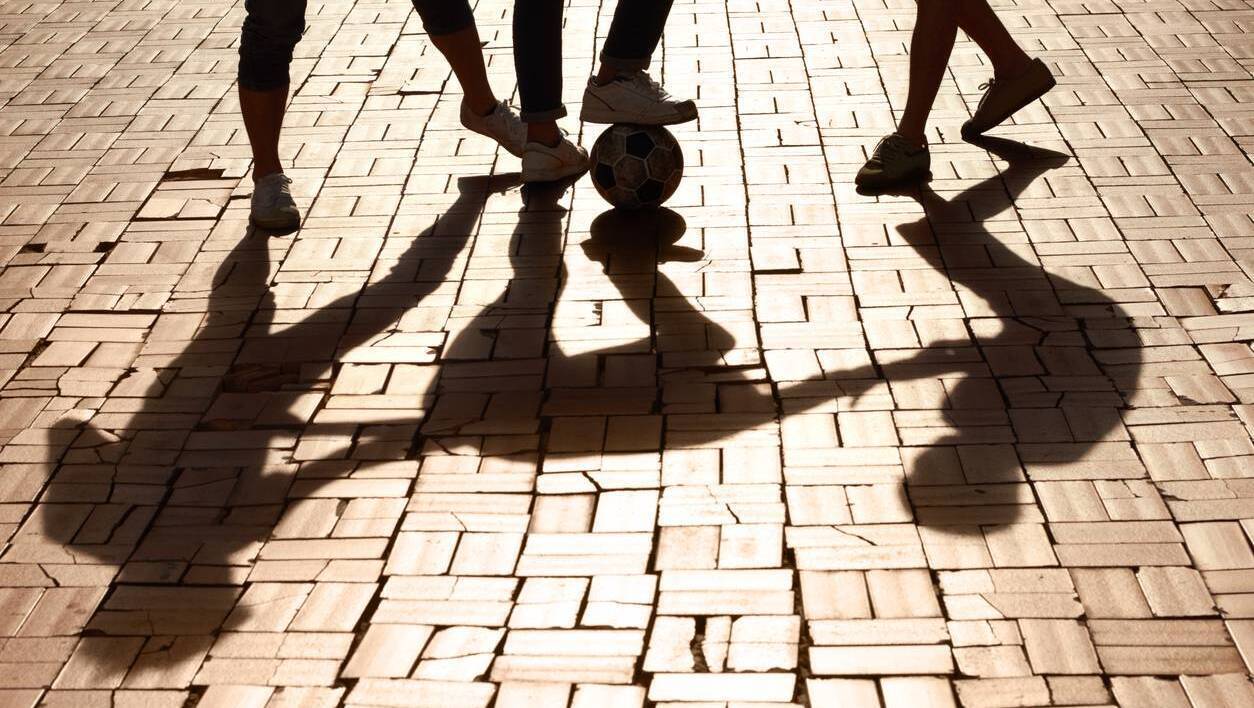
East Asian students were 87% less likely to play Gaelic football and 95% less likely to play hurling or camogie through school compared to their Irish peers, while African and North American students were about two thirds less likely to play Gaelic football through school. Picture: iStock
Young people from non-Irish backgrounds are significantly less likely to participate in GAA due to challenges in finding pathways into the sport, a combined study by UCC and UL has found.
The research, published in the by Wesley O'Brien (UCC) along with Kwok Ng and Catherine Woods from UL, found there were statistically considerably more Irish people who participated in Gaelic football than all the non-Irish nationality groups.
Similarly, there were low rates of weekly community sport participation in hurling or camogie by European, Asian and other nationality groups compared to Irish nationality.
East Asian students were 87% less likely to play Gaelic football and 95% less likely to play hurling or camogie through school compared to their Irish peers, while African and North American students were about two thirds less likely to play Gaelic football through school.
“Notably, Irish traditional sports like Gaelic football and hurling, for males, or camogie, for females, are deep-rooted traditions and national identity and can be culturally distanced by other nationality groups,” the researchers wrote.
“Furthermore, family values, income and language issues may reduce opportunities to further participation.
“It is therefore not surprising that participation by non-Irish nationalities in traditional sport extra curriculum activities is low and possibly non-existent.”
The authors also noted the research highlights the importance of creating more inclusive opportunities and ensuring every young person has the chance to participate through sport.
“Sport is deeply cultural and immigration may create barriers to participation in sports linked to national identity and tradition, highlighting the need for inclusive pathways across schools, clubs and sporting organisations.
“Monitoring the participation of sports by nationality group is important for identifying inequalities in access to physical activity and sport among adolescents.”
The study, which also explored sport participation in schools and communities among almost 9,000 young people 10 to 18 years of age, found lower levels of school and community sport participation were reported, particularly for Eastern European and East Asian nationality groups.
The researchers looked at the most popular extracurricular school sports (soccer, Gaelic football, basketball, athletics, hurling, camogie and cycling), with the biggest participation gap existing in GAA.
Daily physical activity was also lower for non-Irish adolescents than their Irish peers, while a lack of diversity in inter-school sporting competitions was also noted by the researchers.
“Another example of exclusion visible from almost all non-Irish nationalities was in interschool sport representation.
“A large proportion of the non-Irish nationality participants did not represent their school within regional, provincial and national sport competitions.”