Cork woman left in €32,000 debt waiting for HSE reimbursement after lipoedema surgery abroad

Aoife Looney from Cork had used the majority of her savings to fund surgery before taking out a credit union loan for follow-up operations in Germany and Greece, which cost €32k in total.
A lipoedema patient has blasted delays to an EU scheme reimbursing people travelling abroad for surgery after being left overwhelmed by crushing debt.
Aoife Looney from Cork had used the majority of her savings to fund surgery before taking out a credit union loan for follow-up operations in Germany and Greece, which cost €32k in total. The 31-year-old travelled for her first surgery in March, but has yet to be reimbursed for any of the operations under the EU Cross-Border Directive Scheme.
The initiative allows people entitled to public health services in Ireland to schedule medical treatment in another EU country and claim reimbursement from the HSE.
If left ignored, Ms Looney’s lipoedema, which results in an abnormal buildup of fat tissue unrelated to overeating, might have put her at risk of being left in a wheelchair.
The EU scheme, which came into effect in 2011, has come under fire in recent months due to extended processing times. While Ms Looney is glad to have undergone the life-changing surgeries, she fears the resulting debt will put her life on hold for some time.
Read More
“I’m not sure what I’ll do if I don’t get my savings back,” she told the . “I had around €13k in savings, and the majority of that was used for the first operation.
"I was thinking that it could have been used for a house deposit. I had big life plans to get a house and start a family. I know that having all these surgeries was necessary, but in some ways, I feel like I’ve just gambled everything away.
"Not getting my money back isn’t a possibility I can bring myself to think about. I’ve got myself into massive amounts of debt just to have surgery that I should have been able to get in Ireland.”
Ms Looney, who documents her lipoedema surgery journey on Instagram, has been living with the condition since childhood. She explained what the surgeries involved.
“I had two operations on my legs and surgery on my upper body, including arms and lower abdomen in September. I did the first two in Germany because it was the most convenient, but because money was getting tight, I ended up going to Cyprus for the third one just because it was a little bit cheaper.”
She said that although the surgery was elective, it was imperative for her quality of life.
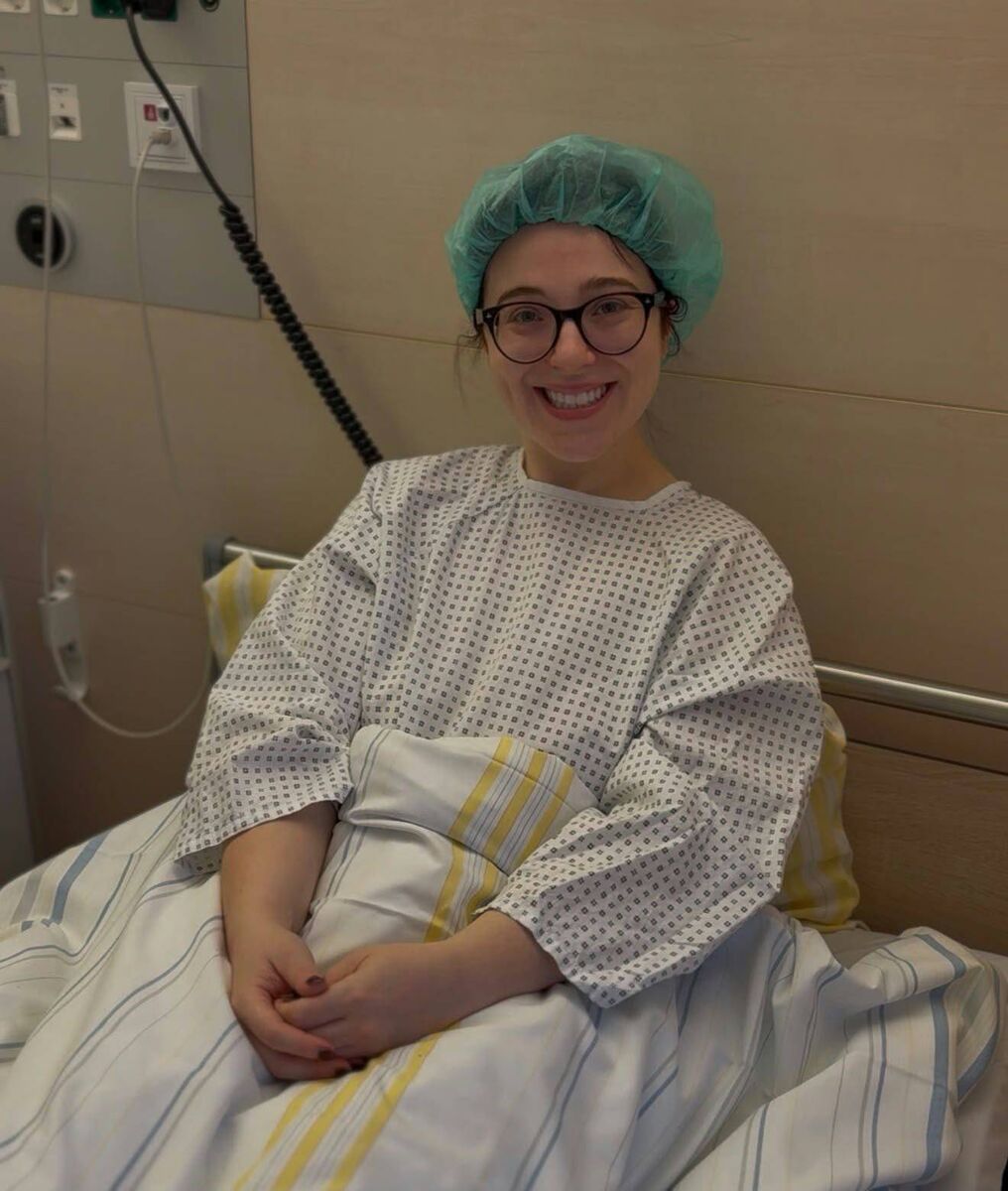
“I knew this was something I needed to do in order to have any sort of future into my thirties. I don't regret having the surgeries at all. I just feel very disappointed with how the financial side of things has played out.”
The HSE acknowledged delays in a statement issued to the . "The HSE administers several Overseas Treatment schemes," a spokesperson said.
"The programme administers the Treatment Abroad Scheme (TAS), Cross-Border Directive (CBD) and Northern Ireland Planned Healthcare Scheme (NIPHS), all of which continue to experience increasing pressure arising from population growth, an ageing population, increased prevalence of chronic disease, advances in treatment options and rising patient expectations regarding access to healthcare.
"There are no delays in processing TAS applications, and we continue to meet the service standard of a 20-day turnaround. However, delays are currently being experienced both with the NIPHS scheme and the Cross Border Scheme."
The health authority said increased demand is the main reason for delays relating to the CBD. "Demand for the CBD has significantly outpaced processing capacity in the Overseas Treatment Programme.
"This has increased waiting times and the development of a substantial backlog of applications. A targeted backlog-reduction initiative is underway, with additional staffing resources temporarily assigned to the programme to specifically address the existing application backlog.
"Based on progress to date, current application volumes and processing rates, the HSE expects that by the end of 2026, the service will have caught up with incoming application volumes, and processing times will return to the 30 working-day target for applications being received from that point forward.
"The system will be on track by 2027, and expects to clear any legacy backlog by February 2027."
CONNECT WITH US TODAY



Be the first to know the latest news and updates