Drumcree standoff enters fourth day as fresh legal challenge goes to court
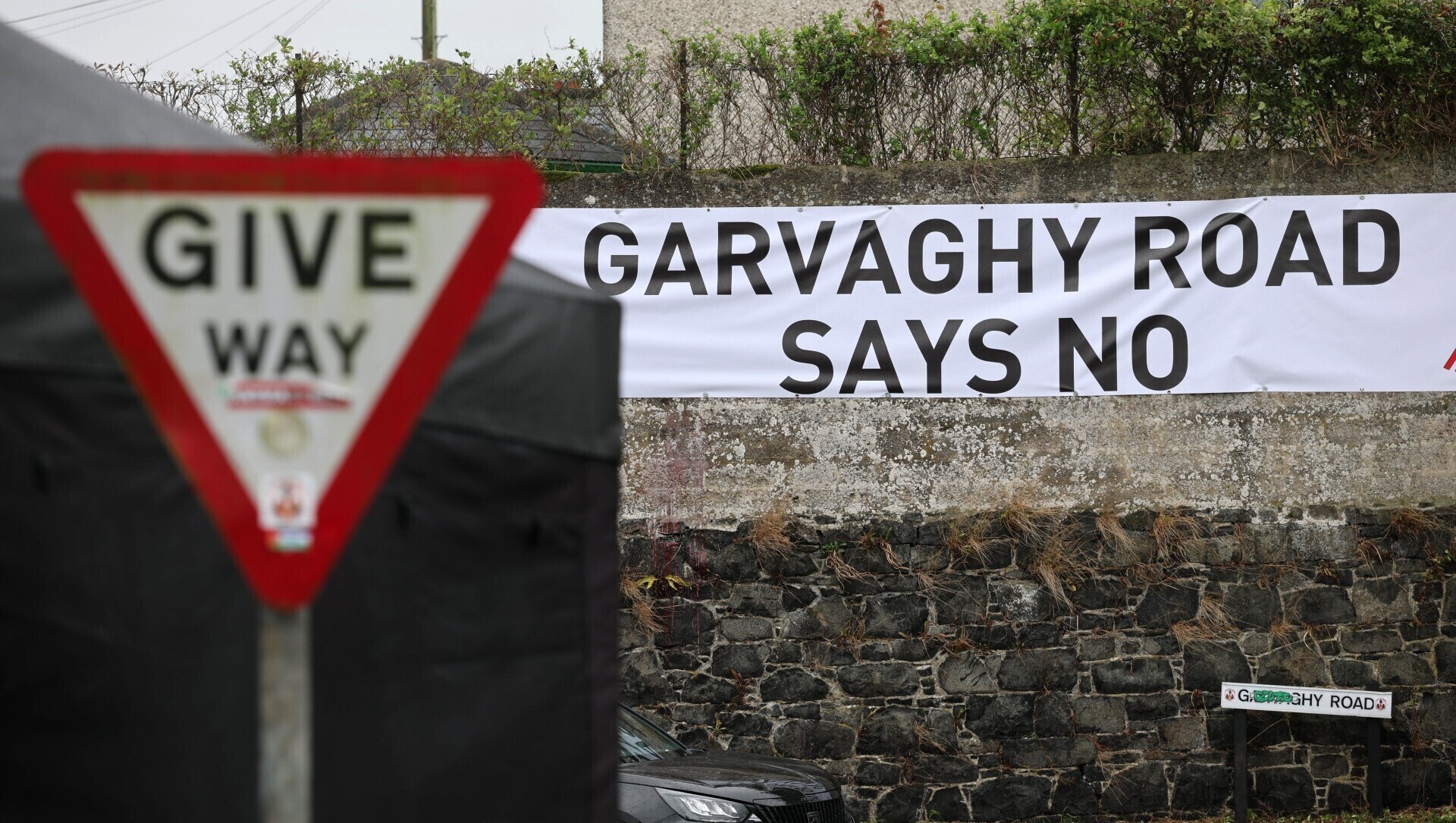
A banner reading 'Garvaghy Road Says No' displayed on Garvaghy Road, following a weekend of tension at Drumcree in Portadown. Picture: Liam McBurney/PA Wire
Further talks are expected to take place as part of the latest bid to break the Drumcree parade stand-off, which has now entered a fourth day.
Northern Ireland secretary Chris Bryant remains at Hillsborough Castle, where on Tuesday he again hosted delegations from the Orange Order and Garvaghy Road residents.
Orangemen have been waiting since Sunday to take part in their parade down the mainly nationalist Garvaghy Road in Portadown.
They have tried on several occasions to begin the parade, but have been prevented by police.
The PSNI has said a protest in opposition to the parade on the Garvaghy Road is unlawful, but that using force to move protesters off the road risked people getting “seriously hurt”.
The dispute is now set to return to the courts, with lawyers for the Garvaghy Road residents having launched a fresh legal bid to try to prevent the controversial Drumcree march from going ahead.
Their latest legal challenge argues that the Parades Commission “materially misdirected itself” on the police assessment of the potential for disorder. The case is due to be heard by the Court of Appeal in Belfast on Friday.
It is expected that both sides will have further discussions with Mr Bryant on Wednesday.
Read More
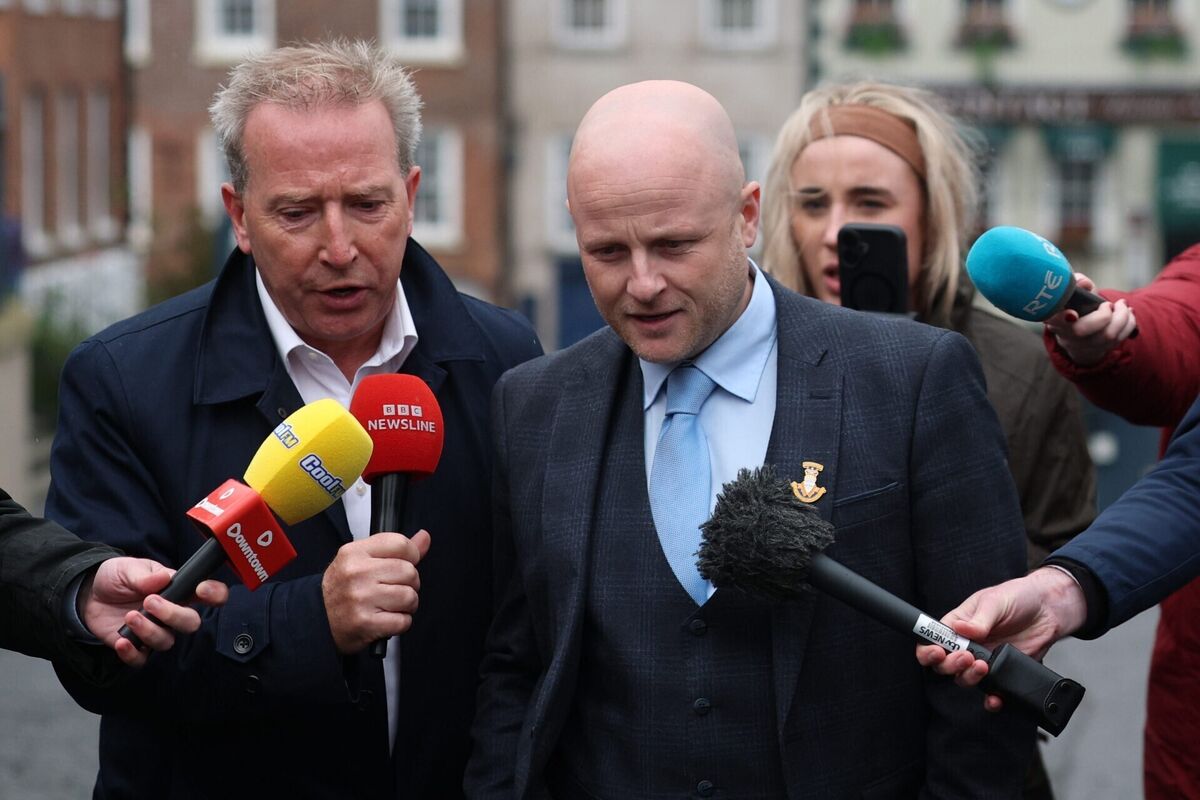
Following Tuesday’s talks, Orange Order Portadown District Master Nigel Dawson said: “We have once again had a very positive and constructive meeting with the Secretary of State.”
Breandán Mac Cionnaith, from the Garvaghy Road Residents Coalition, said: “No parade is no parade, that’s it.”
Efforts to call off the parade were also brought to Government Buildings in Dublin, where Sinn Féin leader Mary Lou McDonald and deputy leader Michelle O’Neill, Northern Ireland’s first minister, met Taoiseach Micheál Martin and Tánaiste Simon Harris.
Ms O’Neill has faced criticism from unionists after she and senior colleagues were among a large crowd that blockaded the road in the predominantly nationalist Garvaghy Road area on Sunday to prevent the parade from passing along the route.
Under parading laws in Northern Ireland, protests must be notified to, and approved by, the Parades Commission adjudication body.
The Drumcree parading dispute, which was associated with violent disorder during the Troubles, has been reignited after the Parades Commission granted permission for a limited parade down the Garvaghy Road for the first time in almost 30 years.
At the height of the blockade on Sunday, more than 1,000 people congregated on the road to prevent the parade from Drumcree Church from passing along the route.
The Drumcree parade down the Garvaghy Road had been banned since 1998.
On Friday, the commission reversed its long-running determination and granted permission for the parade – a decision welcomed by unionist parties and met with outrage from nationalist and republican parties.
Permission was granted for a parade subject to strict restrictions, including a limit of 35 participants and an 8am start time.
CONNECT WITH US TODAY



Be the first to know the latest news and updates