Fixed dates for rape and sexual violence trials 'would give certainty to survivors'
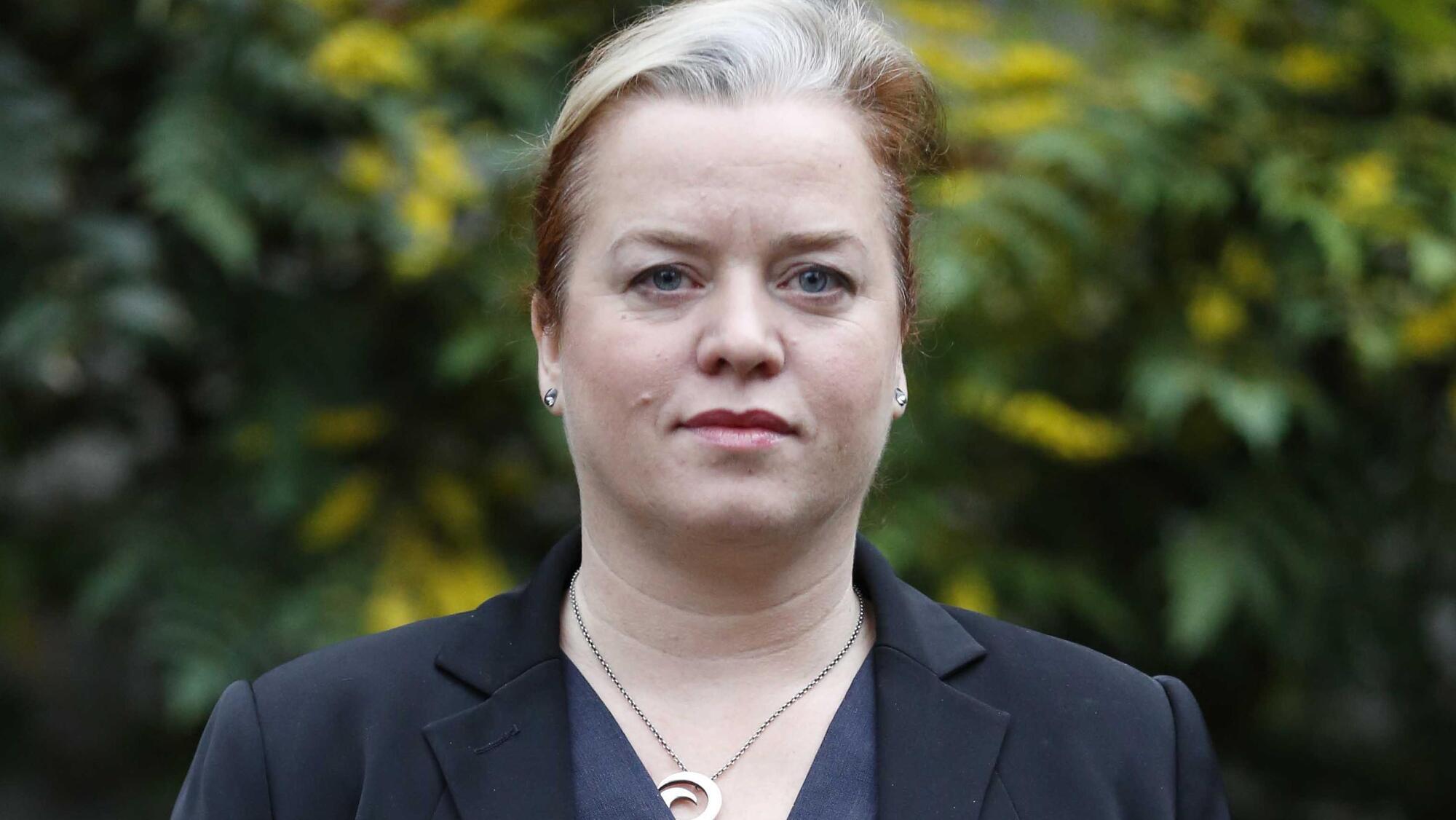
Cliona Saidlear, executive director of Rape Crisis Network Ireland, said a fixed date for rape and sexual violence trials ' would give certainty to survivors and stop that endless being on hold and waiting for the next notification'. File photo: RollingNews.ie
Ireland should explore the possibility of introducing fixed dates for rape and sexual violence trials, following changes announced for such cases in Britain earlier this week.
British prime minister Andy Burnham announced a series of measures aimed at making the court system more approachable for victims of rape and sexually violent crimes.
The measures include the introduction of fixed dates for trials relating to such crimes to help prevent them being placed on floating lists where delays can occur or where they can be moved around at short notice.
Executive director of Rape Crisis Ireland, Cliona Saidlear, said delays in the Irish system are also an issue.
“The really tough nut to crack here is delay," she said. "One of the proposals in the UK is that there would be a fixed date for rape and sexual violence trials.
"If that can be achieved, that would be a really significant change because it would give certainty to survivors and stop that endless being on hold and waiting for the next notification.
"You could at least plan your life around it if you had a fixed date. If that is possible to achieve in the Irish situation as one part of ameliorating the delay, that would be amazing.”
The measures in the UK also include specialist courts for rape and sexual violence crimes.
Chief executive of Dublin Rape Crisis Centre, Rachel Morrogh, said that while it would welcome some of the reforms being proposed in the UK, it has concerns around any assumption that specialist courts alone will solve all the major problems in the Irish system.
"By only focusing on the trial stage of the justice pathway, we risk overlooking the reality that most victims of sexual offences never see their case reach trial.”
She also highlighted delays in the system as being difficult for those whose cases get to the courtroom.
“While the justice system is becoming more victim-centred, with gradual introduction of protections such as anonymity for both defendant and complainant, testifying by video link or behind a screen, strict court reporting and so forth, a specialist sexual offences court could be a logical next step," she said.
"A recent report commissioned by the Department of Justice recommended a three-year pilot specialist court after researchers found significant delays, poor case management and systemic problems in how sexual violence cases progress through the criminal justice system."
However, she said as so many sexual violence cases in Ireland never reach a jury, a specialist court won’t solve that or address other "major attrition points".
"Large numbers of complaints fall away during earlier stages such as reporting, investigation and DPP decision-making. If we are to truly improve access to justice for victims and survivors of sexual crimes, we must examine and respect all points in their journey.”
Anyone affected by sexual violence can get free and confidential support on the 24-hour National Helpline at 1800 77 8888.
CONNECT WITH US TODAY



Be the first to know the latest news and updates