Rural Ireland Thinks: Social media restrictions on under 16s supported by vast majority
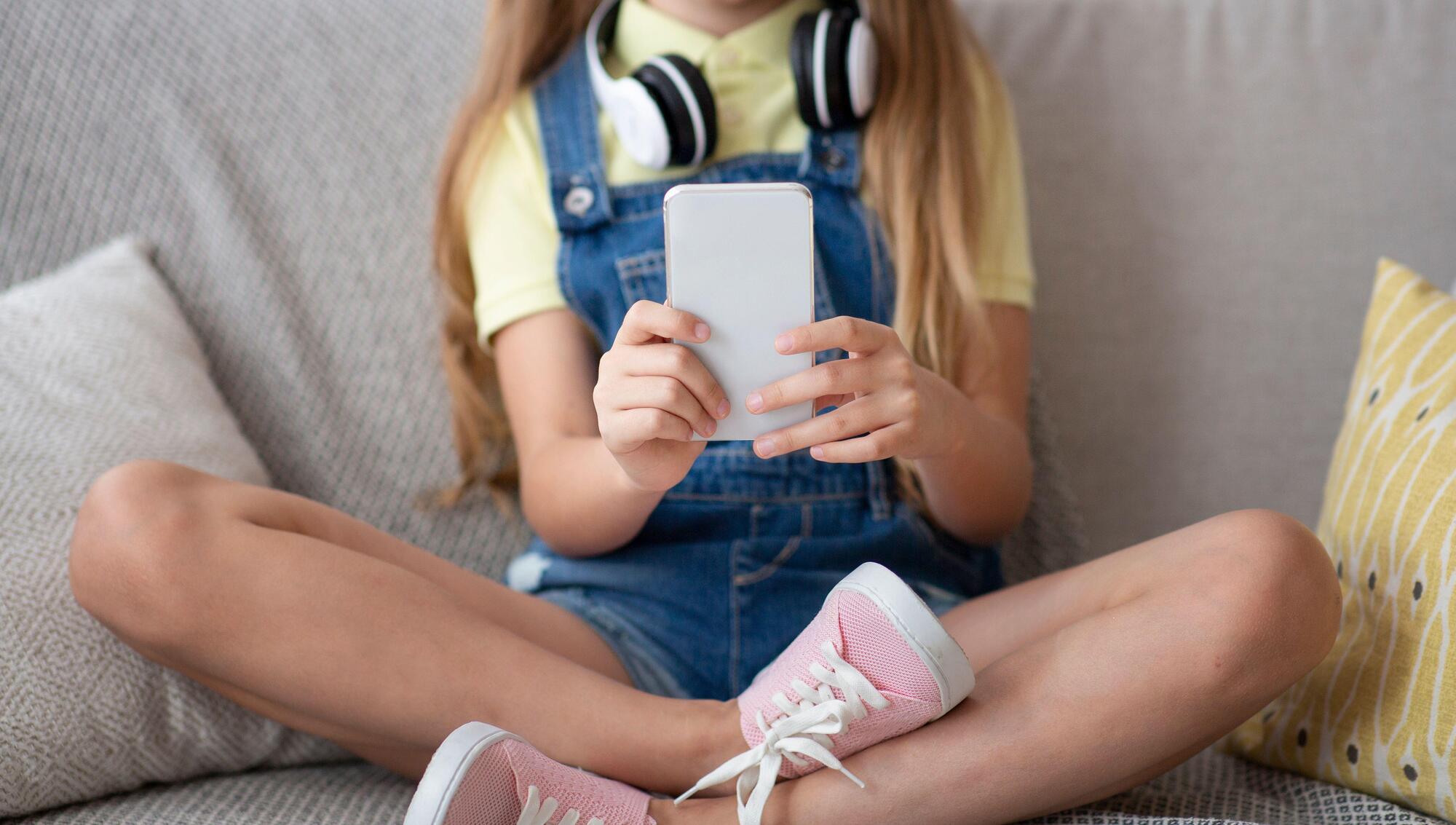
The EU is to outline restrictions aimed at limiting children's access to social media — involving a tiered system that gives younger children less access online. File picture
The vast majority of people in rural Ireland support restrictions on social media for under 16s, preferring them to an outright ban.
A survey conducted face-to-face by Ipsos B&A with 501 adults living in rural Ireland found that 63% strongly supported social media restrictions for under 16s, with a further 19% somewhat supportive — a total of 82%.
A further 10% said they disagreed with restrictions, with 4% stating they neither agreed nor disagreed with them. This compares with 48% saying they strongly agree with a total ban on social media use for under 16s, and a further 15% "somewhat agreeing" with such a ban.
Twelve percent of respondents strongly opposed such a ban on social media, with 11% somewhat opposing an outright ban, and 8% neither agreeing nor disagreeing.
The Government has long suggested that it wants to take action over children's access to social media, but has yet to put forward any detailed proposals.
Read More
Australia became the first country to introduce a social media ban for children in December 2025, with France, Spain, Greece and Britain announcing plans to follow suit.
European Commission president Ursula von der Leyen is to outline EU-wide restrictions aimed at limiting children's access to social media — involving a tiered system that gives younger children less access online.
Ruth Melia, associate professor in Clinical Psychology at University of Limerick, said the survey results — indicating that the Irish public favour restrictions over a ban — is aligned with available evidence and consistent with the government's Online Health Taskforce report.
"That report very much stopped short of recommending an all-out ban," she said. "It's interesting to see that the public perception broadly aligns with that, and certainly aligns with the evidence base we have to date.
"I think people understand the nuance of the issue. People understand that different types of approaches might be needed at different developmental stages.
"I think that people do understand the need for other supports such as education and training, that we would all benefit from."
Professor Melia said it was not a good idea to focus on the behaviour of children online, and instead the focus should be on the social media platforms.
She urged the Government to carry out a review of any restrictions that they do implement, as had been done in Australia.
"The findings of the first study, by Barnes and Wolfenden at the University of Newcastle, reporting on data at three months post-implementation, indicated that there was very little change in social media use by young people before and after the ban.
"It could be argued that it was too early at three months to sufficiently evaluate the impact or that social media companies did not sufficiently comply or implement the ban effectively within that timeframe.
"However, what was more concerning was the extent to which a ban seemed to drive children and young people into less regulated spaces. That and other outcomes, intended or unintended, are very important to study in future research."
She said the Irish government can be "much more dynamic" in its actions against social media use by children by carrying out both a short-term and a longer-term assessment of any such restrictions.
- The Rural Ireland Thinks survey was funded by the News Reporting Scheme
CONNECT WITH US TODAY



Be the first to know the latest news and updates