Teach us how to stay safe online rather than ban social media, Irish children tell regulator
A third of the children admitted they had felt upset at least once in the past year about something they experienced online.
The majority of children in Ireland would prefer to be taught about staying safe online rather than banning them from social media.
An extensive study carried out by Ipsos B&A on behalf of Coimisiún na Meán also found almost half of parents and caregivers also favour education over a social media ban, as both cohorts agreed children would circumvent any such ban.
The study involved 1,002 children aged nine-17 and their parents or caregivers.
They were asked about their understanding of how social media and search engines work, online bullying, and whether they had received sexually explicit messages.
The survey found a quarter of nine–11-year-olds and 90% of 16–17-year-olds have a social media account, but showed a mixed understanding of how it works.
About two-thirds (67%) recognised liking or sharing a post could have a negative impact on others, while 39% recognised the first search result was not always the best source of information.
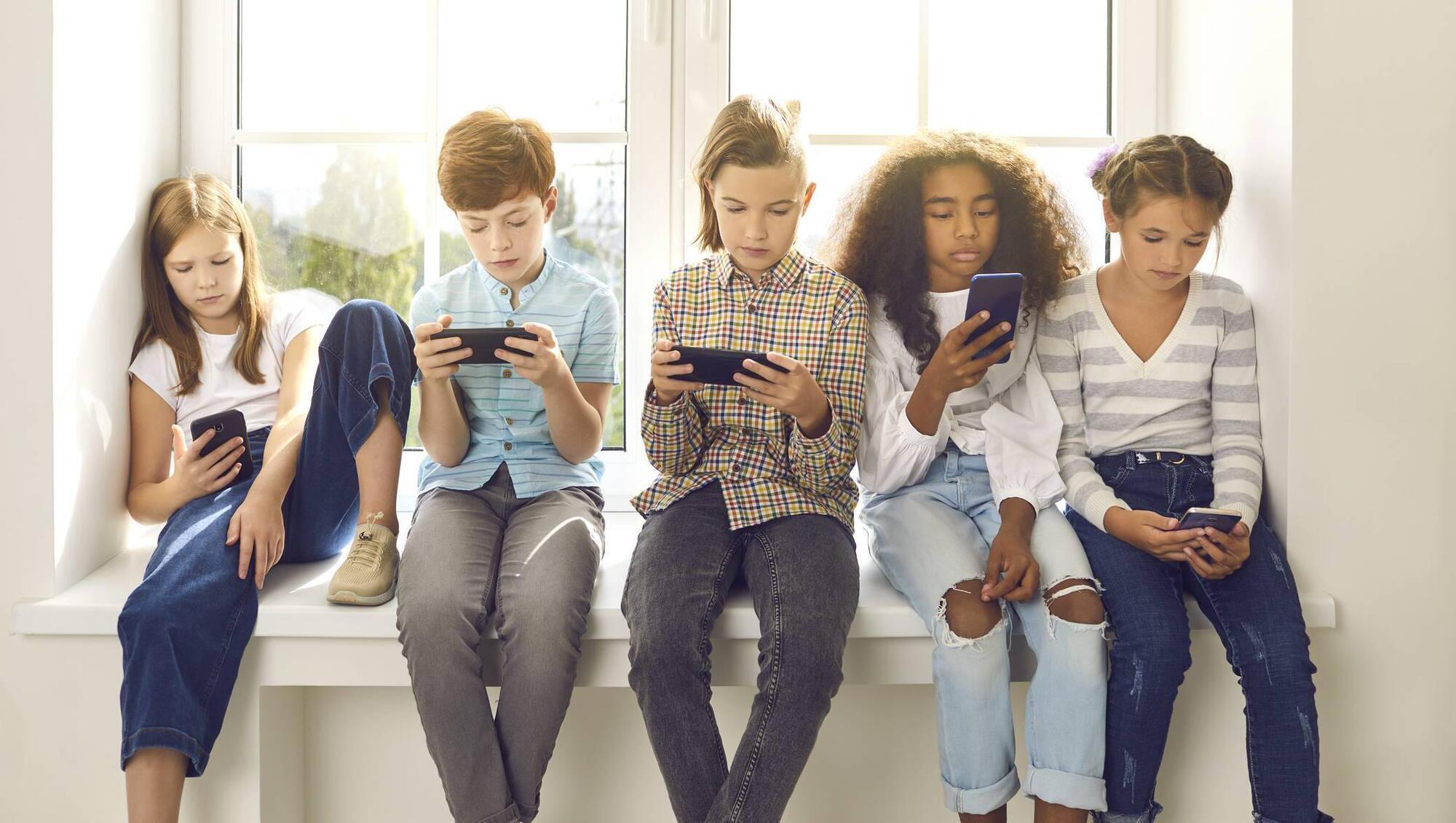
A third of the children admitted they had felt upset at least once in the past year about something they experienced online.
Read More
This rose to 46% among 16–17-year-olds, while children with disabilities were more than three times as likely to report feeling upset frequently.
Online aggression and cyberbullying affected a minority of children as they reported it happened more often face-to-face (20%) than online (12%).
Receiving sexual messages was also relatively uncommon among children (9% reported receiving a sexual message at least once), but children aged 16–17 were substantially more likely to report having received a sexual message.
Children, parents and caregivers were more likely to agree (67% of children, 43% of adults) than disagree (11% of children, 23% of adults) that a social media ban would not be effective as children would find a way around it.
A majority of parents and caregivers (64%) agreed removing social media from their children's lives would have positive impacts on their child’s focus on schoolwork, while 67% said it would have a positive impact on their mental health.
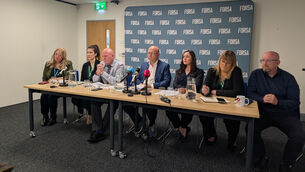
Jeremy Godfrey, chairperson at Coimisiún na Meán, said the report provided "important evidence" on how children and young people in Ireland feel about the internet.
“Crucially, this study allowed us to hear directly from children and young people and their parents/caregivers about their experiences and attitudes.
“The findings in this research will support evidence-based policy development, programme design and decision-making that deliver positive outcomes for children and young people.”

CONNECT WITH US TODAY



Be the first to know the latest news and updates