Voucher repair scheme for clothes and shoes to be piloted
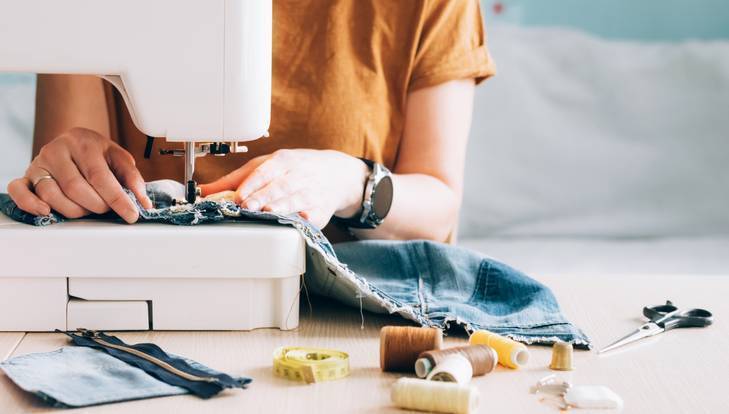
The Department of the Environment is set to introduce a voucher repair scheme for clothes and shoes. Picture: iStock
A voucher repair scheme for clothes and shoes is to be piloted next year, the Department of the Environment has said.
The move comes after consumers’ rights to request repairs for devices and white goods were strengthened last month as part of an EU directive.
Officials from the department met with their French counterparts in April to learn about the French 'Repair Fund' and the Bonus Extended Producer Responsibility Scheme.
The repairfund, also known as the repair “bonus”, offers between €6 to €25 back to punters who fix their old clothes and shoes at certified repairers.
People can get €7 back for patching a hole or tear, or €8 back for sewing or gluing work on shoes under the French model, which was introduced in November 2023.
CLIMATE & SUSTAINABILITY HUB
The department of Climate, Energy and the Environment said it was working on the pilot for textile repairs in conjunction with the national Reuse and Repair Network (NRRN), a group of recycling stakeholders established by the Environmental Protection Agency (EPA).
Read More
“Given their expertise in this area, the NRRN will assist the department in developing the pilot repair voucher scheme for clothing and footwear,” it said in a statement to the .
“The EPA is also undertaking qualitative research with repairers that will inform the development of the pilot.
“A well-designed pilot voucher scheme, which delivers real environmental benefits, provides value for money and that will inform the potential introduction of a national voucher scheme — will be delivered in 2027.”
New rights and supports to request repairs for devices and household goods — such as phones and washing machines — took effect last month under the EU’s right to repair directive.
A separate EU directive — the revised Waste Framework — lists a range of measures to tackle textile waste and must be transposed by June 2027, with an Extended Producer Responsibility scheme for textiles required to be in place by 2028.
It will mean clothes shops and other textile producers will have to fund the cost of collecting and managing used clothing and other textiles and ensure they are made available for reuse where possible.
Minister of State Alan Dillon, who has responsibility for the circular economy, has said Ireland needs “to curb the amount and volume of garments and fast fashion coming into the country”, describing that consumption as “off the charts”.
A survey carried out by Ipsos B&A on behalf of the EPA found that while 40% of Irish people donated clothing, accessories, and footwear to charity shops, only 20% of people bought a second-hand item in their last three purchases.
In 2021, there were 12.6m textile items reused and textiles accounted for 73% of all secondhand purchases/exchanges in Ireland, which the department said showed “the circular potential for this stream”.
The Circular Economy Strategy, published in February, suggested that the national voucher scheme would be funded under the Circular Economy Fund.
The strategy said the scheme aims to “facilitate a shift in conventional consumer roles from purchasers to stewards of products and devices by reducing repair costs, elevating the perceived value of old devices and signalling societal support for repair, thus supporting everyday device care”.

CONNECT WITH US TODAY



Be the first to know the latest news and updates