Hot-water hacks to save money and boost sustainability
Cut costs throughout the year with these savvy and sustainable ideas
Hot-water hacks to save money and boost sustainability

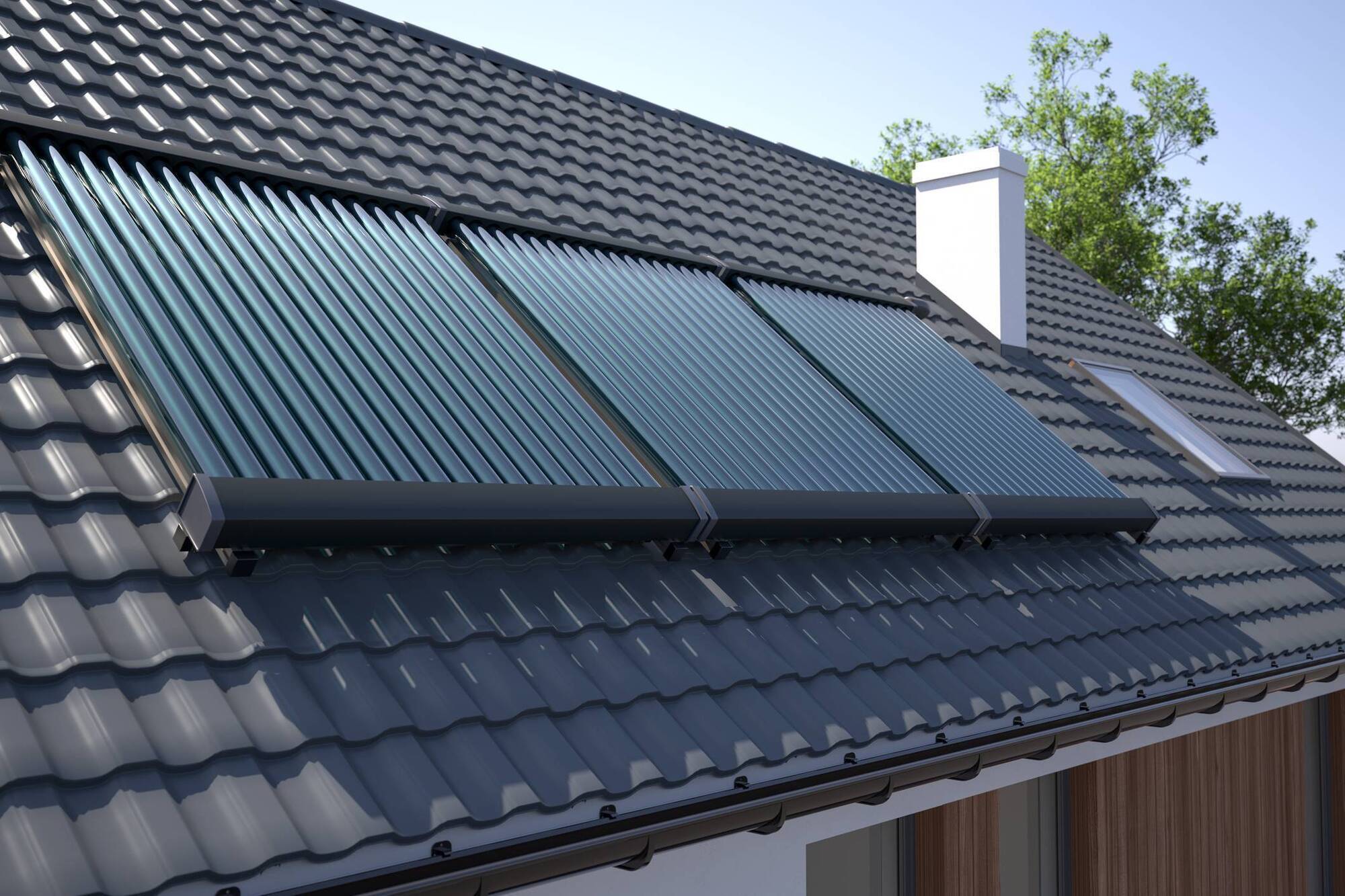
Solar PV and solar-thermal can contribute to your water heating, and both technologies are grant aided through the SEAI. File pictures

Our hot-water usage can account for up to 25% of your heating bills. What can we do to trim that deluge year-round with a little savvy and a few changes of habit? Let’s get started with a tweak to those timers and thermostats.

TIMING

Timing is everything. Moving into summer, if you have an old-fashioned central heating system with an immersion tank, all that lovely indirectly heated “free” hot water slips away as the CH is used less. Using the electric immersion is equivalent to boiling up a very big kettle. If your family are now reaching for the immersion at odd hours, check those settings on the controls to ensure the system turns itself off after a set period. This is often represented on your controls as “boost”.

Using a gas or even oil boiler set to just water heating is generally less expensive than jumping to the immersion switch for baths. For the sink in summer only boost an immersion on a sink-setting. When excess hot water is available use it or lose it! Using 9l-14l of water, a full dishwasher is more economical than repeatedly washing dishes by hand.

For all electric water heating, utilise a timer and time-of-use tariffs effectively to reduce the cost of water heating. If you are on a day/night or smart meter, your power will be arranged into various bands with different pricing. If you have cheaper overnight hours, try to shower, for instance, in the morning.

Use the choice of power products to tilt your bill towards your energy use. Everyone’s patterns are different. Explore the delay-start timers of appliances and devices heating water.

The best temperature: Check the temperature settings. Next time you have the plumber in, ask him to check the actual temperature in your water tank with a sensor. According to the viral online poster HeatGeek, thermostats can fall out of sync. If the water has a maximum temperature higher than 60C, you are wasting energy.

This 60C at the tank is the setting that will deal with any danger of legionella bacteria in water lingering in a lukewarm tank (legionella bacteria likes temperatures between 20C-45C degrees). There is no need to have your water storage tank set to any higher than 60C, and your boiler flow temperature at 70C. 

While 50C is a typical temperature at the tap end (the water loses some of its heat on the way from a boiler and moving through the pipes) it should be controlled by a thermostatic mixing valve for complete safety. Some users prefer 44C at the taps with young children about. 

Check the default settings when you get a new boiler installed. You may find your new gas boiler is set to a higher temperature than needed. If you have an older gas combi-boiler with numbers on the dial and no actual temperature readings, 60C will be about halfway or around the third tick.

If you find your flow settings, boiler settings and hot water system a total mystery, invest in a visit from your heating engineer for a primer on using the boiler to realise its best efficiency. The SEAI offers this little-known hack for a combi-boiler: Most modern combi boilers and some other systems have a pre-heat function, so the hot water in your pipes is set at a certain temperature, to ensure you don’t have to wait too long for your water to heat up.

Pre-heating is more convenient, but it is hugely inefficient from an energy-saving perspective, particularly in homes where the occupants are out at work all day. Check the boiler manual for instructions on how to turn the pre-heat off (seai.ie).

BOILERS

Seeking better boilers and HPs? Using a combi-boiler, your water is heated instantly, not stored, and is less vulnerable to bacterial problems. If you are lucky enough to have a heat pump (HP) with separate hot water and heating settings, no matter how low the flow temperature to your radiators (for instance, 45C), the water temperature in any stored tank should be brought to 60C for at least 30 minutes a day.
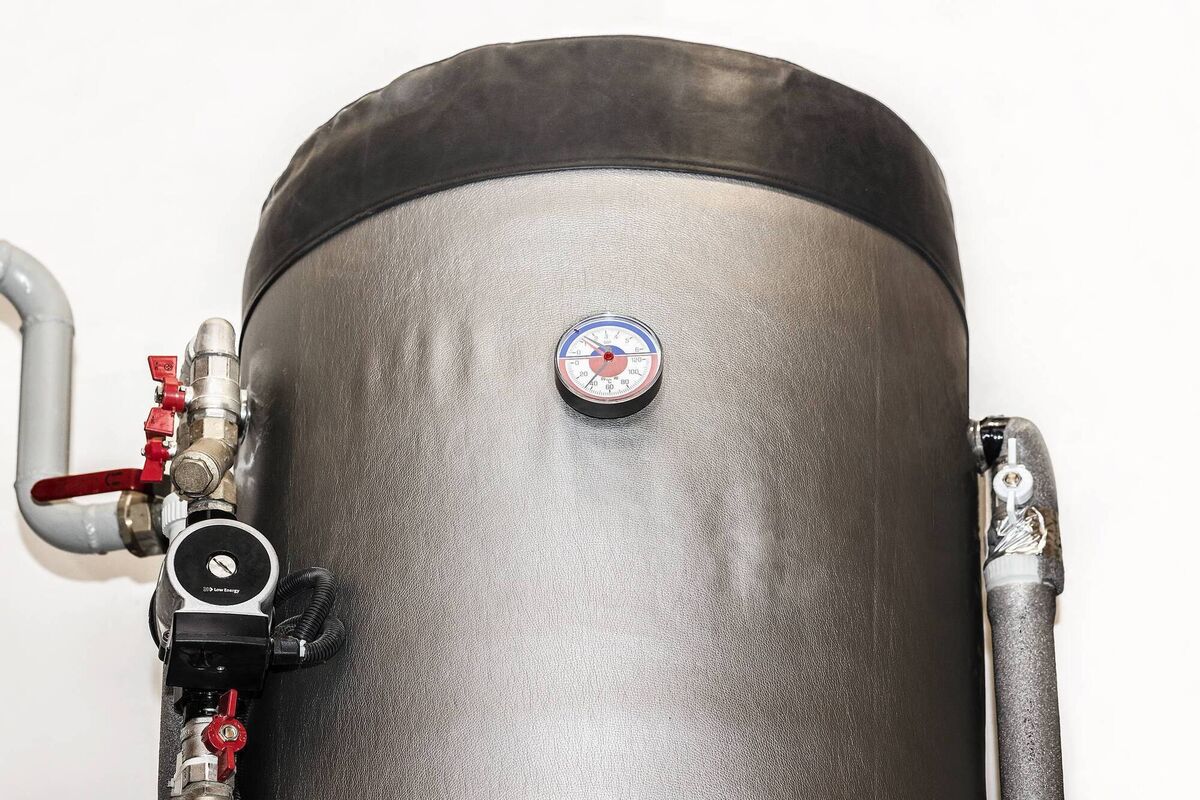
HP systems come with a small immersion element that automatically bring the stored water in any tank to this safe temperature for you. Talk to your heat engineer if in any doubt. Ensure any hot water tank and the downpipes running from them are properly insulated.

A tank with modern, factory-installed insulation covering the tank seamlessly, will lose just 5C-7C over 12 hours. This means hot water at the end of the working day that will only need a little coaxing by the boiler to bring it up to comfortable, useful temperatures for showering and washing the dishes.

SHOWERS

So, here’s how to be shower and washer savvy. Moving on to the bathroom, power showers run over 10 minutes’ use in the order of 30l more hot water than a standard gravity-fed model. The pump serving any power shower will most probably have a flow control. This determines how much hot water comes through the head per minute. See if you can reduce this without destroying your enjoyment of the shower and stick to three-five minutes max. There may be a spray pattern, aerator (fattening the feed) or a regulator on the shower head to alter the flow and feel.

A new head with a flow regulator can cut your hot water use to a typical gravity-fed shower down to 5l-6l per minute. For electric showers, use the integral eco-modes rather than changing the head which are generally designed for each model specifically.

Get to know the cycles of your washing machine. Dialling down from 40C to 30C you can use the same power for three cycles that you were using for two. Longer eco-cycles on the dishwasher can slash the hot water and power draw by up to 40% depending on your model.

LOOK AHEAD

Invest in improved and sustainable technology when it makes sense. This should start with more energy-efficient appliances in the kitchen and utility room. If your boiler is more than 10 years old, it’s probably time to replace it with a more efficient model.

Utilising PV-solar, not only contributes to all your hot waterpower needs, but you have the option of a hot water diverter which can heat useful amounts of water in your tank using dribbles of excess power. Look into an Eddie by MyEnergie. As we swing back to winter, charging up a PV solar (or any domestic battery) overnight on half-price power, allows you to deploy some or all of that energy to contribute to the use of the immersion and/or an electric shower the next day. SEAI PV-solar grant aid (excluding diverter) up to €2,400.

Solar thermal heating also harnessing the heat of the sun, is still grant aided through the SEAI up to a figure of €1,200 and is a stand-alone sustainable improvement that can deliver hot water to your central heating and hot water system. Substantially cheaper than a PV-solar install, it could be designed to meet 50%-60% of all your annual hot water needs.

More in this section

Revoiced

Newsletter

Sign up to the best reads of the week from irishexaminer.com selected just for you.

Cookie Policy Privacy Policy Brand Safety FAQ Help Contact Us Terms and Conditions

© Examiner Echo Group Limited