Study finds statins can lower risk of dementia by 15%
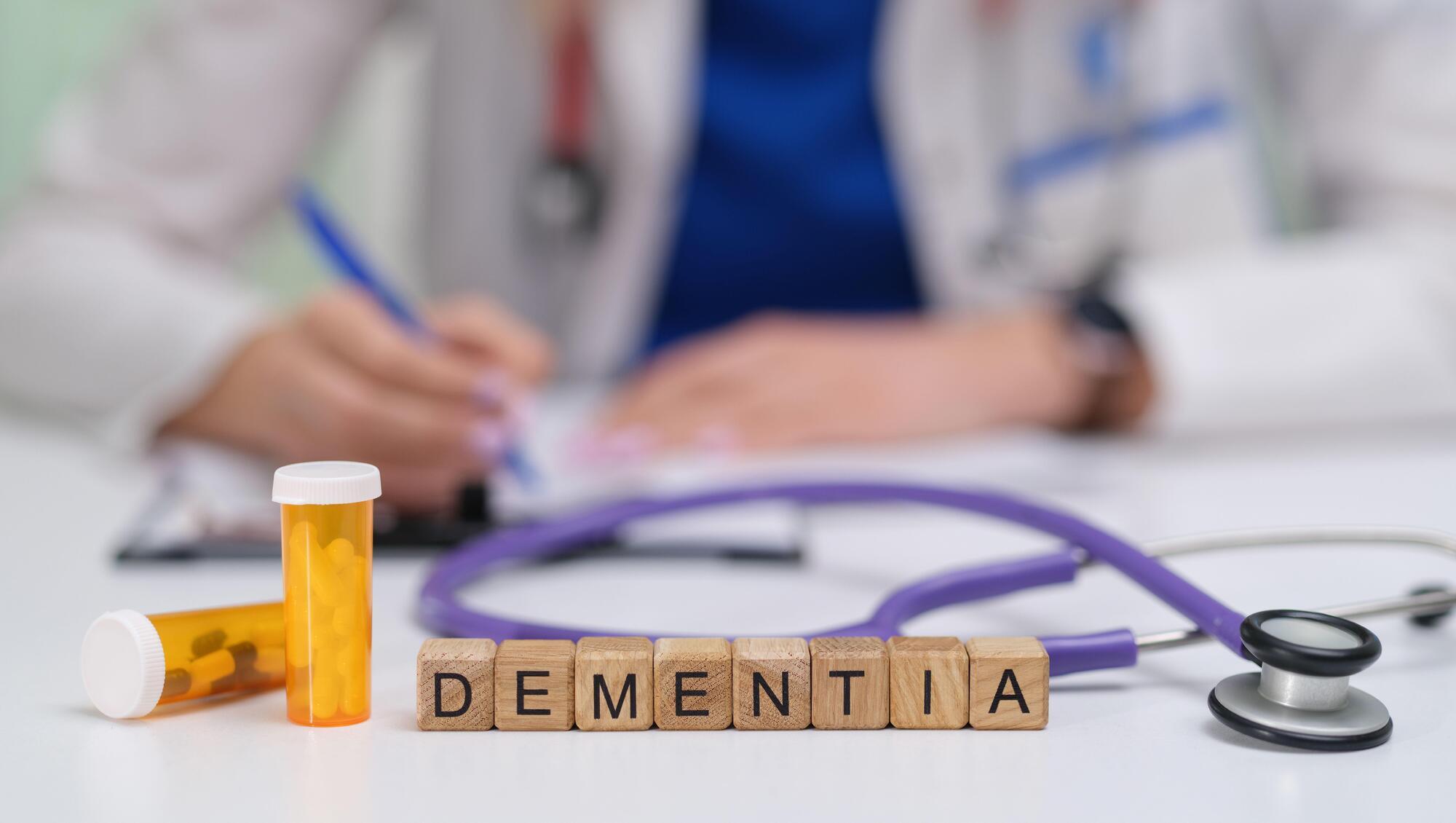
Statins reduce low-density lipoprotein (LDL) cholesterol levels in the blood, which can lead to plaque buildup in arteries and increase the chance of heart attacks, strokes and heart disease. But statins could also help protect the brain in the long term.
Statins can lower the risk of dementia by 15%, and the earlier in life they are taken the higher the chances are of avoiding the disease, a 15-year study suggests.
The number of people living with dementia globally is forecast to nearly triple to 153m by 2050. But experts believe almost half of dementia cases could be prevented or delayed.
Now, research presented in Munich at the world’s largest heart conference suggests that the cholesterol-busting drugs could dramatically reduce the risk of people developing dementia.
In the largest study of its kind, more than 132,000 people in Denmark were tracked by researchers between 2006 and 2021.
Those who started on statins during the study period were 10% less likely to develop dementia. Those taking them early reduced their risk by 15%. The results were similar in women and men.
Read More
The findings were presented on Sunday at the annual congress of the European Society of Cardiology (ESC), and simultaneously published in the Lancet Regional Health Europe journal.
Statins are already one of the most commonly used drugs in the world. The drugs reduce low-density lipoprotein (LDL) cholesterol levels in the blood, which can lead to plaque buildup in arteries and increase the chance of heart attacks, strokes and heart disease. But statins could also help protect the brain in the long term.
Experts believe this is because there is strong evidence that high LDL cholesterol can increase people’s risk of developing dementia, by hardening or narrowing blood vessels that supply the brain.
LDL cholesterol (LDL-C) drives plaque formation, and the resulting disruptions to the brain’s blood supply can increase the risk of dementia.
All those in the 15-year study had type 2 diabetes.
But Dr Tummas Ternhamar, from Copenhagen University hospital, who presented the results of the new research at the conference, said the findings strengthened the idea that one day everyone might be offered statins as part of a package of measures — such as staying physically active and eating well — to reduce their risk of dementia.
- The Guardian
CONNECT WITH US TODAY



Be the first to know the latest news and updates