‘No evidence’ RUC investigated any terror links in Omagh call, inquiry told
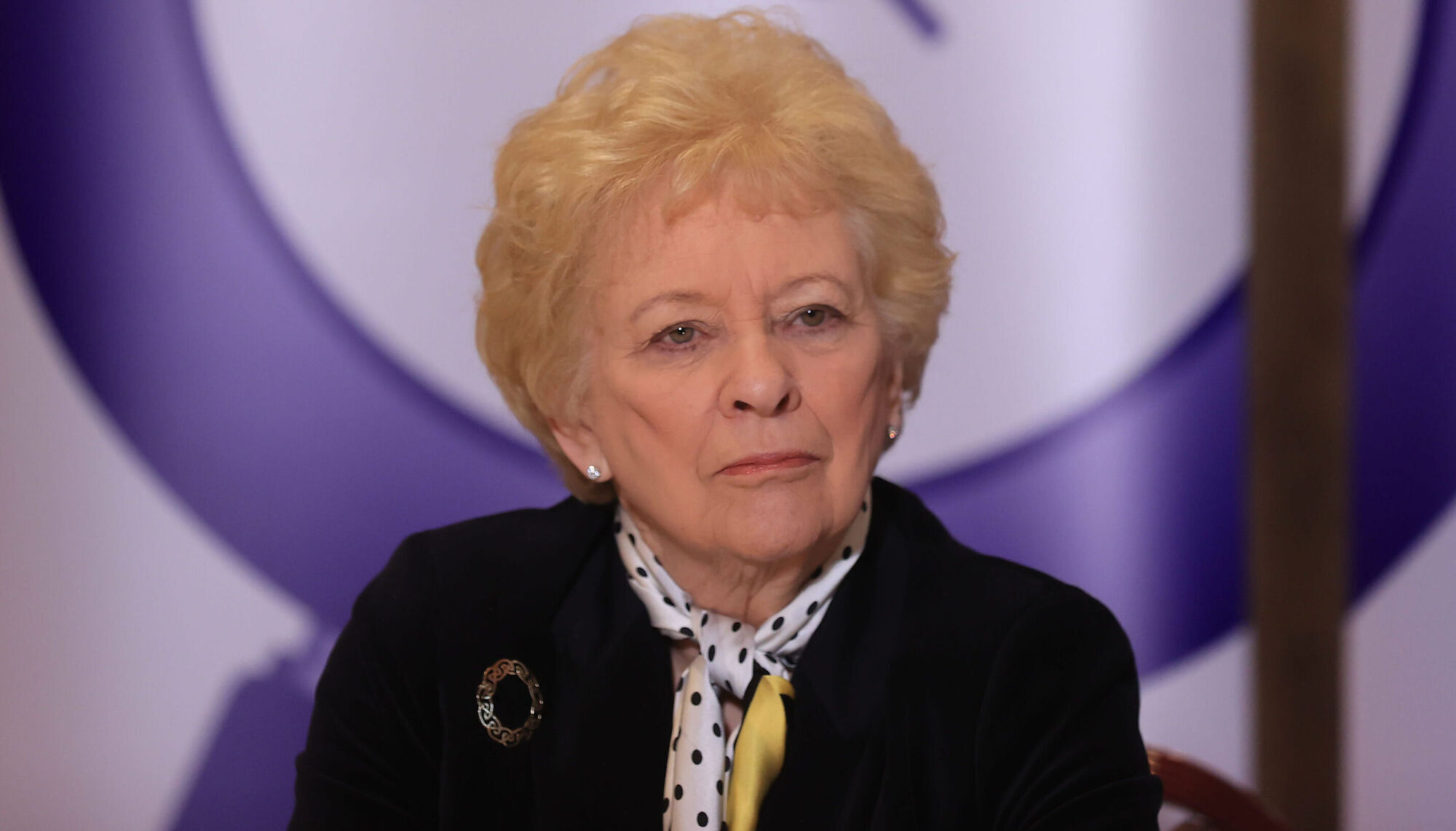
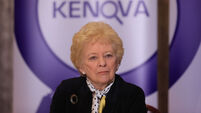
Nuala O’Loan said: 'I saw what would be a variety of documentation, and I have seen no such evidence, which leads me to the view that I find it difficult to accept that it did happen.' File photo: Liam McBurney/PA
A former police ombudsman in the north has told an inquiry there is “no evidence” the RUC investigated potential terrorism links of people mentioned in a warning call 11 days before the Omagh bombing.
Nuala O’Loan was asked about assurances given by the former Royal Ulster Constabulary (RUC) Chief Ronnie Flanagan that contact was made with An Garda Síochána at the time and all names given in the call were cleared.
She said her own investigation found some of the names mentioned on the call did have links to terrorism, and she was not told at the time that the RUC investigated the names, nor does she believe now that they did.
She said: “I saw what would be a variety of documentation, and I have seen no such evidence, which leads me to the view that I find it difficult to accept that it did happen.
“We saw no evidence that they had done what we subsequently did, which was to look for traces between these individuals and the Real IRA. We certainly received nothing to substantiate this allegation that they had contacted An Garda Síochána.
“There certainly were subversive traces attaching to some of those people which we were able to identify.”
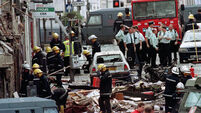
On August 4, 1998, an anonymous tip-off phone call was received by the RUC warning of an unspecified terrorist attack in Omagh, scheduled for August 15. On that date, a dissident republican car bombing in Omagh killed 29 people, including a woman who was pregnant with twins, in the worst single atrocity in the Troubles in Northern Ireland.
Ms O’Loan, who was the north's first police ombudsman, launched a probe into the original RUC investigation into the atrocity, after a report in a Sunday newspaper in 2001.
In it, she says that the Detective Constable (DC) who received the anonymous tip-off met two RUC Special Branch officers and filled out an A4 document giving all the information from the call.
The report claims that the Special Branch officers listened to the DC, but said the individuals named were only “smugglers”, and that there was nothing of value in the information, not leaving the room to make checks elsewhere before ending the meeting.
Giving evidence at the public inquiry into the Omagh bombing on Thursday, Ms O’Loan said she sought to interview the two Special Branch officers but they did not make themselves available. “We sought, as I recollect, to interview those officers from mid-September,” she said.
“They did not make themselves available. At some point, they retired. I’m not sure whether before or after. They didn’t have to come for an interview at all, they were retired, they were civilians.”
Ms O’Loan said she disagreed with Ronnie Flanagan’s assessment that the call was not connected to the bombing, because the caller mentioned guns and rocket launchers, not a bomb. “I do not agree with that assessment at all,” she said.
“I think if you look at some of the other atrocities that occurred during the Troubles, there were situations in which bombs and mortars and guns were used, and it was eminently possible this might be the case here.”
Ms O’Loan recalled how the DC asked the caller to phone back, and special branch officers in Enniskillen were ready to take a second call, but it never came.
Ronnie Flanagan, in response to Nuala O’Loan’s 2001 report, said that if the call had a genuine connection with the Omagh bomb, a subsequent call would surely have been made. Ms O’Loan said this was “speculation, which has no justification on an evidential basis”.
“We have to take this in the context of the point at which people were being shot and worse, murdered for providing information,” she said. “This person could have been very frightened, and one call might have been all they felt able to make.
“So I don’t think that, had this call been in connection with the Omagh bomb, they would definitely have called back. They may simply have thought ‘I’ve told them enough for them to do something’.”
The inquiry is holding evidential hearings in Belfast. The latest phase of hearings, which will last for several weeks, is concentrating on the period before and after the bombing and will examine how it was carried out and who was responsible.
Bradford Court in Belfast was shown a 22-minute compilation on Thursday of media reporting at the time of the bombing. Nicholas de la Poer KC told the inquiry it may contain footage that was distressing.
The compilation showed reports from major news organisations in the Republic of Ireland, Northern Ireland and the UK. The court saw footage of survivors receiving medical treatment, debris in the street and smoke and flames in the air.
The footage also included commentary from political leaders and journalists, and features on splinter groups of the IRA. Its purpose was to “assist us all in understanding what the initial reaction was to the attack”, said Mr de la Poer.
“It also has a wider forensic value because it will demonstrate, we anticipate, what members of the media knew and how soon they knew it, in terms of those who were responsible.
“That in itself goes to the question of what others may have known before then. So, that’s the purpose of the footage.”
The inquiry was set up by the previous British government to examine whether the explosion could have been prevented by UK authorities. Thursday’s sitting was the last before a 25-day break, when it returns on November 9.

CONNECT WITH US TODAY



Be the first to know the latest news and updates