Two Irish missing among hundreds as 157 confirmed dead in flash flood on Nepal-Tibet border
Two Irish nationals are feared missing following devastating flash floods in Nepal’s Rasuwa region, the tour operator leading their excursion has said.
At least 157 people have died and hundreds are missing after flash floods hit the Himalayan border areas of Nepal and Tibet, with officials warning that parts of northern India are also at risk.
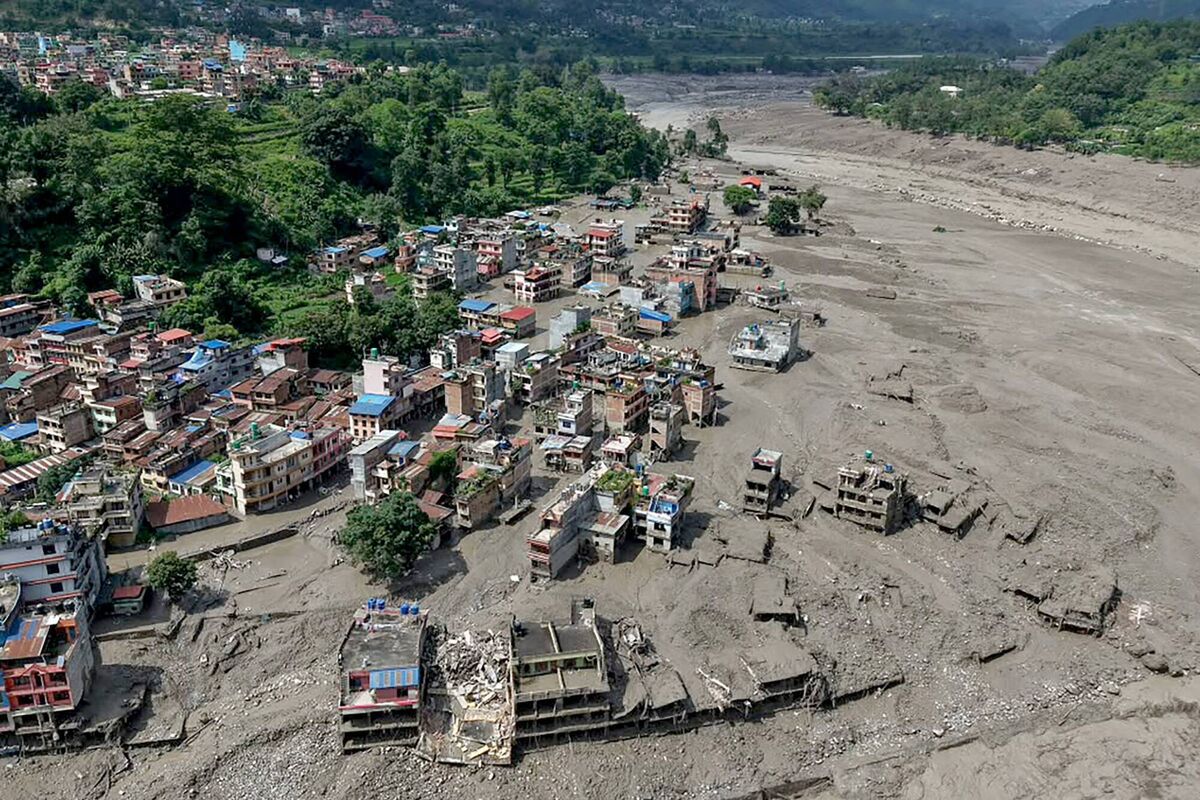
The disaster was caused by a torrent of mud, water and debris that burst from the banks of a river running between China and Nepal. Homes, roads, bridges and power plants were swept away in Nepal, while officials in Tibet said they feared “major casualties”.
Authorities issued alerts urging residents in several districts to keep away from the Bhote Koshi, Trishuli and Narayani rivers in Nepal.
Alpine Eco Trek, which offers guided tours and expeditions in Nepal, said two Irish nationals were among a group on one of its tours across the Nepal-Tibet border reported missing on Wednesday.
Also missing from the tour are four South African nationals and 12 British nationals, including a 13-year-old girl.
The Nepal Tourism Board has confirmed the group is among 384 tourists reported missing.
Ram Kumar Adhikari, manager of Alpine Eco Trek, told the Press Association from the affected area that there was “not much info to share at the moment”.
The has contacted the Department of Foreign Affairs for comment.
Read More
Officials said 384 tourists, including 291 foreign nationals from countries such as Ireland, India, the US, the UK and Malaysia, had been reported missing. Nepal said 44 army personnel and 30 police officers had also been reported missing.
Nepal Tourism Board officials said most of the missing were likely to be tourists from India and the Indian diaspora travelling on a pilgrimage to Mount Kailash in Tibet, a sacred site for Hindus.
The flash floods are thought to have been caused by an earthquake that triggered an ice-rock avalanche and a sudden downstream surge on the Lhende Khola River, a tributary of the Bhote Koshi. Officials said the flooding could get worse because the river remained blocked upstream.
Flood alerts were also issued in the Indian states of Bihar and Uttar Pradesh, which border Nepal and are downstream of the affected rivers.
Police in Nepal said they were still unable to assess the full scale of the damage. Rescuers said helicopters could not land in the affected areas of Syapru Besi and Timure in the mountainous district of Rasuwa until the river waters had receded.
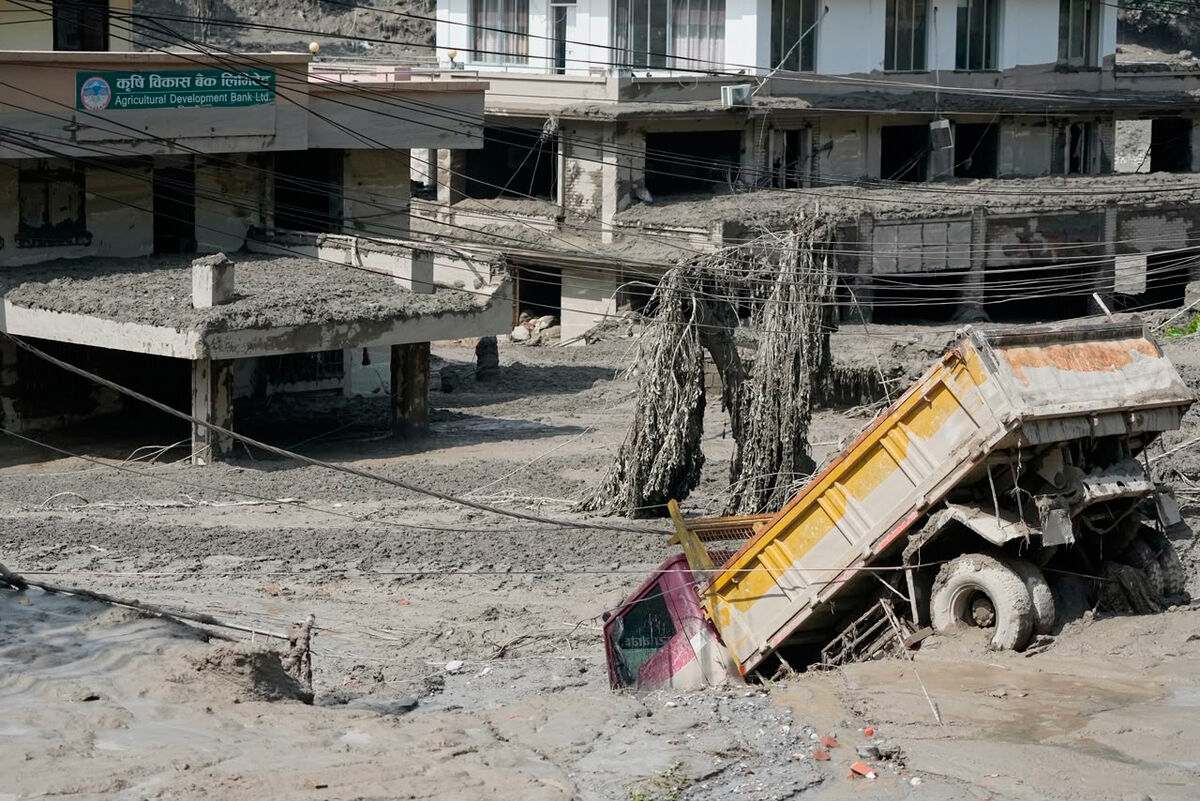
Images of crumbled homes in the floodwaters, floating cars and a metal bridge being washed away, along with villages engulfed by water, mud and debris, were broadcast on Nepalese television.
“There could be heavy casualties or loss of property,” said district administrator Narendra Pariyar, who urged those living on the banks of the Bhote Koshi to move to higher ground.
“There is devastation everywhere we look,” Tula Bahadur BK, a health worker in Rasuwa, told . “The settlements next to the river have been completely swept away. Five of my own relatives are missing.”
China’s official Xinhua news agency said the flash flood occurred on the Nepalese side of the border and cut roads, communications and power links in the Shigatse region.
Chinese President Xi Jinping urged “all-out” search efforts for the missing and better monitoring and early-warning systems to prevent secondary disasters.
Nepal’s energy ministry said electricity supplies had been significantly affected, mostly because of destroyed hydroelectric plants.
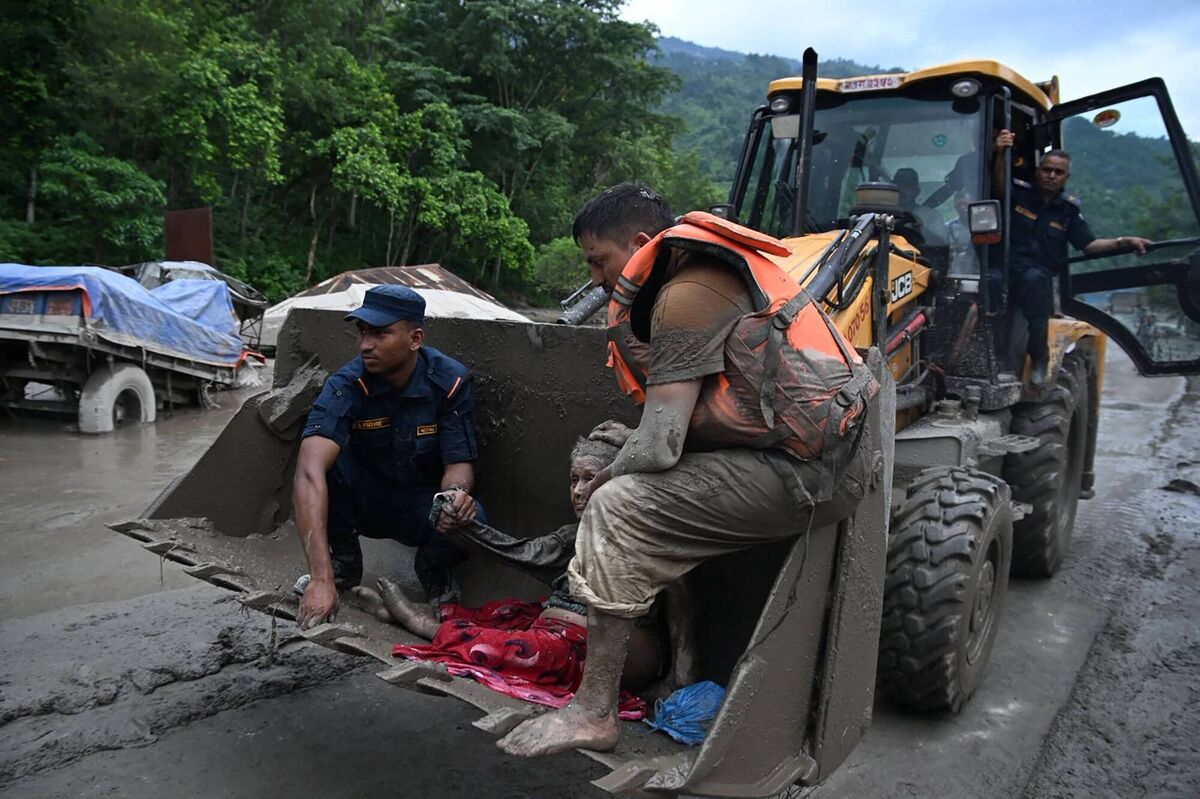
Police and military officers have joined Nepal’s rescue effort, the country’s prime minister, Balendra Shah, said.
“Instructions have been given … to move the people living in the lower areas to safer places. People along the river are advised to exercise extra caution and remain alert.”
A Bhote Koshi flood last year killed nine people and washed away a “friendship bridge” linking Nepal and China, disrupting trade and transport for months. It was triggered by the draining of a supraglacial lake in Tibet, a regional climate monitor said.
CONNECT WITH US TODAY



Be the first to know the latest news and updates