'Amazing news': Friedreich’s ataxia sufferers 'excited and relieved' life-changing drug is approved
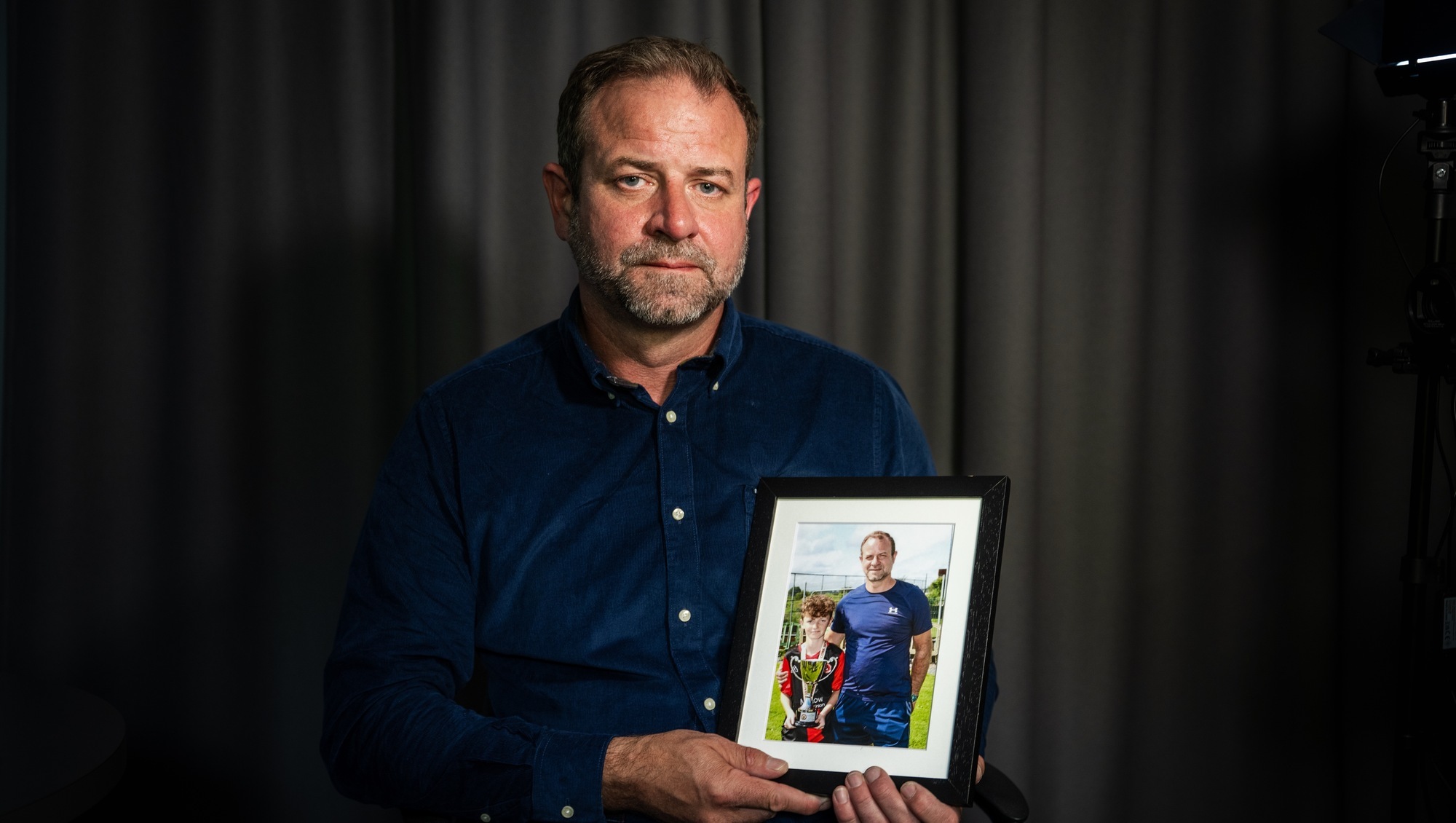
Craig Coady lost his son Ruairí to Friedreich’s ataxia. Picture: Chani Anderson
Advocates say the drug Skyclarys, approved for funding on Tuesday for people with Friedreich’s ataxia, can slow this devastating disease and “improve things slightly”.
That could mean, among other benefits, them keeping the ability to talk for longer and maintain strength in their legs.
The progressive disease first makes walking difficult, then impossible for patients. Their speech slurs and swallowing becomes a risk. It affects the heart, causing muscle to weaken and there is no cure.
The HSE has said it will work quickly with Biogen on rolling Skyclarys out for the 200 people affected.
Among those is Cork teen Paudie Coady whose father Craig has spoken powerfully of how he lost his other son Ruairí to the condition after his heart was weakened from the disease at just 13.
The HSE decision means Skyclarys could soon reach Paudie and activist Emily Felix.
Ms Felix described the decision as “amazing news” on Tuesday, adding: “It’s been a very long battle, over two years waiting. This shouldn’t have had to be this hard but I’m incredibly proud of our whole community, our family and friends and everyone who’s fought so hard with us.”
She shared a delighted post on social media saying now Skyclarys gives people the chance to preserve their abilities.
Maureen Sweeney is head of operations at the Ataxia Foundation Ireland and pointed out the benefits people could now see.
“This drug can slow the progression and in reality what that means is some people will not progress an awful lot more in their condition, so it’s life-changing for them,” she said.
The whole community is excited and relieved, she added.
“Some people ill now might not progress, but it has been shown to improve [symptoms] even for people who have lost some of their abilities. It can improve things slightly for them again,” Ms Sweeney said.
“It’s a huge thing. We know Skyclarys is not a cure but it will keep a lot of people in a position where if the cure comes it could work for them.”
It is licensed now for over-16s in Ireland, but Ms Sweeney is aware of studies in America testing its effectiveness on younger children.
It was approved for EU use by the European Medicines Agency. It relied on studies showing people found it easier to carry out daily activities including getting dressed, bathing, and eating after taking Skyclarys.
One study noted patients showed improvements with endurance, so they were less likely to become tired as well as improvements in speech. They also showed improvements in their ability to walk, stay upright, and eat.
A final decision by HSE senior management on funding happened only after Biogen lowered its asking price.
The final number has not been revealed but the HSE described it as “substantially improved financial offer”. It had first estimated costs could come to €280,000 per patient per year.
These concerns were reflected in Holland where health authorities estimated an 84% cut on what they were offered is needed.
Last year, Biogen withdrew from negotiations in England before a decision was made. The Scottish Medicines Consortium recommended against funding it in March of this year.
It is already approved in more than 10 European countries and America.


CONNECT WITH US TODAY



Be the first to know the latest news and updates