Fewer medical cards being issued despite cost-of-living crisis
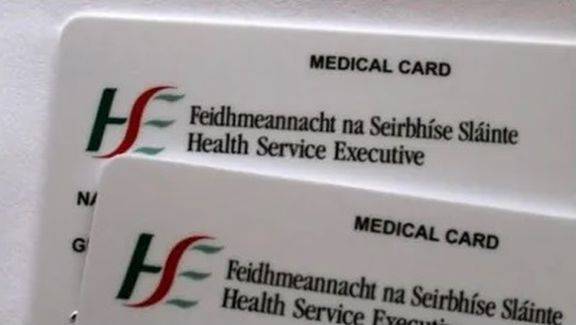
last year 28.44% of the population held a medical card, the data shows. Stock picture
Fewer medical cards were given out last year than the year before despite the cost-of-living crisis, new HSE data shows.
Medical cards are given to people on a means-tested basis to assist with health costs. More than a quarter of people now hold one.
Last year for the third year in a row fewer medical cards were held than previously. This came to 1.552m compared to 1.56m in 2024 and 1.611m in 2023.
So last year 28.44% of the population held a medical card, the data shows.
The HSE also offers discretionary medical cards. These are for people on incomes higher than the cut-off for the ordinary cards.
Last year 191,059 were held compared to 116,362 a decade ago.
The Primary Care Reimbursement Service (PCRS) analysis also shows 785,152 GP visit cards held last year. This also reflects a rise in numbers over the last decade.
These are also means-tested except for children under eight, adults aged over 70 and people on carer’s allowance or benefit.
The number of GP visit cards had been expected to rise significantly higher when new income thresholds were introduced two years ago.
Read More
The Irish Medical Organisation previously raised concerns the application process was overly-complex.
These cards give free appointments. They also give access to chronic disease management for type 2 diabetes, asthma, COPD, and heart diseases.
The PCRS data also shows the rising costs of medicines to the HSE budget.
Over 110m prescription items were paid for by the PCRS. This is over 5.52m items more than the year before.
Prescriptions for medical card patients came to €1.131m.
There was a noticeable rise in Drug Payment Scheme costs to €239.77m compared to €190.37m the year before.
The free contraception scheme also continued to expand with €22.13m spent on this last year compared to €19.21m the year before.
Payments for specialist high-tech medicines were also up at €1,302m from €1,238m the year before.
Less was spent last year on medical cannabis, opioid substitution and related pharmacy training at €15.35m compared to €16.12m the year before.
In March this year the Government signed a new agreement with the representative body for companies making generic, biosimilar and valued added medicines. These everyday medicines are off-patent.
Medicines for Ireland chairman Donagh O'Leary is also managing director of Clonmel Healthcare Ireland.
This sector can, he said, help ensure “high-volume, low-cost medicines remain accessible and affordable for patients, while also delivering significant savings for the State”.
He said on Tuesday: “These savings can help create capacity to reinvest across the health service, including in new and innovative medicines and treatments for patients.”
It recently signed a new Framework Agreement with the state to open up further access to these medicines.
“It has the potential to generate up to €1.4bn in value for reinvestment in the Irish healthcare system,” he said.
- Niamh Griffin, Health Correspondent
CONNECT WITH US TODAY



Be the first to know the latest news and updates