More than 80% of Europe experienced strong heat stress during summer 2026

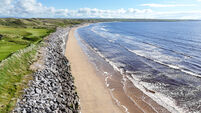
A total of 80% of Europe experienced at least 'strong' heat stress, corresponding to feels-like temperatures of 32C to 38C. This included parts of Ireland. File picture: Denis Minihane.
More than half of Europe experienced “very strong” heat stress during summer 2026, with parts of Ireland among the areas affected, according to new data.
The latest Copernicus report from the European Centre for Medium-Range Weather Forecasts (ECMWF) found that “persistent and exceptional heat across Europe” made it the continent’s third-warmest summer on record and the warmest on record for western Europe.
By the end of summer, 52% of Europe had experienced “very strong” heat stress, corresponding to feels-like temperatures of 38C to 46C.
A total of 80% of Europe experienced at least “strong” heat stress, corresponding to feels-like temperatures of 32C to 38C. This included parts of Ireland.
“Summer-like conditions arrived unusually early in parts of the continent, as the first major heatwave hit large parts of western Europe in late May with exceptionally warm conditions persisting throughout the summer,” the report said.
Read More
Across western Europe, “strong” heat stress occurred on an average of 41 days, five more than the previous record set in 2003.
The number of days with “very strong” heat stress reached 13, also a new record.
Western Europe recorded an average temperature of 21.7C, which was 2.5C above the 1991-2020 average and surpassed the previous record set in 2003.
The report said the “persistence and geographical extent of the heat were also remarkable”.
There were 17 days during summer 2026 when at least 60% of western Europe experienced temperatures above 30C, compared with 11 days in 2003 and seven in 2025.
Persistent dry conditions and repeated heatwaves contributed to an “exceptionally active wildfire season”, according to the report.
The area burned by wildfires across the EU by September 2 was almost twice the 2006-2025 average for that time of year, with particularly extensive wildfire activity in Spain and France.
The report said emissions from wildfires were among the 10 highest recorded since 2003, exposing millions of people to “dangerous levels of air pollution”.
Rivers across Europe also experienced record or near-record low flows, particularly the Rhine, Danube and Seine.
The low levels caused “severe disruption for multiple industries”, affecting supply chains, irrigation, nuclear reactor cooling, hydropower generation and freshwater availability.
The report said the disruption highlighted the “close link between climate change and pertinent geopolitical challenges such as energy security”.
Strategic Lead for Climate at the ECMWF, Samantha Burgess, said the consequences of the summer “extended far beyond temperature records, affecting water availability, energy systems, transport, ecosystems and human health”.


CLIMATE & SUSTAINABILITY HUB
CONNECT WITH US TODAY



Be the first to know the latest news and updates