People with disabilities face 'unfair, unjust and largely unnecessary' barriers to dental care, expert says
'Oral disease is largely preventable, yet many people with disabilities cannot find dentists trained and equipped to meet their needs.'
Barriers to dental care facing people with disabilities are “unfair, unjust and largely unnecessary”, the dean of Dublin Dental University Hospital has warned.
Professor Alison Dougall was speaking as a global conference for dentists working with patients who have special needs opens at Trinity College Dublin on Tuesday organised by the Irish Society for Disability and Oral Health and others.
“The poor oral health we see in people with disabilities is unjust, unfair and largely unnecessary,” Prof. Dougall said.
“Many could be treated in general dental practice, but because they cannot access basic treatment or preventive care, their condition often deteriorates until they require emergency treatment, sometimes under general anaesthetic.”
Dentists have frequently highlighted the limited access to general anaesthetic here especially for children with disabilities who are in need of support during dental care.
Prof. Dougall is dean of dental affairs at Dublin Dental University Hospital and head of school of dental science at Trinity College Dublin.
Read More
“Ireland’s six-year-old oral health policy promised so much for people with disabilities, but it has still not been operationalised,” she said.
Prof. Dougall called on the HSE, department of health, educators and others to work together, saying the crisis has reached “a watershed moment” now.
“People with an intellectual disability are twice as likely as other members of the public to lose all their teeth by the age of 40, and very rarely have dentures to allow them to eat or maintain their appearance and dignity,” she said.
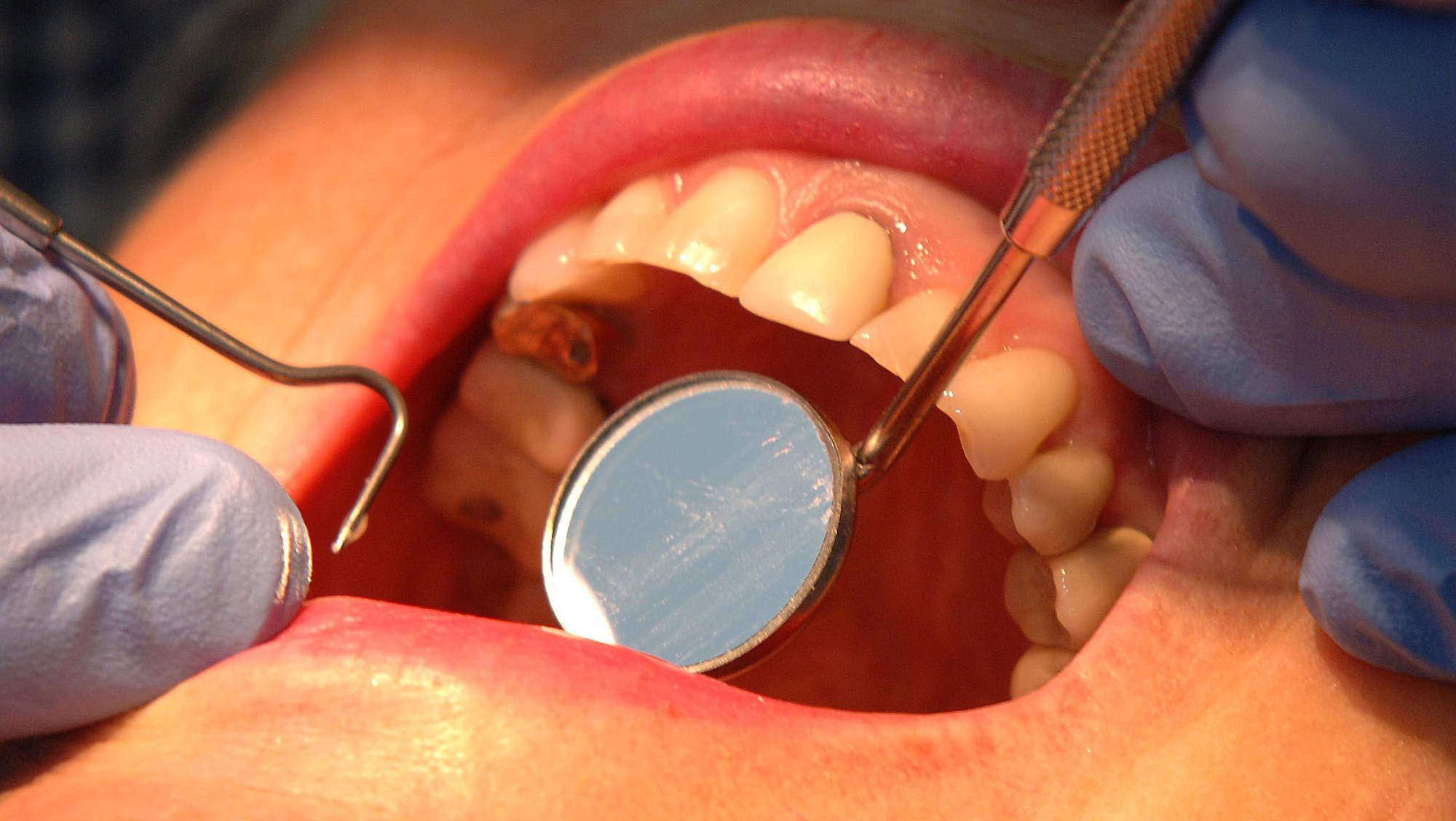
“Oral disease is largely preventable, yet many people with disabilities cannot find dentists trained and equipped to meet their needs.”
She estimated waiting times running into years for care, including for vital procedures such as adapted surgeries, sensory-friendly environments, sedation or general anaesthetic.
“The result is pain, infection and teeth being extracted when they might otherwise have been saved. That is simply unacceptable,” she said.
She welcomed the focus this week on oral health but called for action on gaps in care. “People with disabilities need good preventive care, early treatment and dental teams able to meet their needs," she said.
Carolyn Akintola lives with Ehlers-Danlos Syndrome and uses a wheelchair, among other challenges. She is an advocate with the Disability Federation of Ireland.
She attends the Dublin dental school as a patient, describing it as a rare service with the skills and time to support patients with disabilities offering "the greatest of courtesy, kindness, professionalism and empathy”.
She said: “I dream of such services being available, affordable, and accessible to all disabled people wherever they live.”
The International Association for Disability and Oral Health conference is at Trinity College Dublin.
CONNECT WITH US TODAY



Be the first to know the latest news and updates