People with disabilities endure financial abuse 'from a couple of euro to almost €900k'
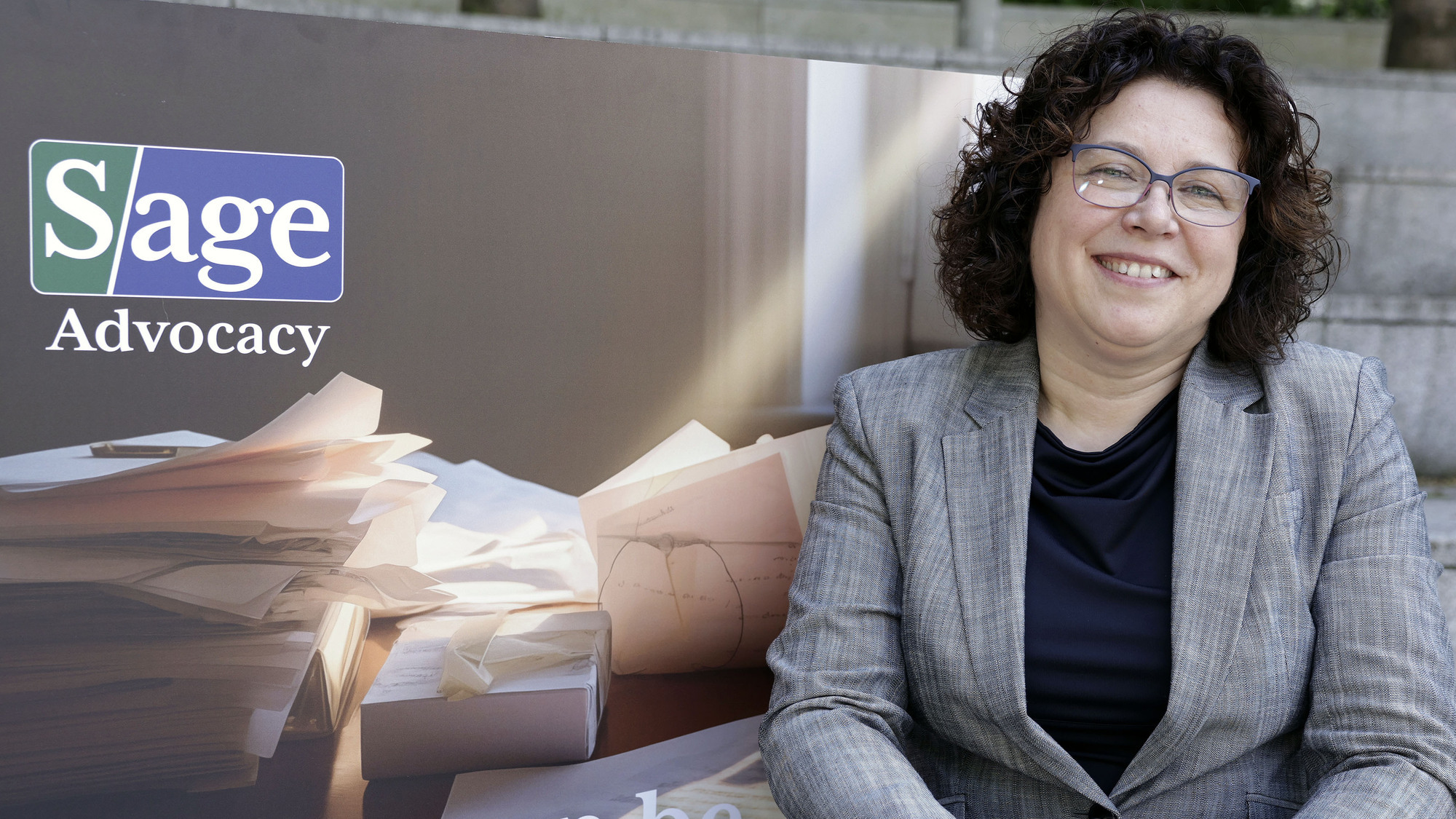
Sage Advocacy chief executive Bibiana Savin (pictured) told the Oireachtas Disability Committee that an independent safeguarding body with a remit that includes the financial sector must be established. File picture: Conor Ó Mearáin
People with disabilities have been subjected to financial abuse “starting from a couple of euro to almost €900,000”, an Oireachtas committee has heard.
Sage Advocacy chief executive Bibiana Savin told the Oireachtas Disability Committee that an independent safeguarding body with a remit that includes the financial sector must be established, while supports must also be given to help people with disabilities navigate financial services.
“Financial abuse must be named clearly,” she said.
"It is the misuse, exploitation, or theft of a person's money, property, or assets. It can be subtle, and very often the person at risk knows and trusts the person causing the harm.
“It may be hidden behind dependency, family conflict, institutional silence, or assumptions about vulnerability. It is especially difficult to challenge when the person causing concern is also the person relied upon for care, transport, housing, communication, or emotional support.”
Last year, Sage Advocacy dealt with 9,000 incoming calls and 3,700 referrals. Its advocates closed over 1,400 cases which had a financial component, the committee heard.
Ms Savin said there is guidance in place for financial services on how to deal with and engage with people who require additional supports to stay in control and manage their finance.
This is not enough if it does not change what happens “at the counter, on the phone, online, in a hospital ward, in a nursing home or in a person’s kitchen,” she said.
“Financial exclusion is not abstract,” Ms Savin said.
“It is the person who cannot get to the bank branch, cannot use digital banking, cannot pass telephone security checks because of hearing, communication, or cognitive difficulties, or cannot access their own cash while in hospital or residential care.
Fielding questions from Social Democrat TD for East Cork Liam Quaide, Ms Savin said her organisation was grateful to recently receive additional funding to provide its services.
“But the demand is constantly growing, so we do unfortunately have some on a waiting list at the moment,” she said. “We had 45 advocates and another seven information and support advocacy coordinators. It’s not enough. We need more.”
Ms Savin added their core message was accessible, non-digital, and supported routes to financial services and public payments must be maintained as core services, not exceptions.
Also addressing the committee was the Banking and Payments Federation Ireland, whose head of legal and regulatory Bernice Evoy outlined “extensive work” undertaken to support vulnerable customers.
“In practice, this includes providing training on the identification of red flags, recognising that financial institutions are often the first line of defence, particularly if a consumer may not be aware that she or he is being financially abused,” she said.
She also pointed to specialist supports for services such as sign language interpretation, and dedicated helplines for financial abuse, bereavement and arrears.
Ms Evoy added that an independent agency with oversight would be welcome.


CONNECT WITH US TODAY



Be the first to know the latest news and updates