'Narrowing' difference between cost of fuel and charging electric vehicles may 'undermine public confidence'
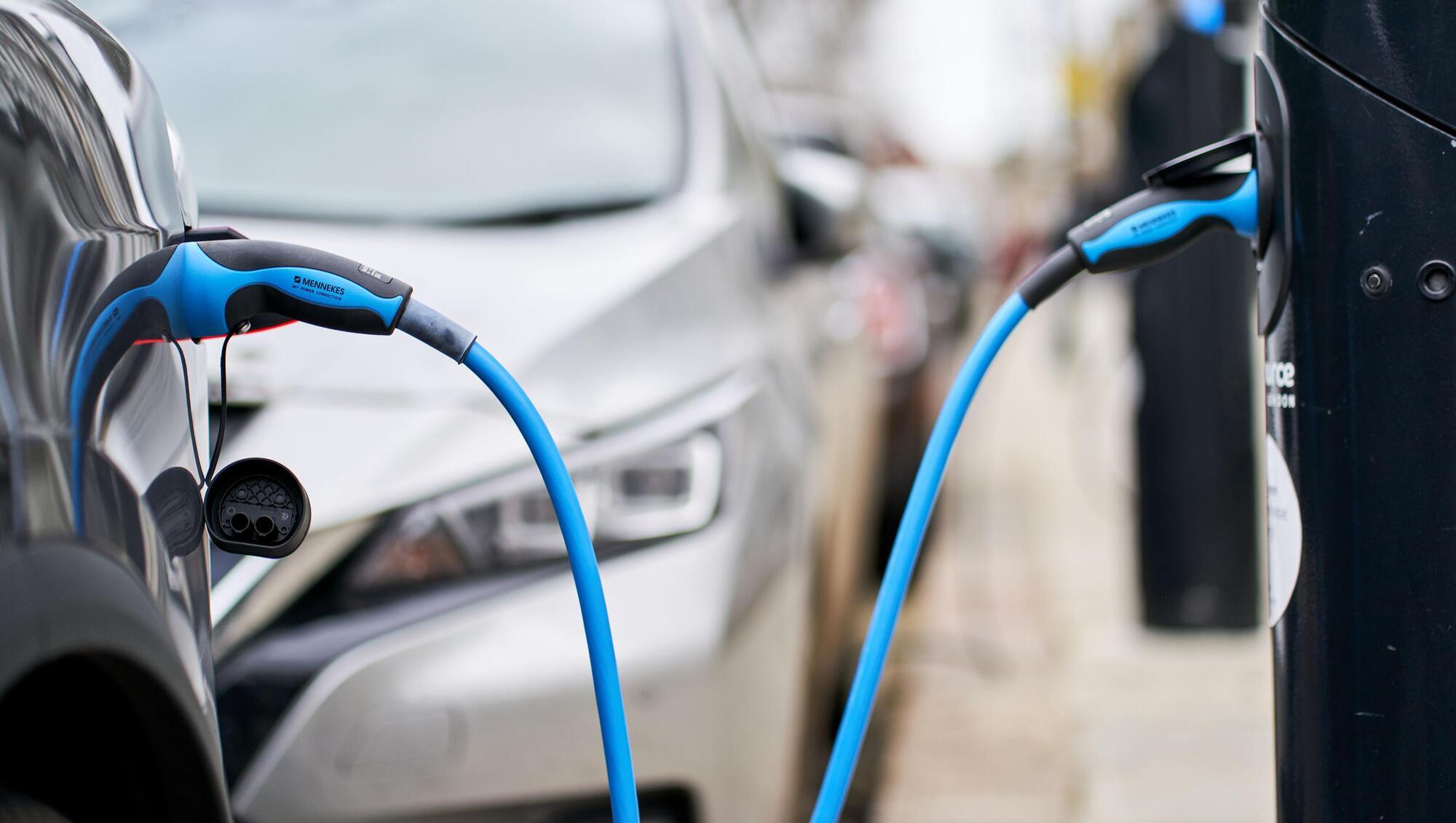
The warnings were included in Ireland's Electrification Roadmap, launched by minister Darragh O'Brien at the COP31 climate conference, which looked at how electricity is used in Ireland and how to increase its usage for heating, transport vehicles and energy generation. File picture: John Walton/PA
The "narrowing" cost between charging e-vehicles and refuelling petrol or diesel cars risks undermining public confidence, a report has warned.
It comes after the ESB increased its public charging prices for the second time this year, with costs increasing for both pay-as-you-go and app users; while Energia’s electric vehicles (EVs) home charging rates also increased this autumn.
Other risks to electrification include "fragmented" activity, "weakening" prioritisation, and the pace of electrification infrastructure delivery not keeping up with growing demand.
The warnings were included in Ireland's Electrification Roadmap, launched by minister Darragh O'Brien at the COP31 climate conference, which looked at how electricity is used in Ireland and how to increase its usage for heating, transport vehicles and energy generation.
"The cost differential between public EV charging and conventional fuels is narrowing, particularly for consumers without access to home charging," it warned.
"This risks undermining consumer confidence and highlights the importance of appropriate tariff structures, reliable and affordable charging options, and a positive user experience."
Read More
The Electrification Roadmap said there were 26 "detailed risks" to Ireland's electrification, including grid and security constraints, planning, customer confidence and uptake from industry and agriculture.
Under the consumer confidence heading, the report noted that "electric solutions are not sufficiently attractive, affordable, simple or trusted for households, businesses and farms, slowing uptake even where technologies and supports exist".
Rising public charging costs and the complexity of charging EVs in multi-unit developments were also among the "recurring" challenges named during stakeholder engagements, it said, while noting that charging infrastructure for heavy-duty vehicles remains "at an earlier stage of development".
The report said Ireland's transport sector, the largest for energy demand, is "heavily dependent" on fossil fuels and "overwhelmingly dominated" by private vehicles, which make up 78% of all licensed vehicles on Irish roads.
In order to encourage the take up of electric vehicles from early adopters to the average consumer and businesses, it said the focus should shift from introducing new schemes to addressing "practical barriers".
On energy generation, the report notes that onshore wind remains the "backbone" of Ireland’s renewable electricity system, providing 5GW in 2025, compared to around 2.5GW from solar, while offshore wind is expected to become "increasingly important" in the next decade.
It said EirGrid and ESB Networks "must plan for growing" demand while enabling renewable generation and new customer connections, noting the need for quick and more transparent connections, and better use of existing grid assets.
While Ireland's electrification levels are similar to the EU average, at around 23% of final energy use, it is behind when it comes to lowering its greenhouse gas emissions; while the bloc is on track to halve emissions by 2030, O'Brien has admitted that Ireland will miss that same target.
CONNECT WITH US TODAY



Be the first to know the latest news and updates