Referral of young people with suicidal ideation to Camhs 'generally ineffective', watchdog says
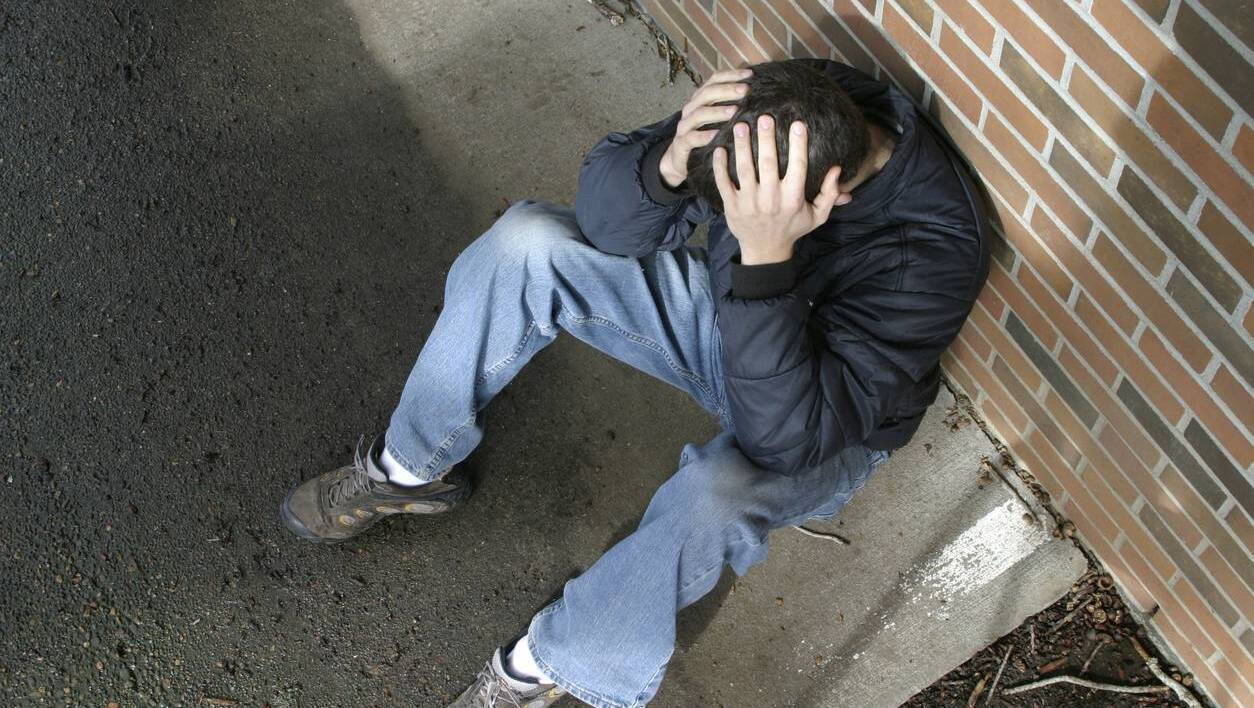
'It appears to be the case that if a young person who self-harms is admitted to hospital, they may be referred to Camhs but subsequently discharged from that service because they are not deemed to be mentally ill.' File picture
The referral of young people with suicidal ideation to Child and Adolescent Mental Health Services (Camhs) continues to be "generally ineffective", according to the National Review Panel.
The national body tasked with investigating child deaths and serious incidents in Ireland's child protection system was commenting in its annual report.
In 2025, the panel was notified about the deaths of 23 children and young people in aftercare or known to Tusla, an increase of four when compared to 2024.
Of the 23 deaths notified in 2025, three were by homicide, four by suicide, three were accidental, and five died of natural causes.
The causes of eight deaths were unknown, in cases where the coroner or autopsy had not reached a conclusion as to cause of death.
None of the children or young people whose deaths were notified in 2025 was in care, but all were known to Tusla services. Four of these young people were in receipt of aftercare services, and 19 were known to Tusla services but living in the community.
Read More
Since its establishment in 2010, the National Review Panel has been notified of the deaths of 357 children and young people. A total of 78 young people whose deaths were notified to the panel over the past 15 years died from suicide, representing nearly a quarter of all notified deaths.
Many had been referred to Camhs and some had received a consistent service, the report noted.
It added: "It appears to be the case that if a young person who self-harms is admitted to hospital, they may be referred to Camhs but subsequently discharged from that service because they are not deemed to be mentally ill.
"Notwithstanding the variability of Camhs services, some of which are more responsive than others, it is clear that referral of young people with suicidal ideation to Camhs continues to be generally ineffective."
Alongside its annual report, the National Review Panel also published four individual reports relating to children and young people who died in the care of or known to Tusla services in recent years. Named Rosa, Barry, Thomas and Shannon, their deaths involved homicide, accidental death and suicide.
Rosa, who was two years old, died following an assault which was the subject of a criminal investigation where she then lived. She had been known to Tusla since birth and was listed on the Child Protection Notification System (CPNS). Her family moved jurisdiction, the report notes, and the inter-jurisdictional protocol was "not understood or followed" by either area, resulting in a five-month period where there was no substantive social work service.
"It cannot be concluded that this resulted in any harm to Rosa, however, it is clearly neither advisable nor in keeping with good practice standards for a child on the CPNS to be without statutory oversight for that period of time."
Dr Helen Buckley, chairperson of the National Review Panel, said every single notification to the panel "represents a profound tragedy and a devastating loss".
There remain "critical areas where inter-agency coordination, early intervention, and risk assessment must be strengthened", she added.
CONNECT WITH US TODAY



Be the first to know the latest news and updates