Mother and baby home survivor question records access
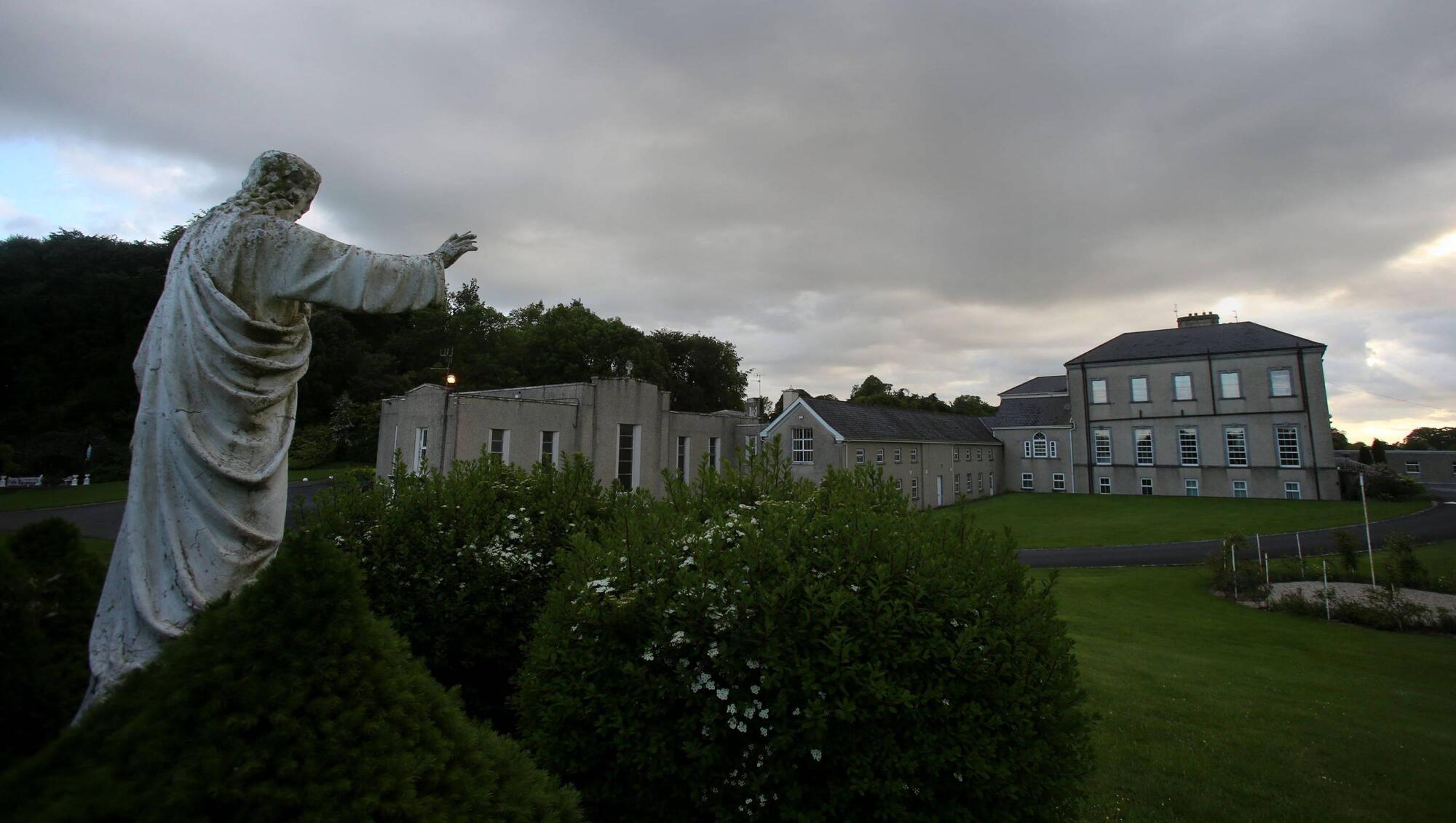
Sean Ross Abbey in Roscrea, Tipperary.
A mother and baby home survivor has written to the Taoiseach seeking answers about Government support for the "preservation and digitisation of Vatican archives", while many records relating to the institutions remain subject to access restrictions.
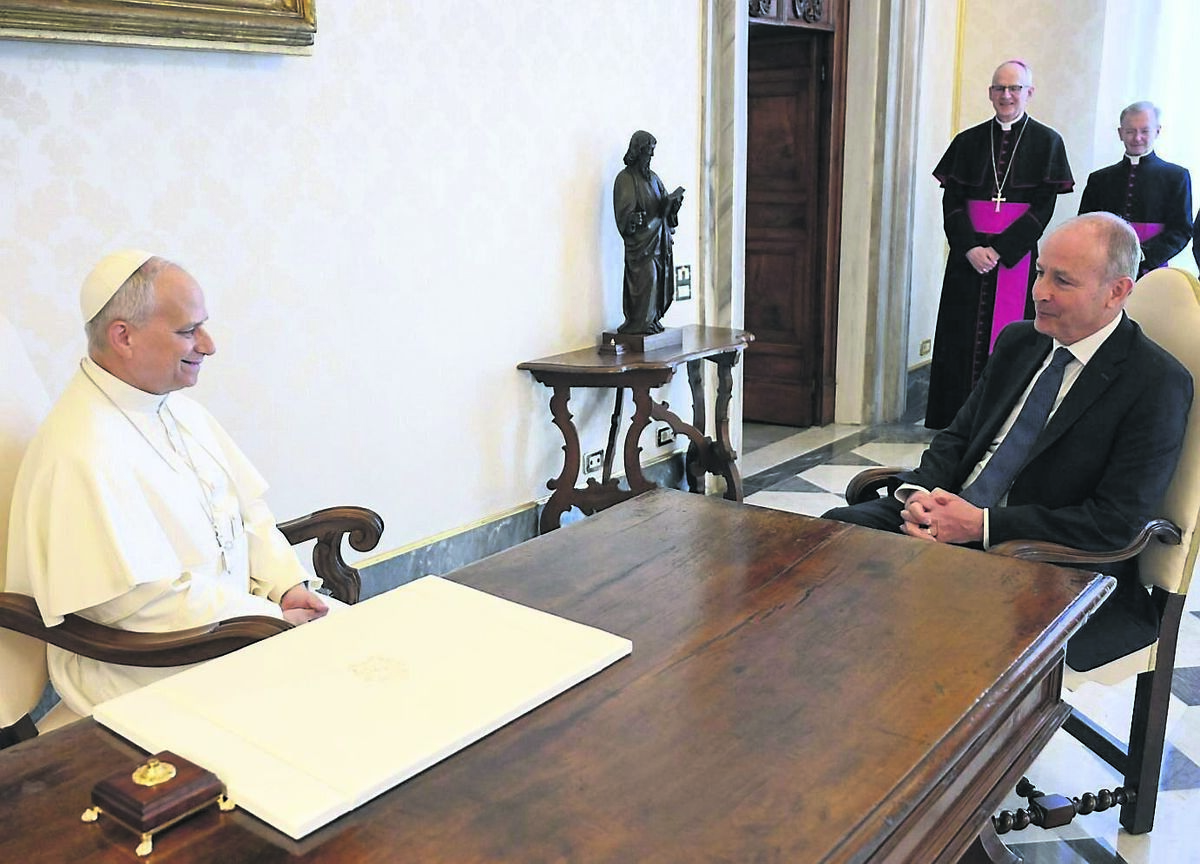
Ann Connolly, who was born in Sean Ross Abbey, wrote to Micheál Martin following his visit to the Vatican on May 25.
During the visit, Mr Martin and Pope Leo spoke about human dignity, human rights, the experiences of the poor and marginalised, the deep pain and trauma suffered by survivors, and the responsibility of religious orders to confront the legacy of the past.
In her correspondence, Ms Connolly said she had received no response to questions she raised regarding Government involvement in the Vatican archive project.
Among the issues highlighted was the nature of Government support for the preservation, cataloguing, and digitisation of Vatican records.
Ms Connolly said she had sought clarification on whether public funding was being provided, which government department was responsible for the initiative, the amount of funding involved, and what records relating to Ireland were included.
She also asked whether survivors and their families would have access to records relevant to mother and baby homes and historical adoption practices.
Ms Connolly said she found it difficult to reconcile government support for preserving and improving access to Vatican archives with the continued restrictions on records relating to mother and baby homes.
She told the : "If records are important enough to preserve, surely they should also be important enough to be accessible to the people whose lives, identities and histories they document."
She also argued that many of those affected by the controversial homes may not live to see the release of records currently subject to lengthy access restrictions, given their advanced age.
"Most survivors are already elderly. Many mothers are elderly. By the time some of these records are released, a great number of the people whose lives they concern may no longer be alive to see them," she said.
Ms Connolly questioned how the preservation of records serves survivors if those most directly affected continue to face barriers in accessing information about their own lives and families.
She also expressed disappointment that, despite public commitments regarding survivors' dignity, rights and enduring trauma, she had not received a reply to her correspondence.
The issue of access to historical records remains a significant concern for many mother and baby home survivors and adopted persons seeking information about their identities, family connections and personal histories.
There was no comment available from the Department of the Taoiseach.
CONNECT WITH US TODAY



Be the first to know the latest news and updates