Children will use 'workarounds' to access social media if age restriction is introduced, experts warn
Experts agree an outright social media ban for under-16s would not work.
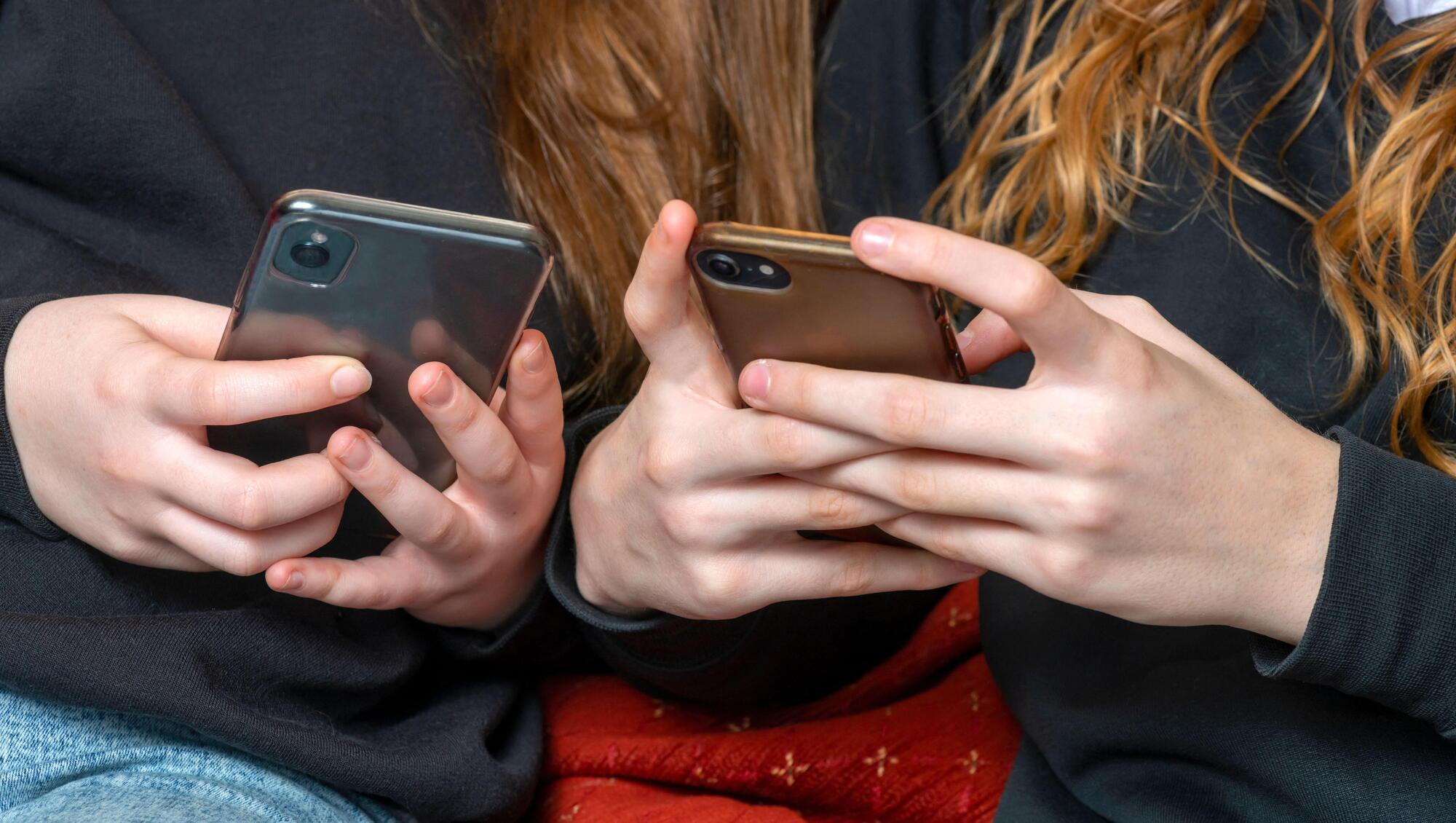
Children will change their date of birth, set up fake profiles or use their parents/older siblings PPS number to access social media if an age restriction is introduced, experts have warned.
The Government has said it plans to bring age-verification for social media to cabinet next month after Britain announced an outright ban on tech apps for under-16s on Monday.
It had previously signalled the system, introduced for certain websites, would be checked against an individual’s PPSN number.
Senior lecturer of business information systems at UCC Stephen McCarthy said there “will always be workarounds, unfortunately”, and believes it will be the main challenge.
Read More
He added children unable to access social media, which is a main source of communication for them, would look for workarounds.
“It is very hard to control, and maybe social media companies will then put the responsibility back on parents,” Mr McCarthy told the .
Associate professor in clinical psychology at the University of Limerick Dr Ruth Melia agreed an outright ban would not work and that has been quite visible in Australia after it was introduced.
“The Australian experiment hasn’t worked, and very, very quickly, young people were able to get past the age verification processes and/or were driven into less safe or less regulated online spaces,” she said.
“A ban for under 16-year-olds means there is no onus on that social media platform to ensure that their content is safe and suitable for those people.
“In terms of all the moderatorship, all of the kind of content checking would mean that there is no responsibility on those platforms to check or monitor or ensure that the content is safe. It places all of the responsibility on [children and parents]. That is quite concerning,” Dr Melia added.
The professor said the other piece, which has been “brought up and made very clearly is that young people will seek out connection. That is a really important part of their social development".
“If you are not also funding things like youth spaces, youth cafes, safe and accessible green and blue space, if you do not have access because of costs or travel involved, to get to these places where you can connect with your peers, then it stands to reason that you’re going to also try to connect online or use whatever tools are available to you, and that's developmentally extremely appropriate,” Dr Melia added.
CyberSafeKids Ireland said while it welcomed the ambition shown by British prime minister Keir Starmer, the measures were “still not enough to adequately protect children".
“The online world consists of thousands of apps, games, and social media platforms, many of them effectively unregulated, many of them actively competing for children’s attention," it said.
“Simply designating a shortlist of mainstream platforms, however well-intentioned, creates a false sense of security for parents and will not be sufficient to make the online world safer for children.
“Blanket bans do not solve the fact that riskier unregulated alternatives will continue to exist and attract children,” it added.
CONNECT WITH US TODAY



Be the first to know the latest news and updates