80% of Kerry community addiction treatment programme participants stayed abstinent from drink and drugs
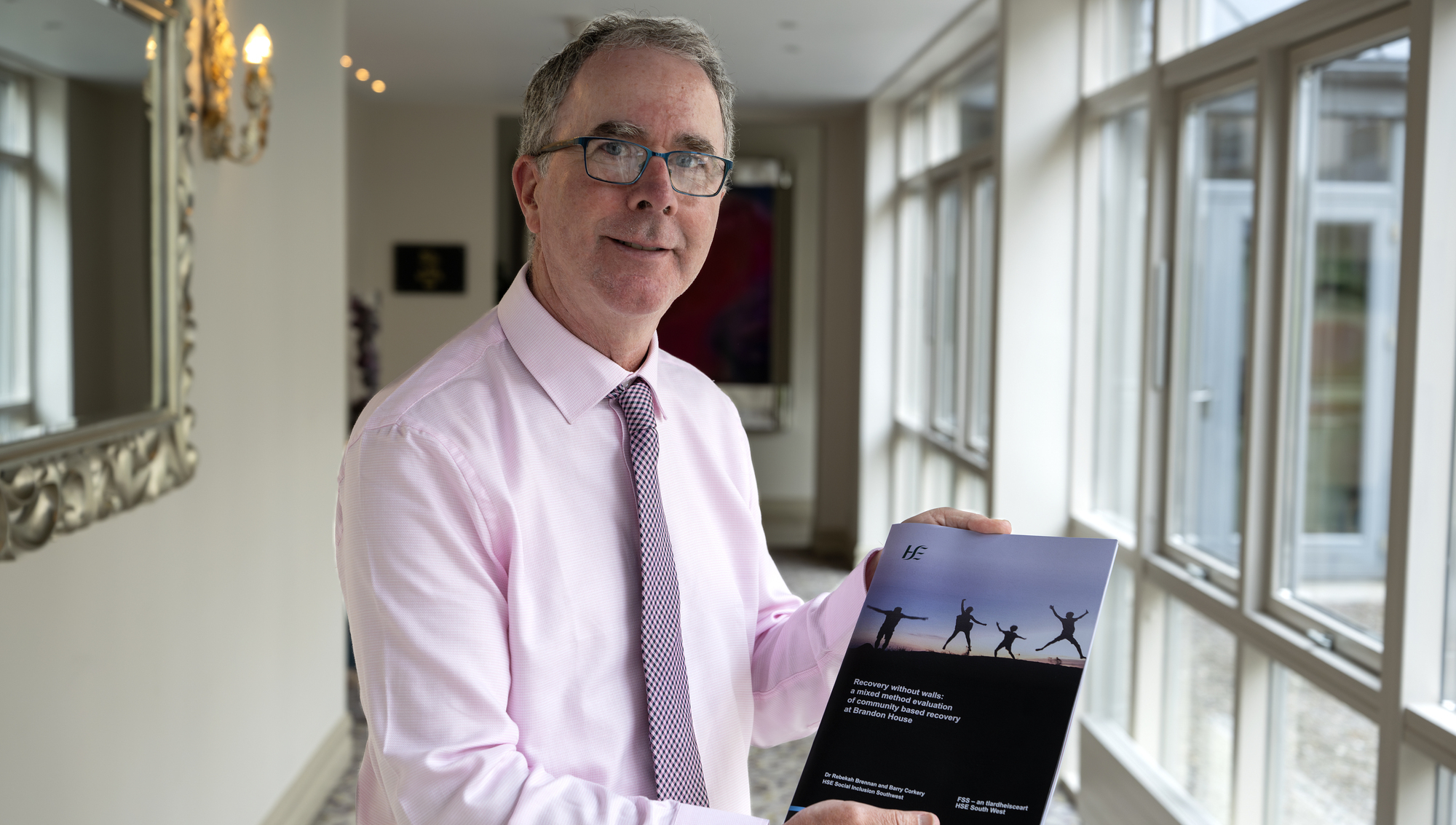
HSE South West general manager of social inclusion David Lane holding a copy of 'Recover without Walls' Participant described the group space in treatment as “safe, non-judgmental, and manageable”. Picture: Domnick Walsh/Eye Focus

HSE South West general manager of social inclusion David Lane holding a copy of 'Recover without Walls' Participant described the group space in treatment as “safe, non-judgmental, and manageable”. Picture: Domnick Walsh/Eye Focus

Eight out of 10 people who stuck with a community addiction treatment programme in Kerry for a year were off alcohol and drugs, according to an evaluation report.

Participants of the Adult Recovery Group (ARG), at the Brandon House Treatment Centre in Tralee, said the HSE programme being located in the community where they lived allowed recovery to be “integrated into daily life”.

The evaluation, conducted by Rebekah Brennan and Barry Corkery, attached to HSE Social Inclusion Southwest, said that 62 people started the programme.

Of these, 13 discharged themselves soon after, while 47 stayed with it at a six-month evaluation point and at 12-months.

Based on the 47 people who stayed with ARG for the 12 months, the evaluation found that 79% (37 people) were abstinent from both alcohol and drugs after the year.

The report, entitled Recovery Without Walls, said these findings suggested that the ARG model provided “an effective community-based route into abstinence for many service users”.

Two-thirds of the full-year participants were male, and the rest were female, with their ages ranging from 22 to 75. Almost two-thirds of participants said they had engaged in previous treatment, described as either some form of addiction treatment or attending fellowship groups.

The study found that participants moved from predominantly heavy drinking at the start to abstinence or very low-level use after a year.

Patterns of drug use appeared to shift towards abstinence over time among those who completed follow-up after a year.

Participants' experience 

The participants reported improved emotional well-being, mental health, and how they managed communication and related difficulties.

They also reported increased positivity around education and work, as well as “gradual improvements” in their family and relationship circumstances and in their social lives.

Some 30 of the 47 people took part in one-to-one interviews. Participants described a wide range of entry points into treatment, including formal referrals from social work, child protection services, and GPs, as well as from the criminal justice system.

Others arrived after acute health crises or other personal crises.

The study also spoke to eight professionals working at the centre.

Participants describe the group space as “safe, non-judgmental, and manageable”.

One female participant said: “I shared more of my childhood... and I felt a lot lighter after it.

“That’s freeing, to be able to get it out there, in the right setting, in with the right people… and there’s no judgement.”

Counsellors were described as “knowledgeable, persistent, and willing to challenge as well as comfort”.

Participants highlighted the significance of the programme operating in the community where they were “parenting, working, and socialising” and that they were not in a residential centre away from life.

“They describe residential units as highly contained environments that feel safe, followed by a jarring return to the outside world,” the report said.

More in this section

Lunchtime News

Newsletter

Get a lunch briefing straight to your inbox at noon daily. Also be the first to know with our occasional Breaking News emails.

Cookie Policy Privacy Policy Brand Safety FAQ Help Contact Us Terms and Conditions

© Examiner Echo Group Limited