'My little boy’s life is in the hands of the HSE': Mother makes plea for drug to be approved
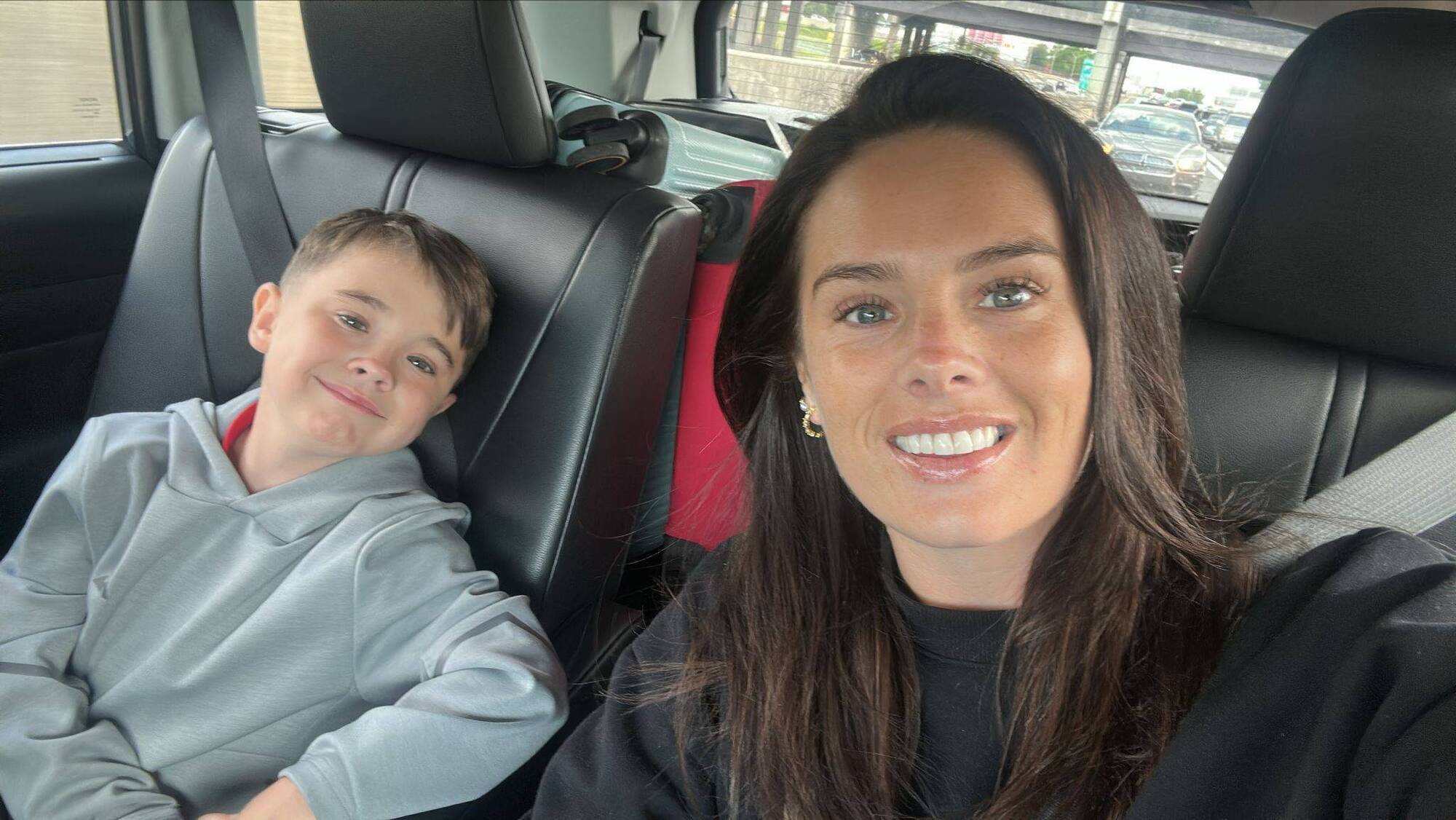
Una Ennis fears her son Archie will end up in a wheelchair without access to Givinostat.
Una Ennis told the that while Archie has made significant progress in recent months following gene therapy that cost €3.2m as part of a clinical trial in the United States, progress could be lost if the drug Givinostat is not approved.
Families hope that it could be discussed at a meeting of the HSE Drugs Group this month.
Archie, from Tallaght, was diagnosed with Duchenne muscular dystrophy (DMD) in December 2024. The condition, a severe progressive genetic disorder that weakens muscles, affects around 100 children in Ireland.
Ms Ennis and her husband Kenneth fundraised money to get the €3.2m gene therapy for Archie. The Ennis family moved to the US in January and stayed there for four months as Archie took part in a clinical trial. They now must return once a month, for three months.
“We wish we could have had it in our own country, to be at home,” Ms Ennis said.
Read More
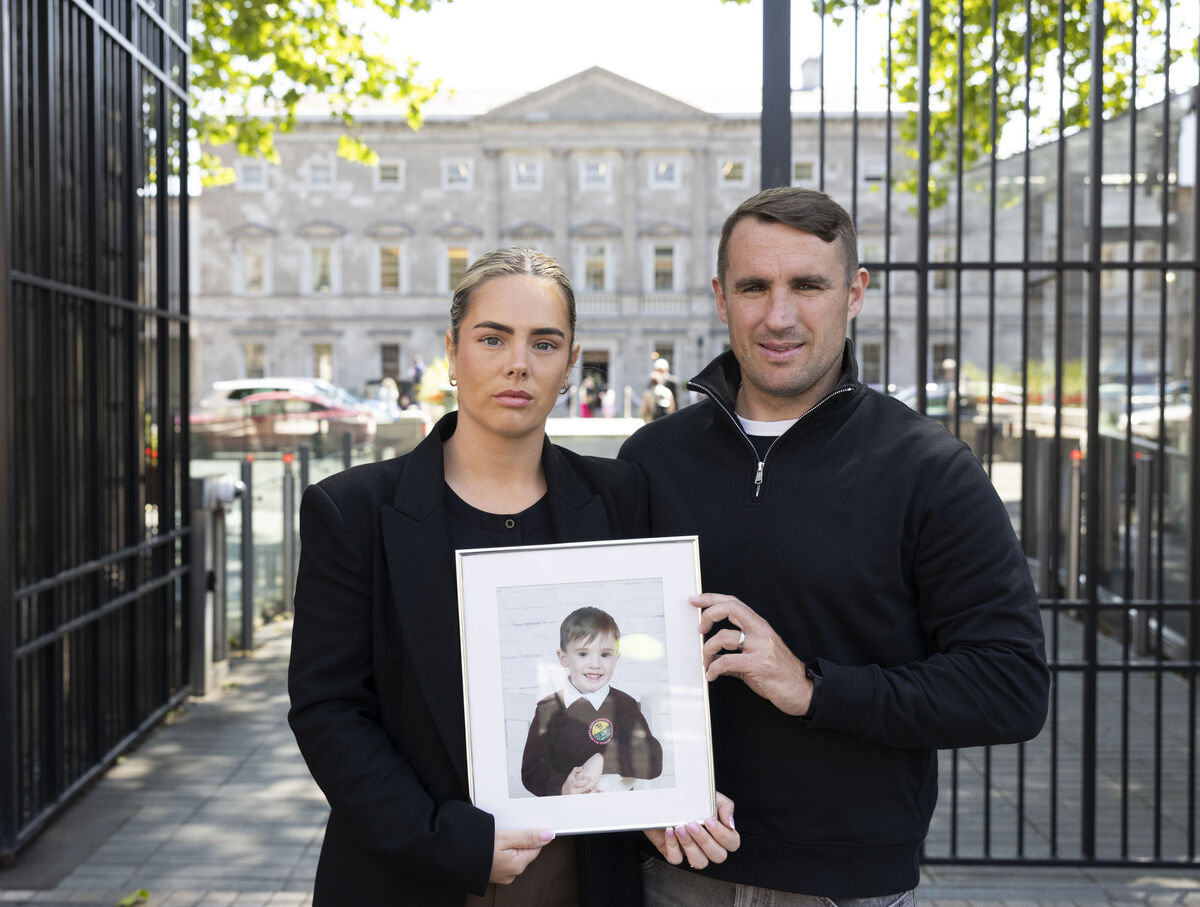
Stairs have become a big obstacle for Archie as his muscles become weaker. Following gene therapy, his worried parents did not initially see results, until one day he “just took off and went up the stairs” with his little sister Maisie.
“Givinostat is a daily medication that Archie will need to keep him strong, to keep him on his feet, and to give him like a normal childhood.
“I’m not naive to the fact that it’s not going to cure him, but it will help him. It will also change the history of Duchenne and give so many families so much hope.”
While the long-term impact of Archie’s clinical trial is unknown, doctors hope it could change the trajectory of the disease.
However, Archie could still end up in a wheelchair if he cannot access Givinostat.
In its assessment of Givinostat, the National Centre for Pharmacoeconomics (NCPE) said it should “not be considered for reimbursement unless cost effectiveness can be improved”.
It has now been referred to the HSE Drugs Group for decision.
Ms Ennis questioned “how any human could even say” the drug is not value for money, as she said the long-term impacts of not treating the condition will be more expensive, as DMD children will need physiotherapy, hydrotherapy, wheelchairs, house adaptations, and longer-term carer requirements.
Archie will need carers by age 16 if he does not start taking Givinostat, she said.
Ms Ennis suggested that the decision-makers are seeing money rather than “sick boys”.
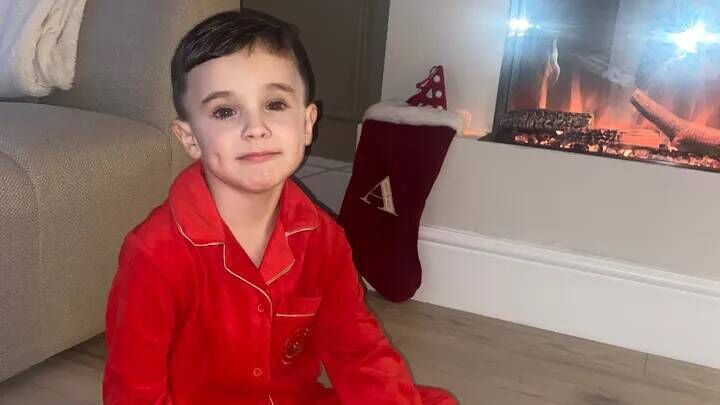
“It is very unfair that my little boy’s life is in the hands of the HSE,” she said.
“It’s indescribable as a parent. I’ve done everything I could to get the gene therapy, and I did, but now this is out of my hands.
“I just hope that they see Archie and not see the cost-effectiveness.”
A spokesperson for the HSE said the Drugs Group meets on the second Tuesday of each month but would not confirm if Givinostat was up for discussion in June as the agendas for these meetings are “not publicly available”.
CONNECT WITH US TODAY



Be the first to know the latest news and updates