Gardaí concerned members are flouting domestic violence order self-report policy
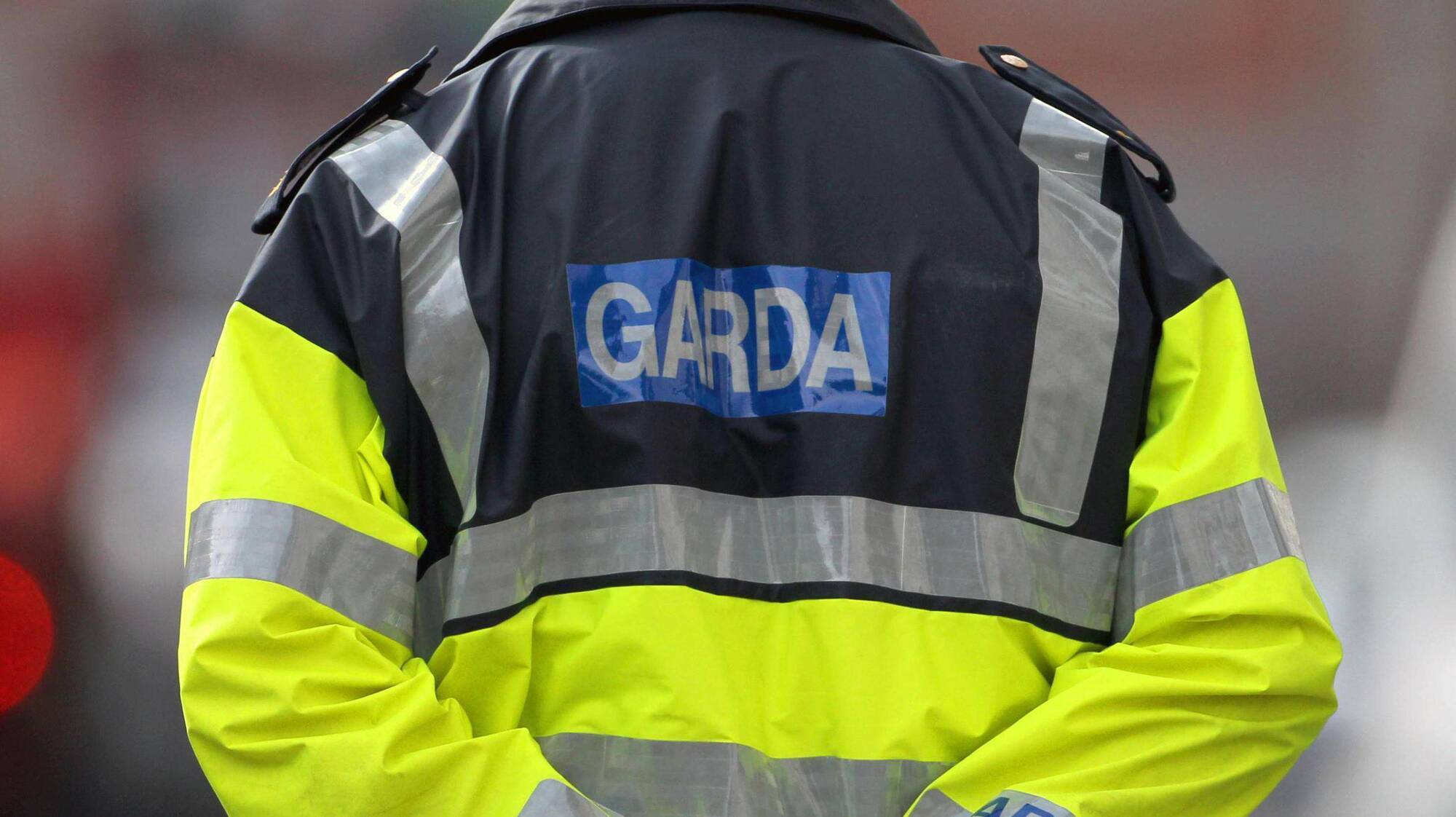
In January 2025, the policy came into effect under which gardaí who are the subject of a domestic violence order are obliged to notify the force. Picture: Stock
Gardaí have revealed that one member of the force who has a domestic violence order against them has allegedly breached the organisation’s domestic abuse policy by failing to notify the organisation.
However, there is concern that there could be other members of the force who have also flouted the policy who are unknown to An Garda Síochána.
In January 2025, the policy came into effect under which gardaí who are the subject of a domestic violence order are obliged to notify the force.
However, on foot of a question by the a garda spokesman said: “Since the introduction of the , An Garda Síochána has become aware of one member who is alleged to have neglected to self-report that they were the respondent of a domestic violence order. No additional information is available.”
Domestic violence orders include safety orders, barring orders, protection orders, and interim barring orders.
Read More
Previously, the garda press office told the that its domestic abuse intervention policy, which was circulated in January 2025, “obligates a member of An Garda Síochána to self-report if they are the respondent of a domestic abuse order. Failure to do so may result in internal conduct proceedings.
“Domestic violence orders only contain limited personal information, the name of the applicant, the name of the respondent, and the domestic address to which the order relates. There is no information contained which would indicate any profession of either the applicant or respondent.
"Even if there was such information, or/if the respondent was otherwise identified as a member of An Garda Síochána, the processing of personal data on the domestic order, including the name of an individual, must be for a lawful purpose.”
Former garda Margaret Loftus, whose former husband Garda Trevor Bolger pleaded guilty to an assault on her in 2012, said that the policy is “no more than appeasement for the people”.
Ms Loftus pointed out that it is impossible for the organisation to know when one of its members is subject to a domestic violence order because of the in-camera rule.
She pointed out that the policy says any garda who fails to disclose “may” be subject to conduct proceedings, adding: “I have a big problem with that. Why would you self-report then? It is so weak and is not a reliable policy in any shape or form.”
In April, the revealed that a recently formed unit within the Office of the Garda Ombudsman, Fiosrú, has begun 12 investigations into gardaí accused of domestic and sexual abuse.
Of these, eight are public complaints and four are referrals from within An Garda Síochána.
The specialist services unit within Fiosrú was put in place following the guilty plea last year by Bolger.
He was given a three-month fully suspended jail sentence in January for assaulting his then wife in October 2012. The 48-year-old pleaded guilty at Dublin Circuit Criminal Court in April last year to assaulting Ms Loftus.
Charges of threats to kill and coercion were dropped following a plea agreement.
Following an internal process to decide on his future within An Garda Síochána, during which he was unpaid suspension, he was due to be dismissed from the organisation last month. However, he was granted a stay on the dismissal by the High Court just hours before the dismissal, pending a judicial review of the Garda Commissioner’s decision.

CONNECT WITH US TODAY



Be the first to know the latest news and updates